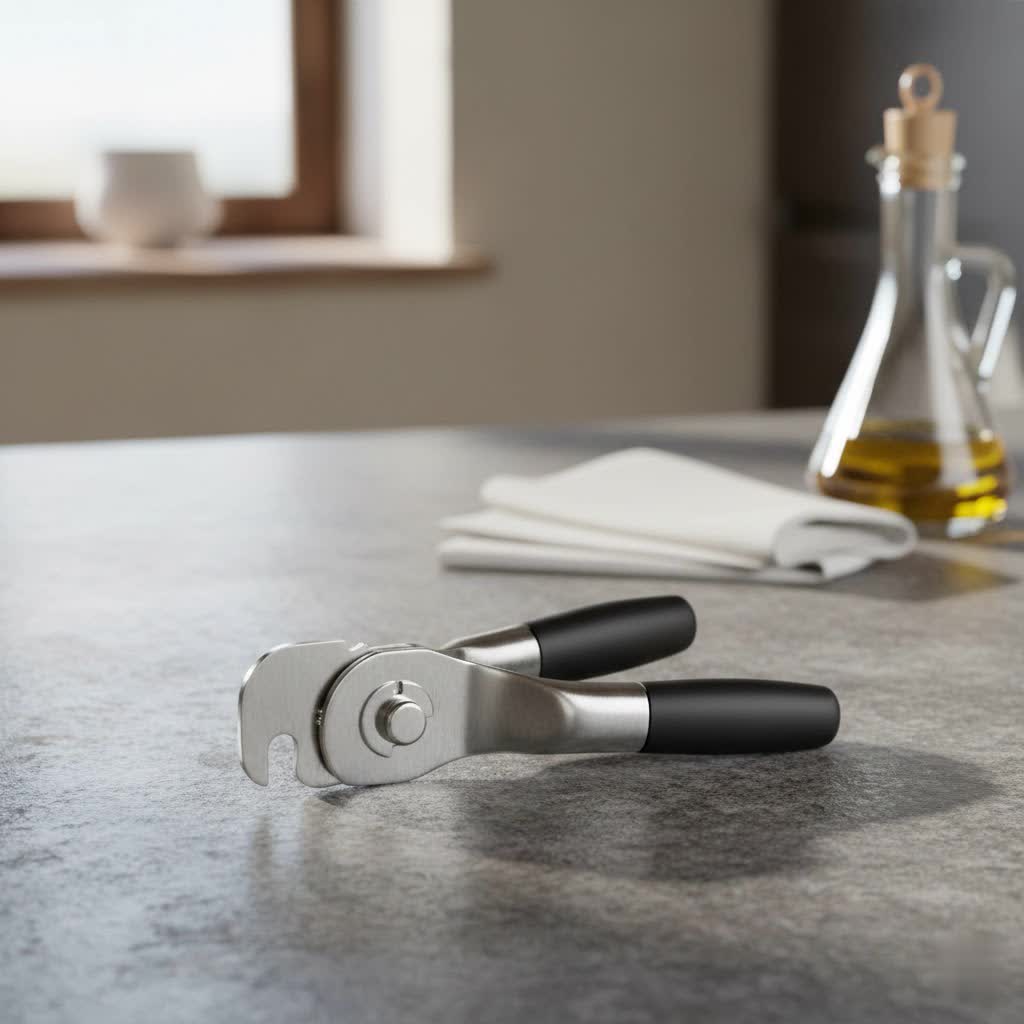
Tired of flimsy can openers that constantly break or struggle with stubborn cans? Perhaps it’s time to explore the world of Japanese Can Openers, a realm where simplicity, durability, and ingenious design converge to offer a superior kitchen tool. Valued for their longevity and efficiency, these openers, particularly the traditional Kankiri style, have been a staple in Japanese households for over 60 years and are gaining global recognition for their robust performance. This guide will delve into what makes these tools exceptional, help you navigate the choices, and ensure you pick the perfect opener for your needs.
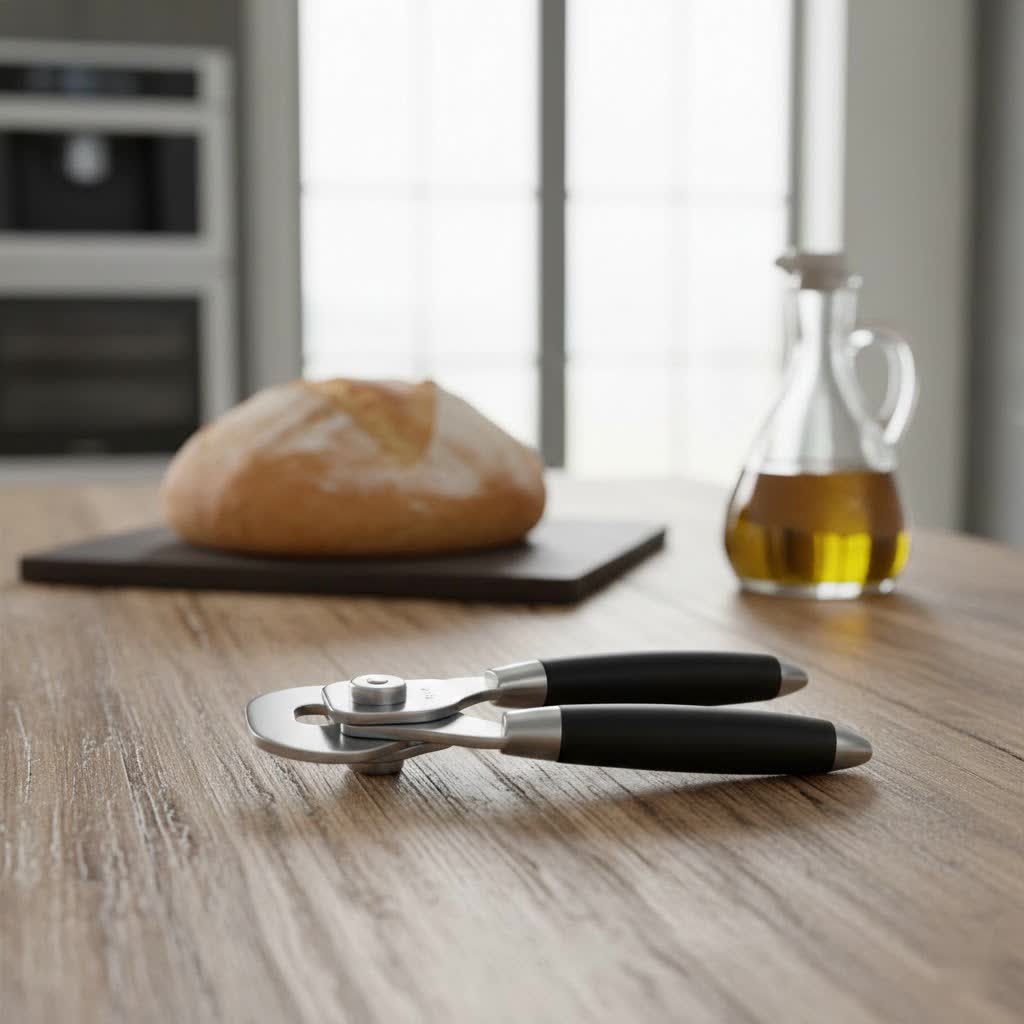
Understanding Japanese Can Openers: The Kankiri Style
Japanese can openers are often revered for their minimalist yet highly effective design. Unlike many modern counterparts, traditional Japanese models, famously known as the Kankiri (or Ganji Kankiri), embrace a no-frills philosophy that prioritizes function and longevity.
What Makes Japanese Can Openers Unique?
Bảng trống.At the heart of their uniqueness lies the Kankiri’s simple, two-piece construction, typically devoid of complex gears or moving parts. This straightforward design is a testament to Japanese engineering, focusing on creating a tool that is not only highly effective but also incredibly durable and easy to maintain. Crafted from high-quality stainless steel or robust high-carbon steel, these can openers are built to withstand the test of time, often becoming cherished family heirlooms. Their retro appearance belies their modern-day practicality, proving that some designs truly are timeless.
Types of Japanese Can Openers
While the term “Japanese can opener” often conjures images of the classic Kankiri, it’s important to understand this traditional lever-style opener is the predominant and most distinct type associated with Japan.
- Kankiri (Lever-Style/Hook-Style): This is the quintessential Japanese can opener. It features a sturdy handle and a sharp, often wedge-shaped blade. To operate, you hook the opener onto the can’s rim, pierce the lid, and then use a rocking or levering motion to cut around the circumference. This method is incredibly efficient and produces a clean cut. Its compact size makes it exceptionally portable, ideal for camping, picnics, or small kitchens where space is a premium. The lack of intricate mechanisms means fewer points of failure, contributing to its legendary “buy it for life” status. Many Kankiri models also cleverly integrate additional functions, such as a bottle opener or a piercing tool.
Key Factors When Choosing Your Japanese Can Opener
Selecting the right can opener is more than just picking one off the shelf; it’s an investment in a kitchen tool that will serve you faithfully for years. When considering a Japanese can opener, several factors come into play.
-
Material and Durability: The best Japanese can openers are crafted from premium materials like stainless steel or high-carbon steel. These materials ensure superior strength, resistance to rust, and exceptional edge retention. A can opener designed for longevity means you won’t be replacing it frequently, embodying a sustainable approach to kitchen tools. Look for descriptions highlighting robust construction and quality steel.
-
Design Simplicity: One of the greatest strengths of the Kankiri style is its elegant simplicity. Without complicated gears or mechanisms, there are no tight crevices for food particles to get trapped, making it remarkably easy to clean and inherently more hygienic. This straightforward design also contributes to its extraordinary durability, as there are fewer parts that can wear out or break.
-
Multi-functionality: Many traditional Japanese can openers, particularly the Kankiri, offer more than just can-opening capabilities. It’s common for them to include a built-in bottle opener or a pointed tip for piercing holes, adding to their utility in the kitchen or outdoors. This versatile design makes them a smart choice for those who appreciate tools that can perform multiple tasks.
-
Ease of Use & Technique: While the Kankiri is simple in design, mastering its use requires a slightly different technique than the crank-style openers common in Western kitchens. It involves piercing the can lid and then rocking or leveraging the blade around the rim. This method becomes intuitive with a little practice and is often preferred by those who value a precise and clean cut. Don’t be deterred by a slight learning curve; the reward is an efficient and reliable tool.
-
Safety Features: Concerns about sharp edges are natural with any cutting tool. Traditional Kankiri openers typically perform a “top cut,” which means the cut edge is often on the lid itself. While care should always be taken, the clean cut and the method of removal can often make for a manageable edge. Some designs focus on creating a smoother edge as part of their innovation.
Table: Comparing Traditional Kankiri to Western Manual Can Openers
When evaluating can openers, understanding the differences between styles can help inform your decision. Here’s a comparison between the classic Japanese Kankiri and typical Western manual crank can openers:
| Feature | Japanese Kankiri/Ganji Can Opener | Western Crank Can Opener |
|---|---|---|
| Design | Simple, two-piece, no moving parts | More complex, often with gears and a turning knob |
| Operation | Pierce and rock/lever | Clamp can, turn crank to cut |
| Durability | Extremely high, often “buy it for life” quality due to minimal parts | Varies, gears can bind or fail over time |
| Cleaning | Very easy, no crevices for food to stick | Can be challenging due to intricate parts and gears |
| Portability | Excellent, highly compact and lightweight | Varies, generally bulkier and heavier |
| Edge Type | Top-cut (requires care with edges) | Can be side-cut or top-cut; some promise smooth edges |
| Versatility | Often includes bottle opener, piercing tool | Primarily focused on can opening |
Where to Buy Authentic Japanese Can Openers
Finding an authentic Japanese can opener is key to experiencing its renowned quality. You can find them through several reliable avenues:
- Specialty Japanese Kitchenware Stores: Reputable online retailers that specialize in Japanese kitchen tools, such as Korin, are excellent sources for genuine Kankiri can openers. They often carry products directly imported from Japan, ensuring authenticity and quality.
- Reputable Online Marketplaces: Major e-commerce sites can also offer Japanese can openers. When shopping here, always check seller reviews, product descriptions (look for “Made in Japan”), and brand names like Ganji or Prince, which are associated with quality Kankiri openers.
- Physical Stores in Japan: If you have the opportunity to visit Japan, culinary districts like Kappabashi in Tokyo are treasure troves for kitchen tools. Many local hardware or department stores may also carry these traditional openers.
Tips for Using and Maintaining Your Japanese Can Opener
The beauty of a Japanese can opener lies not just in its performance but also in its straightforward care. Proper use and minimal maintenance will ensure it remains a reliable tool for decades.
- Proper Technique: Start by firmly hooking the blade onto the can’s rim. Apply downward pressure to pierce the lid, then rock the opener gently around the circumference of the can, using the can’s rim as a pivot point. With a few rotations, the lid will be cleanly cut.
- Cleaning: After each use, simply rinse your Japanese can opener under running water and wipe it clean with a cloth. Its simple design means there are no hidden nooks for food to accumulate, making cleaning exceptionally quick and easy.
- Storage: Always store your can opener in a dry place. While many are made from stainless steel, ensuring it’s completely dry before storage will prevent any potential rust or corrosion, especially for high-carbon steel models.
- Longevity: Due to their robust construction and lack of moving parts, Japanese can openers require minimal maintenance. There’s no need for oiling or sharpening in most cases; their inherent design ensures long-lasting sharpness and functionality.
> “The Kankiri can opener is a prime example of Japanese design philosophy: elegant in its simplicity, flawless in its execution, and built to last generations.” – Hiroshi Tanaka, Master Chef & Kitchen Tool Artisan
Conclusion
The Japanese can opener, particularly the venerable Kankiri, stands as a testament to the power of thoughtful, functional design. In an age of complex gadgets, its straightforward effectiveness, unparalleled durability, and hygienic simplicity offer a refreshing alternative. By understanding its unique qualities and how to properly use and care for it, you’re not just buying a tool; you’re investing in a piece of culinary heritage that promises to be a reliable companion in your kitchen for years to come. Isn’t it time you experienced the enduring legacy of a truly well-crafted can opener?
Câu Hỏi Thường Gặp
Are Japanese can openers better than electric ones?
Japanese can openers, especially the manual Kankiri style, offer superior durability and simplicity compared to electric models. They require no batteries or electricity, are incredibly easy to clean due to their lack of moving parts, and are highly portable, making them ideal for both home and outdoor use. While electric openers offer push-button convenience, Japanese manual openers excel in reliability and longevity.
Are Japanese can openers safe to use?
When used correctly, Japanese can openers are safe. The primary concern is the sharp edge created on the can lid, which is characteristic of many top-cutting manual openers. With practice, users develop a technique that minimizes risk. Their simple, stable design also means less chance of mechanical failure compared to more complex devices.
How do you use a Kankiri can opener?
To use a Kankiri, hook the small, sharp blade onto the inner rim of the can. Press down firmly to pierce the lid, then use a gentle rocking or leveraging motion to cut along the can’s circumference. Continue this motion, pivoting the opener around the rim, until the lid is fully detached. It takes a little practice but quickly becomes intuitive.
What is a Ganji Kankiri?
“Ganji Kankiri” is a specific and highly regarded brand or style of traditional Japanese can opener. It’s renowned for its robust, simple two-piece design, exceptional durability, and efficient operation. Often made from high-quality steel, Ganji Kankiri openers are celebrated for their longevity and are a popular choice among those seeking a reliable, no-frills can opener.