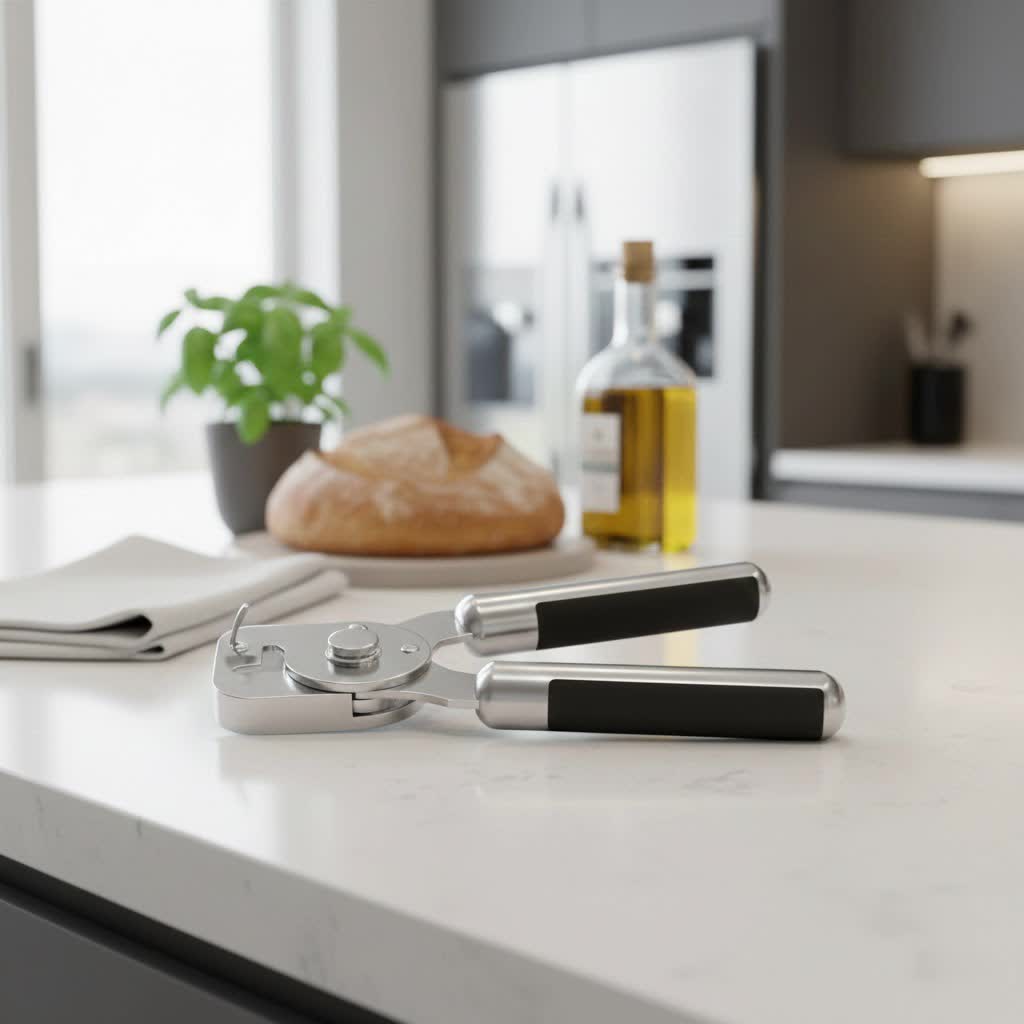
Choosing the best commercial can opener for a professional kitchen involves evaluating daily volume, can sizes, and durability requirements. Commercial can openers are engineered for high-volume, continuous use, handling various can sizes including large #10 cans, and prioritizing speed, efficiency, and robust construction to ensure longevity and consistent performance. Unlike residential models, they are built to withstand rigorous demands, minimizing downtime and maximizing productivity in busy foodservice environments.
Why Commercial Can Openers Are Different
Unlike their residential counterparts, commercial can openers are engineered to withstand the rigorous demands of a professional kitchen. They are built for high volume, continuous use, and the ability to handle various can sizes, including the large #10 cans commonly found in foodservice. These heavy-duty tools prioritize speed, efficiency, and robust construction to ensure longevity and consistent performance, minimizing downtime and maximizing productivity. Safety and hygiene are also critical considerations, with features designed to prevent injuries and facilitate thorough cleaning. For best reviews roundups on this site.
Understanding the Main Types of Commercial Can Openers
The commercial market offers several distinct types of can openers, each suited to different volumes and operational styles. Knowing the strengths of each will help you make an informed decision.
Manual Commercial Can Openers
Manual can openers are the workhorses of many commercial kitchens, prized for their reliability, durability, and lack of reliance on electricity. They operate by punching the lid with a blade and using a crank handle to rotate the can, cutting the top free.
- Light-Duty: Designed for occasional use, typically in smaller operations or for backup.
- Standard-Duty: Capable of handling moderate volumes, generally 2-3 cans per minute or 15-25 cans per day. These are suitable for typical restaurant prep.
- Heavy-Duty: Built for high-volume prep, opening 4-6 cans per minute or up to 50 cans per day. They feature reinforced components, larger construction, and often offer options for permanent mounting (screw-in base) or movable clamp bases. Some advanced heavy-duty models cut along the side wall of the can, eliminating sharp edges and metal shavings. Renowned brands like Edlund and Vollrath offer excellent heavy-duty manual options.
Electric Commercial Can Openers
For kitchens requiring faster operation and reduced physical strain, electric commercial can openers are an excellent choice. These units typically feature a gear mechanism that pulls the can tightly against a blade as it spins, removing the top with the simple pull of a lever or press of a button.
Electric openers are ideal for moderate to high-volume use, capable of opening 4-7 cans per minute and handling 75 to 200 cans per day. They are particularly favored in settings like K-12 schools, colleges, universities, and healthcare facilities due to their easy, often single-hand operation. Many electric models are also designed to accommodate a variety of can sizes, and reputable brands like Edlund offer both single and two-speed options to optimize for different can dimensions.
Crown Punch Commercial Can Openers
|
Our Picks for the Best Can Opener in 2026
As an Amazon Associate I earn from qualifying purchases.
|
||
| Num | Product | Action |
|---|---|---|
| 1 | Zulay Kitchen Heavy Duty Stainless Steel Can Opener Manual with Bottle Opener - Rust Proof Manual Can Opener With Turn Knob & Comfy Soft Grip Handles - Black |

|
| 2 | KitchenAid Classic Multifunction Can Opener and Bottle Opener Easy to Use, Razor Sharp Stainless Steel Cutting Wheel, Soft Ergonomic Handles, Empire Red |
|
| 3 | Good Cook Can Opener, Safe Cut Manual Can Opener, no Sharp Can Edges, Black |
|
| 4 | GORILLA GRIP Heavy Duty Stainless Steel Smooth Edge Manual Can Opener, Soft Comfortable Handle, Large Handheld Turn Knob, Built-In Bottle Openers, US Designed, Holiday Prep Kitchen Essential, Black |
|
| 5 | MARSWELL Hand Crank Can Opener Manual Heavy Duty, Commercial Can Openers with Ergonomic Rubber Coated Extra-Long Handles, Oversized Knob, Large Can Opener for Big Cans, Black |
|
| 6 | Beneno Heavy Duty Hand Can Opener Manual with Magnet, Durable Sharp Carbon Steel Blade Smooth Cutting, Big Effort-Saving Knob & Soft Grip Handle, Multifunctional Kitchen Tool with Bottle Opener, Green |
|
| 7 | Commercial Can Opener, UHIYEE Hand Crank Can Opener Manual Heavy Duty with Comfortable Extra-long Handles, Oversized Knob, Large Handheld Can Open Easy for Big Cans, Black |
|
| 8 | KitchenAid Classic Multifunction Can Opener and Bottle Opener Easy to Use, Razor Sharp Stainless Steel Cutting Wheel, Soft Ergonomic Handles, Pistachio |
|
| 9 | OXO Good Grips Smooth Edge Can Opener |
|
| 10 | Beneno Can Opener, Manual Side Safe Cut Can Opener Smooth Edge with Durable Sharp Blade, Effort-Saving Knob & Comfortable Non-slip Handle, Brown |
|
When it comes to extreme volume and unparalleled speed, crown punch can openers stand in a league of their own. These specialized machines utilize a circular set of blades that are inserted into the can lid, removing the entire top in one swift motion.
Crown punch openers are indispensable for operations that process massive quantities of canned goods, easily opening between 6 to 10 cans per minute and 100 to 3000 cans per day. They are typically configured for standard #10 foodservice cans, but many models can be adjusted for other sizes. Both manual lever-operated and air-powered versions are available, with air-powered models being a desirable choice for the highest-volume applications as they don’t require an electrical connection. Features like magnetic lid removers can further enhance efficiency by simplifying the transfer of lids.
Key Factors for Choosing the Right Commercial Can Opener
Selecting the perfect commercial can opener involves a thoughtful evaluation of your kitchen’s unique demands.
Opening Volume & Frequency
The most critical factor is how many cans you expect to open daily. A small bakery might manage with a heavy-duty manual opener, while a large institutional kitchen serving hundreds will undoubtedly need an electric or crown punch model. Overestimating your needs might lead to unnecessary expense, while underestimating can severely hinder efficiency.
Can Sizes & Types
Consider the range of can sizes you typically use. While most commercial openers handle standard sizes, ensure your chosen model can comfortably accommodate extra-large or unusually shaped cans if they are part of your inventory. Many commercial models are designed with #10 cans specifically in mind.
Construction & Durability
Commercial can openers must endure constant use. Look for robust construction from materials like stainless steel or heavy-duty plated steel. Reinforced components, strong gears, and sturdy bases (especially for mounted units) are indicators of a long-lasting product built to withstand the commercial kitchen environment.
Hygiene & Maintenance
Food safety is paramount. Choose a can opener that is easy to disassemble and clean thoroughly. Some models feature antibacterial coatings or dishwasher-safe cutting mechanisms. Regular maintenance, including cleaning and timely replacement of blades and gears (typically after 2,500-5,000 cans), is crucial for prolonging the unit’s life and ensuring safe operation. Importantly, commercial can opener blades are often intentionally dull to prevent metal slivers and should not be sharpened.
Safety Considerations
Prioritize models that offer features to enhance operator safety, such as comfortable, non-slip handles for manual units or stable mounting options for table-mounted models. Can openers that produce smooth, dull edges on the can after opening minimize the risk of cuts.
Space & Installation
Evaluate your available counter space and decide if a permanent table-mounted unit (which offers superior stability) or a portable/clamp-based model is more suitable for your kitchen layout. Electric models may require dedicated counter space and an electrical outlet.
Budget & Long-Term Value
While initial cost is a factor, consider the long-term value. A more expensive, durable, and efficient can opener might save you money in replacement parts, repair costs, and labor time over its lifespan. Invest in quality to avoid frequent replacements and operational disruptions.
Leading Brands in Commercial Can Openers
Several manufacturers have established themselves as leaders in the commercial can opener market due to their commitment to quality and innovation:
- Edlund: Widely regarded as a top-tier brand, Edlund offers a comprehensive range of manual, electric, and crown punch can openers known for their exceptional durability and performance in high-volume settings.
- Vollrath: Another respected name, Vollrath provides robust manual and heavy-duty can openers designed for reliability and ease of use in professional kitchens.
- Nemco: Nemco also offers dependable commercial can opener solutions, focusing on efficiency and longevity.
Where to Purchase Your Commercial Can Opener
For commercial-grade equipment, it’s best to buy from specialized suppliers. Reputable sources include:
- Restaurant Supply Stores: Both brick-and-mortar and online stores specializing in foodservice equipment.
- Foodservice Equipment Retailers: Websites and distributors focused on commercial kitchen needs.
These outlets offer a wider selection of heavy-duty models, replacement parts, and often provide expert advice tailored to commercial applications.
Maximizing Performance: Tips for Use and Maintenance
To get the most out of your commercial can opener and ensure its longevity, follow these essential tips:
- Choose the Right Tool: Always use the appropriate can opener for the volume and size of cans you are opening. Using a light-duty opener for heavy-duty tasks will lead to premature wear.
- Regular Cleaning: Clean your can opener daily, or as frequently as necessary, to prevent food buildup and maintain hygiene. Follow manufacturer guidelines for cleaning specific parts.
- Inspect and Replace: Regularly inspect blades and gears for wear. Knives and gears are consumable parts and should be replaced together, typically after every 2,500 to 5,000 cans, to maintain optimal cutting performance and prevent damage to the unit.
- Proper Storage: Store your can opener in a clean, dry place when not in use. For table-mounted units, ensure the work area is always clean.
- Avoid Sharpening: Do not attempt to sharpen commercial can opener blades, especially crown punch blades. They are often designed with a specific edge to prevent metal slivers and sharpening can compromise their safety and effectiveness.
Conclusion
Choosing the right commercial can opener is a crucial decision for any foodservice operation. By understanding the different types available – from the reliable manual and efficient electric models to the ultra-high-volume crown punch options – and carefully considering factors like daily volume, can size, durability, and ease of maintenance, you can equip your kitchen for maximum efficiency and safety. Investing in a quality can opener from a trusted brand will not only streamline your food preparation process but also contribute to the long-term success and smooth operation of your business.
What kind of impact could the right commercial can opener have on your kitchen’s daily workflow?
Frequently Asked Questions
What’s the main difference between heavy-duty and standard-duty manual can openers?
Heavy-duty manual can openers are built with more robust construction, larger components, and higher capacity, designed to open up to 50 cans daily. Standard-duty openers are smaller, for lighter use (15-25 cans daily), and may require more effort for larger cans.
How often should I replace the blades and gears on my commercial can opener?
For optimal performance and hygiene, blades and gears on commercial can openers should be inspected regularly and replaced together every 2,500 to 5,000 cans, or sooner if you notice dullness or inconsistent cutting.
Can electric commercial can openers handle all can sizes?
Most electric commercial can openers are designed to accommodate a variety of common can sizes, including large #10 cans. However, it’s always best to check the specific model’s specifications to ensure it matches the range of cans used in your kitchen.
Are smooth-edge can openers safer for commercial kitchen use?
Yes, smooth-edge can openers are generally safer for commercial use as they cut along the side of the can, leaving a blunt edge rather than a sharp, jagged one. This significantly reduces the risk of cuts and injuries to kitchen staff.
Frequently Asked Questions
What is the main difference between heavy-duty and standard-duty manual can openers?
Heavy-duty manual can openers feature robust construction and larger components, designed to open up to 50 cans daily. Standard-duty openers are smaller, intended for lighter use of 15-25 cans daily, and may require more effort for larger cans.
How often should blades and gears be replaced on a commercial can opener?
For optimal performance and hygiene, blades and gears on commercial can openers should be inspected regularly and replaced together every 2,500 to 5,000 cans. Replacement should occur sooner if dullness or inconsistent cutting is observed to maintain efficiency.
Can electric commercial can openers accommodate all can sizes?
Most electric commercial can openers are designed to handle a variety of common can sizes, including large #10 cans. However, it is always recommended to verify the specific model's specifications to ensure compatibility with the range of cans used in your kitchen.
Are smooth-edge can openers safer for use in a commercial kitchen?
Yes, smooth-edge can openers are generally safer for commercial use because they cut along the side of the can, creating a blunt edge instead of a sharp, jagged one. This design significantly reduces the risk of cuts and injuries to kitchen staff during operation.
What are the key factors to consider when selecting a commercial can opener?
When selecting a commercial can opener, key factors include the expected daily opening volume, the range of can sizes used, the construction material and durability, ease of hygiene and maintenance, safety features, available space for installation, and the overall budget and long-term value.
Choose the Right Commercial Can Opener
Selecting the ideal commercial can opener involves evaluating your kitchen's specific needs to ensure efficiency and safety.
Determine how many cans you expect to open daily. Small operations might use a heavy-duty manual opener, while large institutional kitchens require electric or crown punch models for hundreds of cans.
Identify the range of can sizes you typically use, especially if you handle extra-large or unusually shaped cans. Most commercial openers are designed with #10 cans in mind, so ensure compatibility.
Look for robust construction materials like stainless steel or heavy-duty plated steel. Reinforced components, strong gears, and sturdy bases indicate a long-lasting product suitable for constant commercial use.
Choose a can opener that is easy to disassemble and clean thoroughly to maintain food safety. Regular cleaning and timely replacement of blades and gears (every 2,500-5,000 cans) are crucial for longevity.
Select models with features like non-slip handles or stable mounting options to enhance operator safety. Consider your available counter space to decide between permanent table-mounted or portable/clamp-based units.
Get our weekly buyer guide
Practical specs, not advice. Unsubscribe anytime.

We recently upgraded to a new commercial can opener for our restaurant, and it’s been a game-changer. The old residential model just couldn’t keep up with the daily volume of #10 cans. This new one handles everything with ease and has significantly sped up our prep time. Definitely worth the investment for any busy kitchen.
I was looking for something more robust than my home can opener, even though I don’t run a commercial kitchen. This post really highlighted the durability and continuous use aspect of commercial models. I ended up getting a smaller, heavy-duty one, and it’s fantastic for my large batch cooking. No more struggling with stubborn cans!
The can opener I got based on the description of high-volume use is good, but I found it a bit tricky to clean thoroughly. While it’s super efficient for opening cans quickly, getting into all the nooks and crannies for sanitation takes a little longer than I expected. It’s a minor complaint, but important for a professional setting.
Our kitchen goes through hundreds of cans a week, and the efficiency of our can opener is crucial. The focus on speed and robust construction in commercial models really resonated with me. We chose a model that emphasizes longevity, and so far, it’s been incredibly reliable, minimizing any downtime we used to experience.