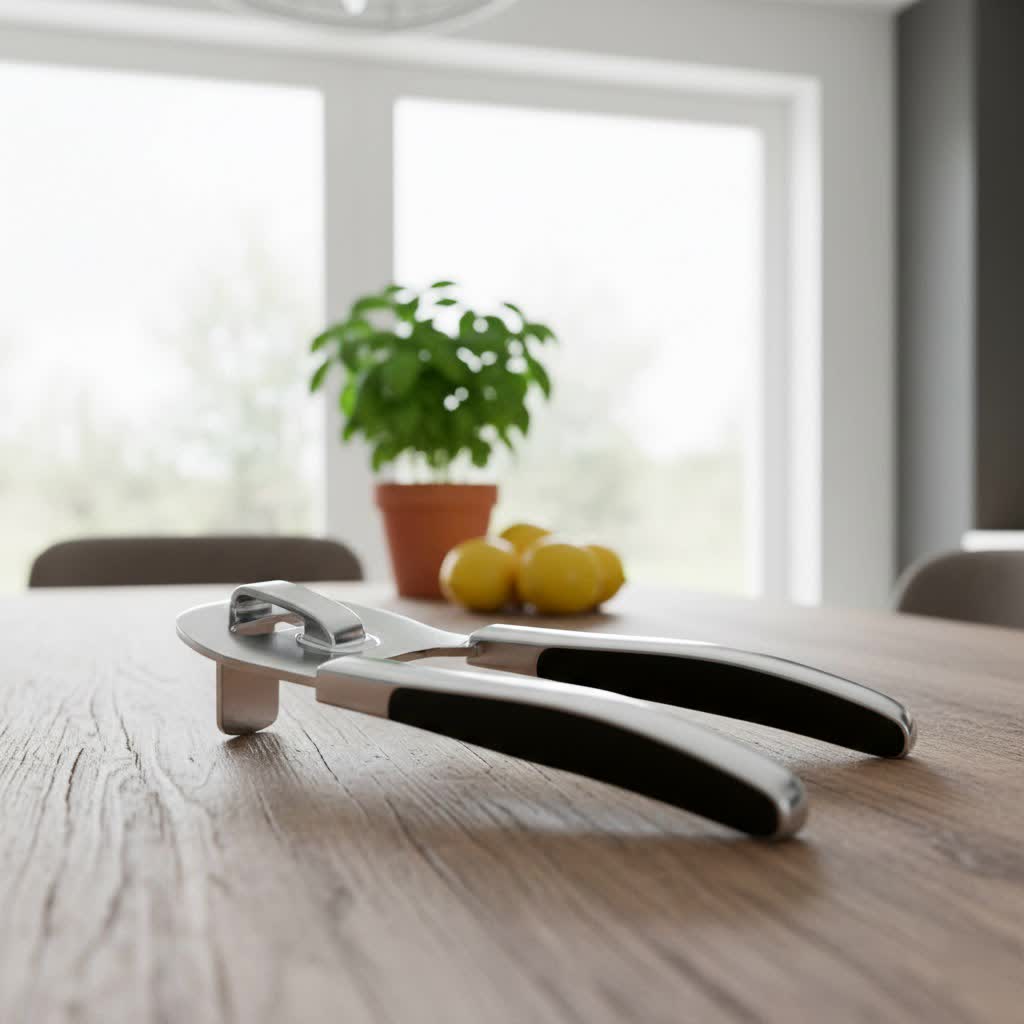
Choosing the perfect stainless steel can opener involves understanding its types, key features, and maintenance, ensuring durability, hygiene, and reliable performance. Stainless steel models are prized for their resistance to rust and corrosion, making them a hygienic and long-lasting choice for any kitchen. This guide details various designs, from traditional manual to electric, to help you select the best fit for your culinary needs.
A Guide to Selecting the Best Stainless Steel Can Opener
Choosing the right can opener is more than just picking a tool; it’s about enhancing your kitchen efficiency and ensuring safety. Stainless steel plays a crucial role in many high-quality can openers, providing strength and resistance to rust and corrosion.
Popular Types of Can Openers Featuring Stainless Steel
Stainless steel components are found across various can opener designs, each offering distinct advantages. Understanding these types is the first step in finding your ideal kitchen companion.
- Traditional Manual Can Openers: These are the most recognizable, requiring users to clamp the cutting wheel onto the can’s rim and turn a crank. Many traditional models feature robust stainless steel cutting wheels and often incorporate stainless steel accents in their handles for added durability and a classic aesthetic. They are typically straightforward, reliable, and excellent for everyday use.
- Rotary (Side-Cut/Smooth Edge) Can Openers: Designed for safety, these innovative openers cut along the side of the can, below the rim, leaving a smooth, lid-free edge. This eliminates sharp hazards on both the can and the lid, making them ideal for households with children or individuals seeking extra safety. The cutting mechanism in these models is almost exclusively stainless steel to ensure a clean, precise cut without leaving metal shavings.
- Electric Can Openers: While the main body is often plastic, the vital cutting blade in electric can openers is consistently made from stainless steel. These models offer convenience and are particularly beneficial for those with limited hand strength or mobility. They automate the opening process, requiring minimal effort and often featuring a magnetic lid-holder for touch-free disposal.
- Multi-Purpose Can Openers: Many stainless steel can openers go beyond just opening cans. They frequently integrate additional functionalities like bottle openers, jar lid grippers, or even ring-pull tab openers. Stainless steel is chosen for these multi-functional tools due to its inherent strength, ensuring each feature performs reliably and stands the test of time.
Key Factors to Consider When Buying a Stainless Steel Can Opener
When you’re ready to invest in a new can opener, several crucial elements will guide you toward the best choice. Focusing on these aspects will help you discern quality and functionality from less desirable alternatives.
- Material:
- Stainless Steel: The primary advantage of stainless steel is its superior resistance to rust and corrosion, making it a hygienic choice for food contact. It’s also incredibly strong and durable, ensuring the cutting mechanism maintains its sharpness over time. Ensure the blade and gears are solid stainless steel for optimal performance and longevity.
- High-Grade Plastic/Soft-Touch Grips: While the cutting parts should be stainless steel, handles often feature high-grade plastic or soft-touch silicone for enhanced comfort and grip. These materials complement the stainless steel, providing an ergonomic experience without compromising the opener’s core functionality.
- Durability: A can opener is a tool you want to last. Look for models with solid, heavy-duty stainless steel construction. Reading user reviews and choosing reputable brands known for kitchenware can provide insight into a product’s expected lifespan and performance under regular use. A well-built stainless steel can opener should withstand years of consistent use without bending or breaking.
- Features:
- Smooth-Edge Cutting: For safety, consider side-cutting models that eliminate sharp edges on the can and lid. This feature is often highlighted as a significant advantage, particularly for families.
- Ergonomic Design: Handles with a comfortable grip, whether soft-touch or well-shaped plastic, can significantly reduce hand strain. Oversized knobs on manual openers also make turning easier, especially for those with arthritis or weaker grip strength.
- Built-in Bottle Opener: Many manual can openers include a bottle opener, adding versatility and reducing clutter in your utensil drawer.
- Lid-Lifting Magnet: Found on some side-cut and electric models, a magnet allows for touch-free removal and disposal of the lid, further enhancing hygiene and safety.
- Ease of Use: An excellent can opener should operate smoothly and efficiently. Test the crank mechanism if possible, or look for reviews that praise effortless rotation and secure attachment to the can. Electric models, while more expensive, offer the ultimate in ease of use.
- Ease of Cleaning: Maintaining hygiene is essential for kitchen tools. Many stainless steel can openers are dishwasher safe, offering convenient cleaning. For those that require hand washing, look for designs that are easy to rinse and dry thoroughly to prevent water spots or potential rust buildup over time.
- Price: Stainless steel can openers are available across a wide price spectrum. Basic manual models can be very affordable, while high-end or electric versions with additional features will naturally cost more. Investing a little more in a durable, well-designed stainless steel model can save you money and frustration in the long run.
Comparison Table: A Quick Look at Can Opener Types
|
Our Picks for the Best Can Opener in 2026
As an Amazon Associate I earn from qualifying purchases.
|
||
| Num | Product | Action |
|---|---|---|
| 1 | KitchenAid Classic Multifunction Can Opener and Bottle Opener Easy to Use, Razor Sharp Stainless Steel Cutting Wheel, Soft Ergonomic Handles, Empire Red |

|
| 2 | Beneno Can Opener, Manual Side Safe Cut Can Opener Smooth Edge with Durable Sharp Blade, Effort-Saving Knob & Comfortable Non-slip Handle, Brown |
|
| 3 | Good Cook Can Opener, Safe Cut Manual Can Opener, no Sharp Can Edges, Black |
|
| 4 | OXO Good Grips Smooth Edge Can Opener |
|
| 5 | GORILLA GRIP Heavy Duty Stainless Steel Smooth Edge Manual Can Opener, Soft Comfortable Handle, Large Handheld Turn Knob, Built-In Bottle Openers, US Designed, Holiday Prep Kitchen Essential, Black |
|
| 6 | MARSWELL Hand Crank Can Opener Manual Heavy Duty, Commercial Can Openers with Ergonomic Rubber Coated Extra-Long Handles, Oversized Knob, Large Can Opener for Big Cans, Black |
|
| 7 | Beneno Heavy Duty Hand Can Opener Manual with Magnet, Durable Sharp Carbon Steel Blade Smooth Cutting, Big Effort-Saving Knob & Soft Grip Handle, Multifunctional Kitchen Tool with Bottle Opener, Green |
|
| 8 | Commercial Can Opener, UHIYEE Hand Crank Can Opener Manual Heavy Duty with Comfortable Extra-long Handles, Oversized Knob, Large Handheld Can Open Easy for Big Cans, Black |
|
| 9 | Zulay Kitchen Heavy Duty Stainless Steel Can Opener Manual with Bottle Opener - Rust Proof Manual Can Opener With Turn Knob & Comfy Soft Grip Handles - Black |
|
| 10 | KitchenAid Classic Multifunction Can Opener and Bottle Opener Easy to Use, Razor Sharp Stainless Steel Cutting Wheel, Soft Ergonomic Handles, Pistachio |
|
| Feature | Traditional Manual (Handheld) | Rotary (Side-Cut/Smooth Edge) | Electric Can Opener |
|---|---|---|---|
| Pros | Affordable, simple, robust | Safe, no sharp edges, hygienic | Effortless, ideal for limited mobility |
| Cons | Can leave sharp edges, requires effort | May have a learning curve, slightly slower | Higher cost, takes up counter space, requires power |
| Material | Stainless steel blade, mixed handles | Stainless steel blade & mechanism | Stainless steel blade, plastic body |
| Efficiency | Good for occasional use | Good for regular use | Excellent for frequent/bulk use |
Where to Purchase Your Stainless Steel Can Opener
Finding a quality stainless steel can opener is easy with a variety of retail options available.
- Kitchen & Home Goods Stores: Dedicated kitchen stores and the home goods sections of larger department stores often carry a good selection of manual and electric can openers, allowing you to see and feel the product before buying.
- Supermarkets: For basic and budget-friendly options, your local supermarket or grocery store typically stocks a few common types.
- Online Retailers: E-commerce sites offer the widest selection of brands, types, and price points. You can easily compare features, read extensive customer reviews, and often find competitive pricing. Look for detailed product descriptions specifying stainless steel components.
Tips for Using and Maintaining Your Stainless Steel Can Opener
To ensure your stainless steel can opener provides years of reliable service, proper use and maintenance are key.
- Clean After Each Use: Food residue can accumulate on the cutting wheel and gears, impacting performance and hygiene. Wash your can opener promptly after each use.
- Hand Wash vs. Dishwasher: While many stainless steel components are dishwasher safe, refer to the manufacturer’s instructions. Hand washing with warm, soapy water and a brush (for hard-to-reach areas) followed by thorough drying can often extend the life of your opener, especially those with non-stainless steel handles or intricate mechanisms.
- Dry Thoroughly: Stainless steel is rust-resistant, not rust-proof, especially if continuously exposed to moisture or harsh chemicals. Always dry your can opener completely after washing, using a clean cloth, before storing it. This prevents water spots and potential corrosion.
- Store Properly: Keep your can opener in a dry drawer or hang it on a hook if it has a hanging loop. Avoid storing it in areas prone to humidity or directly next to items that might scratch its surface.
- Lubrication (for some manual models): For older or heavy-duty manual can openers with exposed gears, a tiny drop of food-grade mineral oil applied occasionally can keep the mechanism turning smoothly. This is generally not needed for modern, sealed designs.
> “A truly great can opener isn’t just about opening cans; it’s about making everyday kitchen tasks feel effortless and safe. Stainless steel is often the unsung hero, providing the backbone of durability and hygiene that every home cook deserves.” – Chef Isabella Rossi, Culinary Equipment Specialist
Conclusion
A high-quality stainless steel can opener is an indispensable tool in any kitchen, promising durability, hygiene, and efficient performance. By understanding the different types available and considering factors such as material, features, and ease of use, you can confidently choose a model that perfectly suits your needs. With proper care and maintenance, your stainless steel can opener will be a reliable kitchen companion for years to come. What kind of cans are you excited to open next with your new, gleaming stainless steel can opener?
Frequently Asked Questions
Why choose a stainless steel can opener over other materials?
Stainless steel offers superior durability, resistance to rust and corrosion, and is highly hygienic, making it an excellent material for kitchen tools that come into contact with food. Its strength ensures the cutting blade remains sharp and effective over time.
Are smooth-edge stainless steel can openers truly safer?
Yes, smooth-edge can openers are designed to cut along the side of the can, separating the lid without creating sharp edges on either the can or the lid. This significantly reduces the risk of cuts and makes handling much safer, especially in busy kitchens or with children present.
How often should I replace my stainless steel can opener?
The lifespan of a stainless steel can opener largely depends on its quality and how well it’s maintained. A high-quality model, properly cleaned and dried after each use, can last for many years, even decades. However, if you notice the blade becoming dull, gears slipping, or signs of rust that can’t be removed, it’s time for a replacement.
Frequently Asked Questions
Why should I choose a stainless steel can opener instead of other materials?
Stainless steel offers superior durability, resistance to rust and corrosion, and is highly hygienic for food contact. Its inherent strength ensures the cutting blade remains sharp and effective for many years, providing a reliable kitchen tool.
Are smooth-edge stainless steel can openers genuinely safer for home use?
Yes, smooth-edge can openers are designed to cut along the side of the can, separating the lid without creating sharp edges on either the can or the lid. This significantly reduces the risk of cuts, making them much safer, especially in households with children or busy kitchens.
What is the typical lifespan of a high-quality stainless steel can opener?
The lifespan of a stainless steel can opener depends on its quality and maintenance. A well-made model, properly cleaned and dried after each use, can last for many years, often a decade or more. Replace it if the blade dulls, gears slip, or rust appears.
How do I properly clean and maintain my stainless steel can opener?
To maintain your stainless steel can opener, clean it promptly after each use with warm, soapy water, especially around the cutting wheel. Always dry it thoroughly with a clean cloth before storing to prevent water spots and potential corrosion, even though it's rust-resistant.
Can electric can openers also feature stainless steel components?
Yes, while the main body of electric can openers is often plastic, the vital cutting blade is consistently made from stainless steel. This ensures a precise cut and durability, even in automated models designed for convenience and ease of use.
How to Choose a Stainless Steel Can Opener
Selecting the right stainless steel can opener involves considering material, durability, features, ease of use, and cleaning to ensure it meets your kitchen needs.
First, determine which type best suits your needs: traditional manual for simplicity, rotary for safety (smooth edges), or electric for convenience. Each type offers distinct advantages in terms of operation and features.
Look for models with solid stainless steel blades and gears for superior rust resistance and longevity. While handles can be plastic or silicone for comfort, ensure the core cutting mechanism is robust stainless steel to withstand years of use.
Prioritize features like smooth-edge cutting for safety, ergonomic handles for comfort, and oversized knobs for easier turning. Additional features like built-in bottle openers or lid-lifting magnets can enhance versatility and convenience.
Choose an opener that operates smoothly and is easy to attach to cans. For cleaning, check if it's dishwasher safe or designed for easy hand washing, ensuring hygiene and preventing residue buildup. Proper cleaning extends the tool's lifespan.
Get our weekly buyer guide
Practical specs, not advice. Unsubscribe anytime.

As someone who cooks a lot, hygiene is key. The emphasis on stainless steel’s resistance to rust and corrosion really resonated with me. I picked up a heavy-duty, commercial-grade manual opener, and it’s a beast. Cleans up easily and I can tell it’s going to last forever.
I was looking for a new can opener and found the comparison of traditional vs. electric models helpful. I went with a traditional manual one, hoping for better performance. It works okay, but sometimes it takes a few tries to get it to grip the can properly. It’s definitely rust-resistant though, which is a plus.
After reading about the different types, I decided to upgrade to an electric stainless steel can opener. It’s a game-changer for my arthritic hands! The only minor thing is that it’s a bit louder than I expected, but the convenience totally makes up for it. Definitely worth the investment for the durability.
I’ve always struggled with flimsy can openers that rust after a few washes. This guide really helped me understand why stainless steel is superior. I ended up getting a manual side-cut model, and it’s been fantastic. No more jagged edges, and it feels incredibly sturdy.