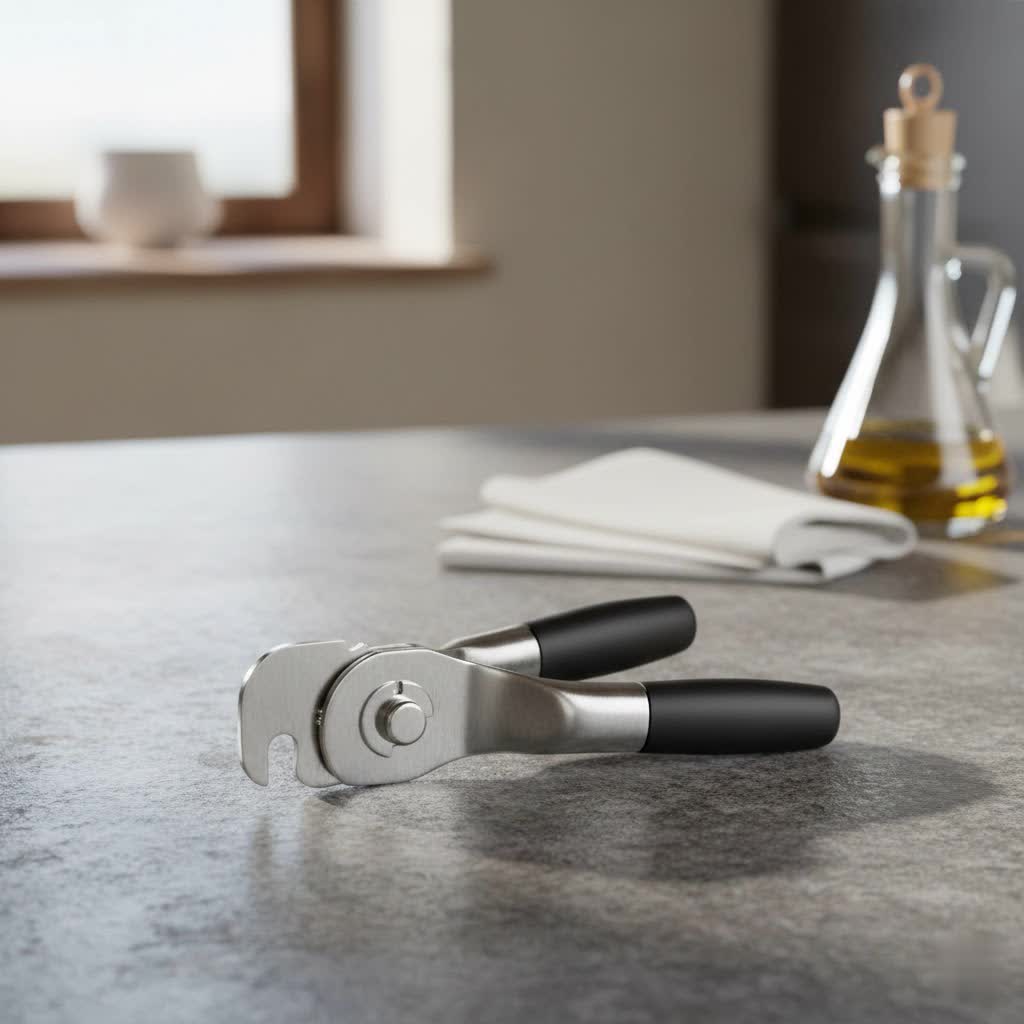
In the demanding environment of a commercial kitchen, efficiency is paramount, and few tasks are as repetitive, or as critical, as opening canned goods. An Industrial Can Opener isn’t just a convenience; it’s a workhorse designed to streamline operations, enhance safety, and boost productivity. If your establishment handles large volumes of canned ingredients daily, investing in the right industrial can opener can transform your food preparation workflow, saving valuable time and labor. This guide will help you navigate the options and choose the perfect can opener to meet your commercial needs.
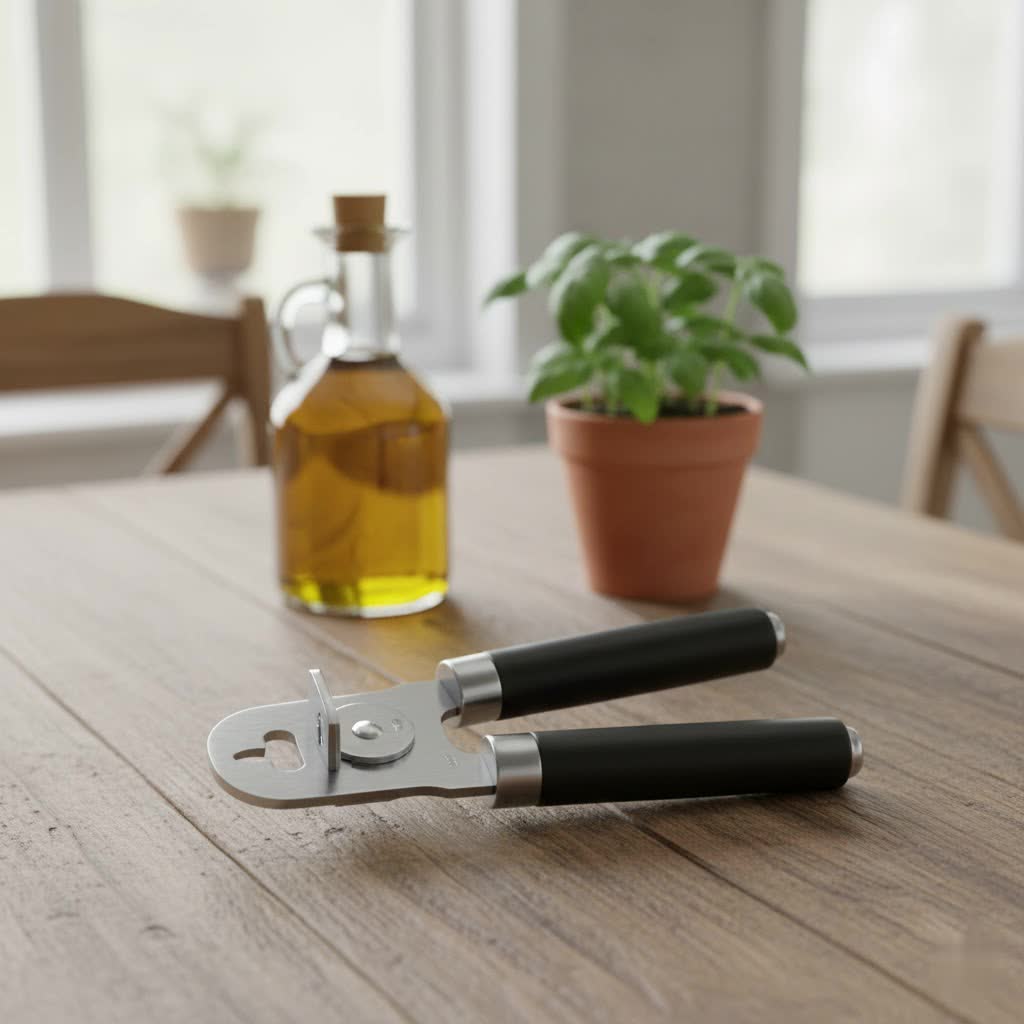
Guide to Choosing the Best Industrial Can Opener
Selecting an industrial can opener requires careful consideration of your kitchen’s specific demands. From the volume of cans processed daily to the types of materials and safety features, each aspect plays a vital role in determining the most suitable model.
Types of Industrial Can Openers
Industrial can openers come in various designs, each tailored for different operational scales and preferences. Understanding these types is the first step in making an informed decision.
-
Manual Table-Mounted Can Openers
These robust, hand-operated units are a staple in many commercial kitchens for their durability and straightforward operation. They typically feature a base that clamps or screws down to a countertop, providing stability for opening a steady stream of cans.- Standard Duty: Ideal for lower-volume operations, capable of opening approximately 15-25 cans per day, usually up to 7 inches in height. They are a significant upgrade from home-use openers, offering greater strength and consistency.
- Heavy Duty: Built for more rigorous use, these models can handle 50 to 200 cans daily and accommodate taller cans, often up to 11 inches high. They require manual effort but are highly reliable and cost-effective. Brands like Edlund and Vollrath offer popular heavy-duty manual options.
-
Electric Can Openers
For kitchens with high-volume canning needs, electric can openers offer unparalleled speed and ease. They significantly reduce physical strain and can process hundreds of cans rapidly.- Single-Speed & Two-Speed Options: Depending on the model, electric openers can have one or two speeds, providing flexibility for different can types and operational paces.
- Features: Designed to open 75 to 200 cans per day or more, these machines are fast and require minimal effort. Some advanced models include automatic features that enhance safety by reducing direct contact with sharp edges, making them a safe addition to a busy kitchen.
-
Crown Punch Can Openers
These specialized units are the ultimate solution for extreme high-volume operations, capable of opening thousands of cans per day, sometimes up to 3000.- Features: Often referred to as “beasts” due to their immense capacity, crown punch openers typically use a single, powerful motion to open cans. Some models are air-powered, further automating the process and minimizing physical labor. They are ideal for large-scale institutional kitchens or food manufacturing facilities where efficiency is critical.
|
Our Picks for the Best Can Opener in 2026
We may earn a commission when you use one of our links to make a purchase.
|
||
| Num | Product | Action |
|---|---|---|
| 1 | OXO Good Grips Smooth Edge Can Opener |

|
| 2 | KitchenAid Classic Multifunction Can Opener and Bottle Opener Easy to Use, Razor Sharp Stainless Steel Cutting Wheel, Soft Ergonomic Handles, Pistachio |
|
| 3 | KitchenAid Classic Multifunction Can Opener and Bottle Opener Easy to Use, Razor Sharp Stainless Steel Cutting Wheel, Soft Ergonomic Handles, Empire Red |
|
| 4 | Zulay Kitchen Heavy Duty Stainless Steel Can Opener Manual with Bottle Opener - Rust Proof Manual Can Opener With Turn Knob & Comfy Soft Grip Handles - Black |
|
| 5 | MARSWELL Hand Crank Can Opener Manual Heavy Duty, Commercial Can Openers with Ergonomic Rubber Coated Extra-Long Handles, Oversized Knob, Large Can Opener for Big Cans, Black |
|
| 6 | Beneno Can Opener, Manual Side Safe Cut Can Opener Smooth Edge with Durable Sharp Blade, Effort-Saving Knob & Comfortable Non-slip Handle, Brown |
|
| 7 | Good Cook Can Opener, Safe Cut Manual Can Opener, no Sharp Can Edges, Black |
|
| 8 | GORILLA GRIP Heavy Duty Stainless Steel Smooth Edge Manual Can Opener, Soft Comfortable Handle, Large Handheld Turn Knob, Built-In Bottle Openers, US Designed, Holiday Prep Kitchen Essential, Black |
|
| 9 | Beneno Heavy Duty Hand Can Opener Manual with Magnet, Durable Sharp Carbon Steel Blade Smooth Cutting, Big Effort-Saving Knob & Soft Grip Handle, Multifunctional Kitchen Tool with Bottle Opener, Green |
|
| 10 | Commercial Can Opener, UHIYEE Hand Crank Can Opener Manual Heavy Duty with Comfortable Extra-long Handles, Oversized Knob, Large Handheld Can Open Easy for Big Cans, Black |
|
Factors to Consider When Buying an Industrial Can Opener
Choosing the best industrial can opener involves weighing several key factors that directly impact its performance, longevity, and suitability for your kitchen.
-
Material:
- Stainless Steel: The gold standard for commercial kitchen equipment, stainless steel offers superior durability, corrosion resistance, and is easy to clean, making it highly hygienic. Many NSF-certified models are made from stainless steel, ensuring they meet strict public health standards.
- Plated Steel: A more budget-friendly alternative, plated steel can offer good durability but may not match the longevity or corrosion resistance of stainless steel over extended periods of heavy use.
-
Durability:
The daily grind of a commercial kitchen demands equipment that can withstand constant use.- Check user reviews and brand reputation: Brands like Edlund, Vollrath, and Nemco are renowned for producing robust and reliable industrial can openers.
- Consider construction: Look for heavy-duty components, solid bases, and strong cutting mechanisms that promise long-term performance.
-
Features:
The right features can significantly improve workflow and safety.- Capacity: Match the opener’s “cans per day” rating to your kitchen’s actual needs. Over-speccing can be costly, while under-speccing leads to wear and inefficiency.
- Can Size Compatibility: Ensure the opener can handle the range of can heights and diameters you typically use. Many models offer adjustable bars to accommodate various can sizes.
- Ease of Cleaning: Removable parts and smooth, non-porous surfaces make cleaning easier and more thorough, crucial for maintaining hygiene. Some models, like certain Vollrath Redco EaziClean openers, are specifically designed for quick disassembly and cleaning.
- Safety: Features that minimize contact with sharp can edges, such as smooth-edge cutting or automatic operation, are vital for preventing workplace injuries.
- Base Style: Table-mounted units often come with either a clamp base for temporary mounting or a screw-down base for permanent, stable installation.
-
Price:
Industrial can openers represent an investment, with prices varying widely based on type, capacity, and features.- Manual openers are generally the most affordable, with heavy-duty electric and crown punch models commanding higher prices due to their advanced capabilities and increased automation.
- Long-term value should be a key consideration; a more expensive, durable, and efficient model may offer better ROI through reduced labor, faster prep, and fewer breakdowns.
Comparison Table of Industrial Can Openers
| Feature | Manual Table-Mounted Can Opener | Electric Can Opener | Crown Punch Can Opener |
|---|---|---|---|
| Volume/Day | Standard: 15-25; Heavy: 50-200 | 75-200+ cans | Up to 3000 cans |
| Effort | Moderate to High | Low (hands-free possible) | Very Low (single motion, automated) |
| Speed | Moderate | Fast | Extremely Fast |
| Cost | Low to Medium | Medium to High | High |
| Key Benefits | Durable, cost-effective, reliable | Fast, reduces labor, consistent cuts | Max capacity, ultimate efficiency, minimal effort |
| Drawbacks | Requires physical effort, slower than electric | Higher initial cost, requires power outlet | Highest initial cost, specific use case |
Where to Buy Industrial Can Openers?
Acquiring a high-quality industrial can opener is crucial, and several reputable sources specialize in commercial kitchen equipment.
- Commercial Restaurant Supply Stores: Online and brick-and-mortar stores like Webstaurant Store, Wasserstrom, and Chefs Deal offer a vast selection of brands and models, often with detailed specifications and customer reviews.
- E-commerce Platforms: Larger general e-commerce sites can also carry commercial-grade equipment, though it’s essential to verify seller reputation and product authenticity.
Tips for Using and Maintaining Your Industrial Can Opener
Proper use and maintenance are key to extending the life of your industrial can opener and ensuring optimal performance.
- Proper Operation: Always position the can correctly and ensure the cutting wheel engages properly before rotating. For manual models, a smooth, consistent turning motion is most effective. For electric models, allow the machine to do the work.
- Regular Cleaning: Disassemble removable parts for thorough cleaning after each use to prevent food buildup and bacterial growth. Many components are dishwasher safe or can be cleaned with hot, soapy water.
- Lubrication: If your model has moving gears, periodic lubrication according to the manufacturer’s instructions can ensure smooth operation and prevent premature wear.
- Replacement Parts: Keep an eye on the cutting blade and gear. Over time, these parts will dull or wear down. Many manufacturers, like Edlund, offer convenient knife and gear replacement kits to ensure your opener continues to perform like new.
- Safe Storage: Store the can opener in a dry, clean area when not in use.
“A well-maintained industrial can opener isn’t just a tool; it’s an indispensable team member in any busy kitchen, consistently delivering efficiency and safety with every can opened.” – Chef Antoine Dubois, Culinary Operations Director.
Conclusion
Choosing the right industrial can opener is an investment in your commercial kitchen’s efficiency and the safety of your staff. By carefully considering the types available—manual, electric, or crown punch—and evaluating factors such as material, durability, and specific features like capacity and ease of cleaning, you can select a workhorse that perfectly aligns with your operational demands. Proper maintenance and timely replacement of parts will ensure your chosen industrial can opener remains a reliable asset for years to come. What impact could a truly efficient can opening solution have on your kitchen’s overall productivity?
Câu Hỏi Thường Gặp
What are the main types of industrial can openers?
The primary types are manual table-mounted (for various volumes), electric (for high-speed, effortless operation), and crown punch (for extremely high volumes, often air-powered). Each type is designed to meet different operational demands in commercial kitchens.
How many cans can an industrial can opener open per day?
Capacity varies significantly by type. Light-duty manual openers handle up to 15 cans, standard-duty manual up to 25, heavy-duty manual and electric models between 50-200 cans, and crown punch openers can process up to 3000 cans daily.
Is stainless steel important for an industrial can opener?
Yes, stainless steel is highly recommended for its durability, resistance to corrosion, and ease of cleaning, which are crucial for maintaining hygiene and meeting food safety standards like NSF certification in a commercial environment.
How do I maintain my industrial can opener?
Regular maintenance includes cleaning all removable parts after each use to prevent food buildup, lubricating moving gears if recommended by the manufacturer, and proactively replacing worn components like cutting blades and gears with specific replacement kits.
What are the safety features to look for?
Look for features that minimize direct hand contact with the can’s sharp edges, such as smooth-edge cutting mechanisms or automated operation. Stable mounting options (clamp or screw-down bases) also contribute to safer use.