Do you find yourself wrestling with stubborn cans, struggling with dull blades, or risking cuts from jagged edges? A reliable can opener is more than just a kitchen tool; it’s an essential companion for every home cook, transforming a frustrating chore into a smooth, effortless task. With countless options on the market, from classic manual designs to advanced electric models, selecting the right one can feel overwhelming. This comprehensive guide will empower you with the knowledge and insights needed to choose a can opener that perfectly fits your lifestyle and culinary demands, ensuring smooth sailing through every meal prep.
How to Choose the Best Can Opener for Your Kitchen
The world of can openers is more diverse than you might imagine, with each type offering distinct advantages. Understanding these differences is the first step toward finding your ideal kitchen tool.
Popular Types of Can Openers
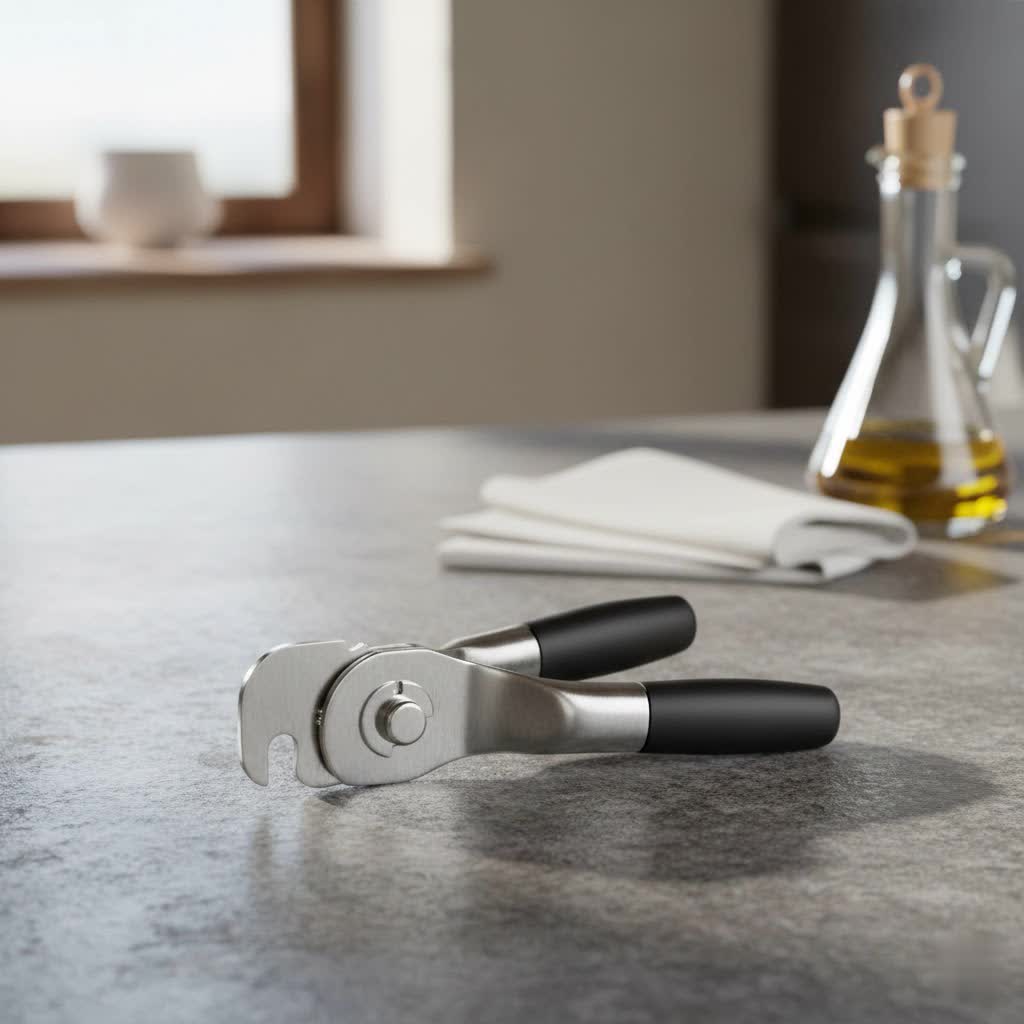
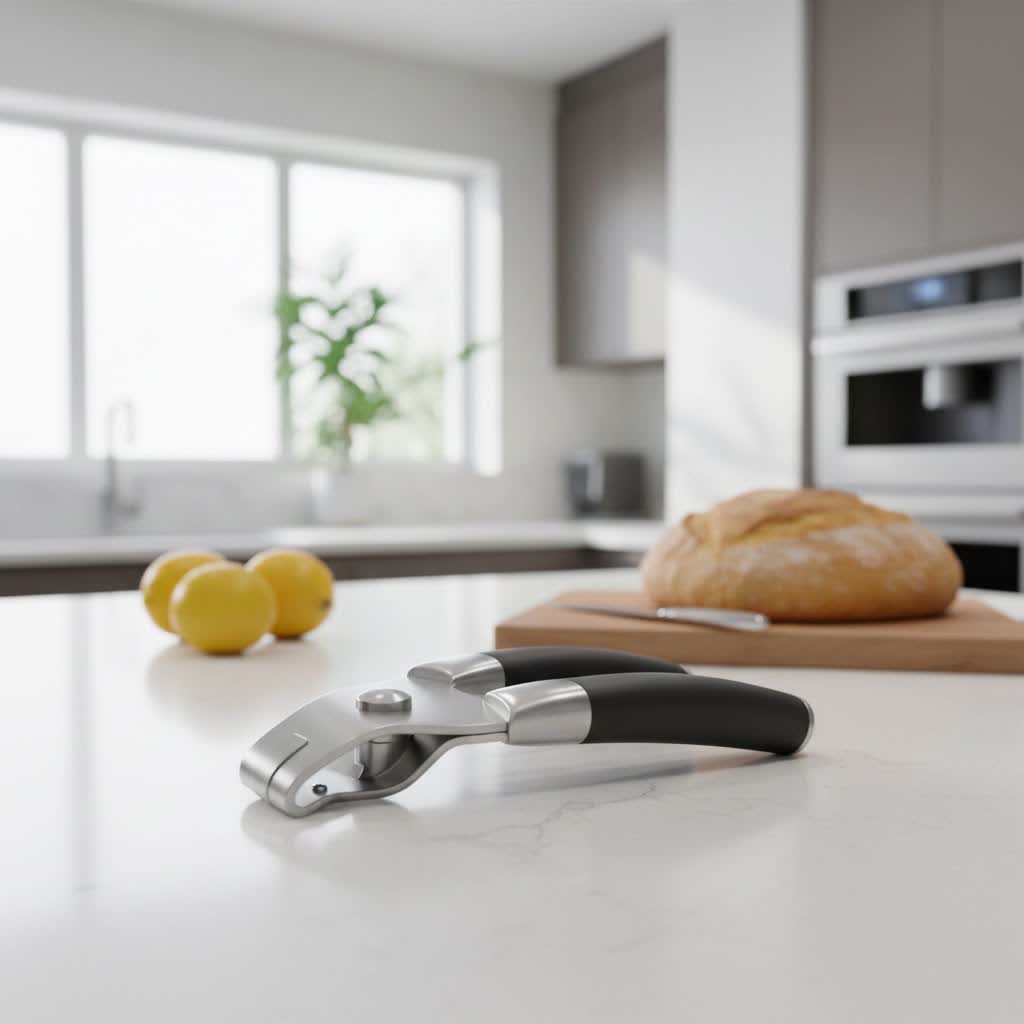
- Traditional Manual Can Openers: These are the classic two-handled devices with a rotating gear and blade that cut down into the can lid from the top. They are often praised for their affordability, simple mechanics, and compact size, making them a staple in many kitchens. While reliable and easy to store, they typically require two hands and some manual effort, and the resulting lid can have sharp edges.
- Rotary Can Openers: Often synonymous with traditional manual openers, this term highlights the crank-and-wheel mechanism used to open cans. They are generally lightweight, portable, and don’t require electricity, making them ideal for camping or emergency kits. However, some users might find the twisting action challenging, especially those with limited hand strength.
- Safety Can Openers (Side-Cut): Designed with safety in mind, these innovative openers cut along the side seam of the can, beneath the rim, rather than through the top. This method leaves no sharp edges on either the can or the lid, significantly reducing the risk of injury. Side-cut openers often create a re-sealable lid that can be placed back on the can for temporary storage. They are particularly popular in households with children or for individuals who prioritize safety and a clean finish.
- Electric Can Openers: For those seeking maximum convenience and minimal effort, electric can openers are a game-changer. Available in countertop and handheld models, they operate automatically with the push of a button, making them an excellent choice for individuals with arthritis, carpal tunnel syndrome, or limited hand mobility. Countertop versions usually feature a magnet to hold the can in place and lift the lid, while handheld electric models clip onto the can and walk around it. They are fast, produce smooth lid edges, but are typically larger, more expensive, and require electricity or batteries.
- Multi-Functional Can Openers: Some modern can openers go beyond just opening cans. These versatile tools might include additional features such as bottle openers, jar openers, or pull-tab assist tools. A well-designed multi-functional opener can be a space-saving asset in a busy kitchen, though it’s important to ensure its core can-opening function remains robust.
Key Factors to Consider When Buying a Can Opener
Choosing the right can opener involves evaluating several aspects to ensure it meets your specific needs and preferences.
- Material:
- Stainless Steel: Often found in higher-quality manual and side-cut openers, stainless steel blades and mechanisms offer superior durability, resistance to rust, and longevity. Handles may be stainless steel or incorporate comfortable grip materials.
- High-Quality Plastic: Used primarily for handles and sometimes for the body of electric or safety openers. Look for sturdy, BPA-free plastics that offer a comfortable, non-slip grip. Cheaper plastics can feel flimsy and may not last as long.
- Durability: A good can opener should be built to last.
- Check User Reviews: Online reviews often highlight common durability issues or praise long-lasting performance. Pay attention to comments regarding blades dulling or mechanisms failing over time.
- Choose Reputable Brands: Brands known for kitchen tools often offer better quality and warranties. Investing in a trusted name can save you from frequent replacements.
- Features: Consider what makes a can opener truly useful for you.
- Top-Cut vs. Side-Cut: Decide if the traditional sharp-edged lid is acceptable, or if the smooth, safer edge of a side-cut opener is a priority. Side-cut designs also prevent the blade from touching the can’s contents, enhancing hygiene.
- Lid Magnet: Many electric and some manual/safety openers include a small magnet to easily lift and safely dispose of the lid, preventing it from falling into the can or requiring you to touch sharp edges.
- Easy to Clean: Can openers can accumulate food residue. Look for models that are easy to rinse or are dishwasher- safe to maintain hygiene and prevent rust. Openers with tight hinges can be harder to clean thoroughly.
- Ergonomic Handles and Knobs: Comfortable, non-slip grips are crucial, especially for manual openers where you apply pressure. Larger knobs on manual openers provide better leverage and are easier to turn. Soft-grip materials are generally more comfortable than hard plastic or thin metal.
- Ease of Use: This is paramount, especially if you have specific physical needs.
- Grip and Leverage: Manual openers require a firm grip and smooth cranking. Test the feel if possible. Electric models offer effortless operation.
- Ambidextrous Design: Some manual openers are designed to be equally comfortable for left or right-handed users.
- Learning Curve: While most can openers are intuitive, some safety or electric models might have a slight learning curve to master their specific mechanism.
- Price: Can openers range widely in price, reflecting their type, materials, and brand.
- Price Segments: Basic manual openers can be found for under $10, while high-end manual or advanced electric models can cost $30-$50 or more.
- Value for Money: Consider your frequency of use and specific needs. A higher price often indicates better durability and features, but there are excellent budget-friendly options too.
Comparison Table: Types of Can Openers
| Feature | Traditional Manual Can Opener | Side-Cut Safety Can Opener | Electric Can Opener |
|---|---|---|---|
| Pros | Affordable, compact, no power | Safe edges, hygienic, re-sealable lid | Effortless, fast, ideal for limited mobility |
| Cons | Sharp edges, requires effort, two hands | May have a learning curve, slightly higher cost | Larger, requires power, more expensive |
| Effort | Moderate to High | Low to Moderate | Very Low (push button) |
| Lid Edge | Sharp, Jagged | Smooth, Safe | Smooth, Safe |
| Portability | High | High | Low (countertop) to Medium (handheld electric) |
Where to Buy Your Can Opener
Finding the perfect can opener is easier than ever with various shopping avenues available.
- Home Goods Stores: Stores specializing in kitchenware often have a wide selection, allowing you to physically inspect and handle different models. This is great for evaluating comfort and grip.
- Supermarkets: Many grocery stores carry basic to mid-range manual and some electric can openers, offering convenience for everyday purchases.
- E-commerce Websites: Online retailers provide the largest selection, competitive pricing, and access to countless user reviews. This is an excellent resource for comparing models, reading testimonials, and finding niche options.
Tips for Using and Maintaining Your Can Opener
Proper use and care can significantly extend the lifespan of your can opener and ensure its continued performance.
- Clean After Every Use: Food residue can dull blades and promote rust. Rinse your can opener thoroughly with warm, soapy water after each use. For manual models, ensure food particles don’t get stuck in the gears. Many are dishwasher-safe, but check manufacturer instructions.
- Store in a Dry Place: Moisture is the enemy of metal components. Ensure your can opener is completely dry before storing it in a drawer or cabinet to prevent rust and corrosion.
- Lubricate Periodically (if applicable): For some manual can openers with exposed moving parts, a tiny drop of food-grade mineral oil applied to the gears every few months can ensure smooth operation and prevent sticking. This is less common for modern designs but worth checking.
- Avoid Submerging Electric Models: Never submerge electric can openers in water. Wipe them clean with a damp cloth and mild detergent, ensuring no water enters the electrical components.
> “A well-maintained can opener is like a chef’s sharp knife – it makes every task smoother and safer, transforming a potential hassle into a satisfying experience.” – Admin, reviewbdsaz.com
Conclusion
Choosing the ideal can opener involves balancing functionality, safety, and personal preference. Whether you opt for the simplicity of a traditional manual opener, the innovative safety of a side-cut design, or the effortless convenience of an electric model, investing in a high-quality can opener will undoubtedly enhance your kitchen experience. Consider the material, durability, and specific features that matter most to you, and don’t hesitate to consult user reviews to guide your decision. With the right can opener in hand, you’ll be ready to tackle any canned ingredient with confidence and ease.
What type of can opener best suits your everyday cooking adventures?
Frequently Asked Questions
What makes a safety can opener different from a traditional one?
Safety can openers, also known as side-cut openers, differ from traditional models by cutting horizontally along the can’s rim instead of vertically through the lid. This leaves a smooth, safe edge on both the can and the lid, eliminating sharp hazards often associated with conventional can openers. They also typically prevent the blade from touching the food, offering a more hygienic opening.
How often should I replace my can opener?
The lifespan of a can opener varies greatly depending on its type, material, and how frequently it’s used. High-quality manual openers made of stainless steel can last for many years with proper care. Electric and safety can openers might need replacement if their mechanisms fail or blades become dull. Generally, if your can opener starts struggling to open cans, leaves jagged edges, or shows signs of rust or damage, it’s time for a replacement.