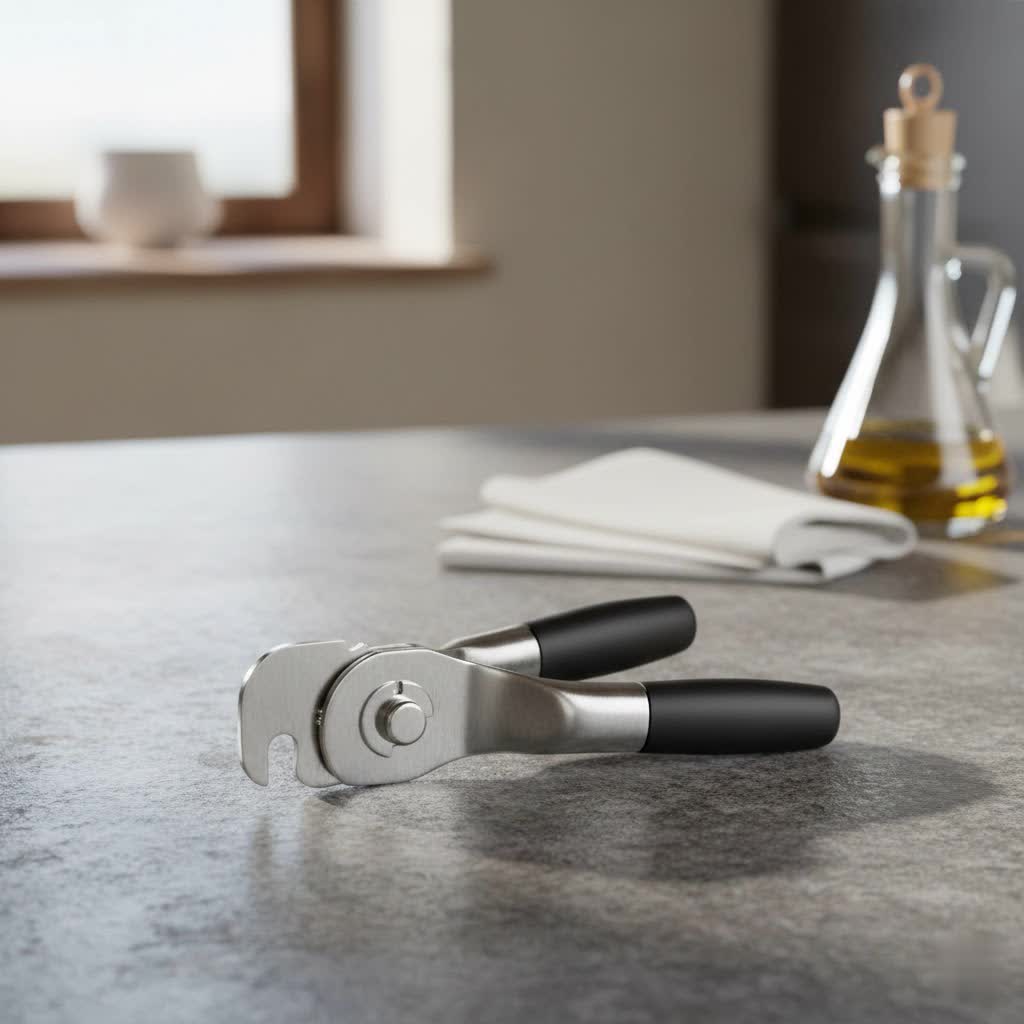
In an age of advanced kitchen gadgets and automated devices, some tools stand the test of time, proving their worth through simple, robust design and undeniable effectiveness. The Church Key Can Opener is precisely one such marvel. Far more than just a piece of metal, this humble opener holds a rich history and continues to be a staple in kitchens, bars, and picnic baskets worldwide. If you’ve ever struggled with a stubborn can or bottle, understanding the enduring charm and utility of the church key might just change your perspective on opening beverages forever.
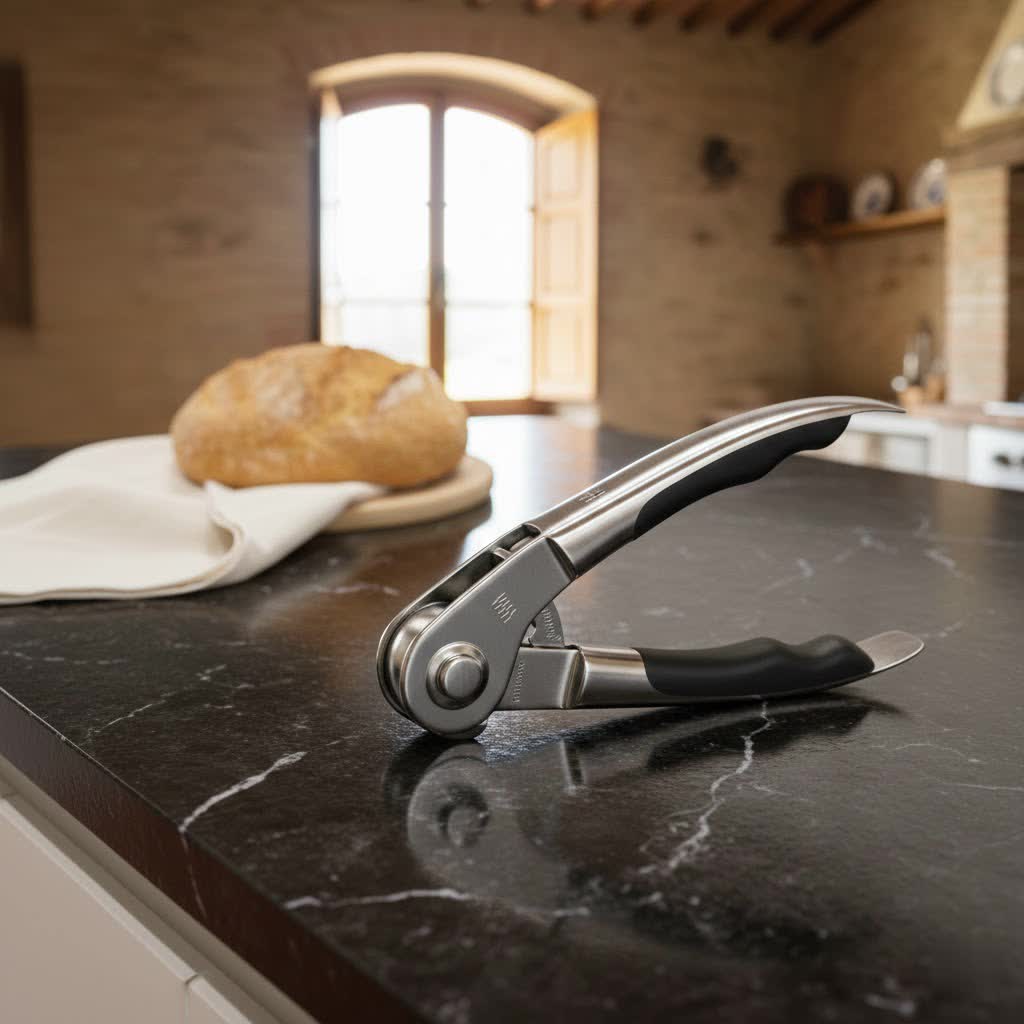
Guide to the Best Church Key Can Opener
Choosing the right can opener can dramatically impact your kitchen experience. While many modern options exist, the church key offers a unique blend of simplicity, durability, and versatility that appeals to both home users and professionals.
Types of Can Openers
When we talk about can openers, a few categories typically come to mind, each with its own advantages.
- Traditional Handheld Can Openers: These are the classic, geared openers that clamp onto the rim of a can and use a rotating crank to cut the lid. They are widely used and effective for most standard cans.
- Rotary Can Openers: Often referred to as manual side-cut openers, these cut along the side seam of the can, leaving a smooth, re-sealable edge. They are a safer alternative, as they don’t produce sharp edges.
- Electric Can Openers: Offering maximum convenience, electric models automatically cut lids with the push of a button, ideal for those with limited hand strength or who frequently open many cans.
- Multi-functional Can Openers: Many modern kitchen tools combine several functions, such as a bottle opener, jar opener, and even can piercing capabilities in one device.
- The Church Key Can Opener: Distinct from the above, the church key is a specific type of handheld opener. Historically, it evolved from a simple bottle opener into a dual-purpose tool, featuring a pointed end for piercing flat-top cans and a hooked end for prying off bottle caps. Its minimalist design makes it remarkably durable and efficient for its specific tasks.
|
Our Picks for the Best Can Opener in 2026
We may earn a commission when you use one of our links to make a purchase.
|
||
| Num | Product | Action |
|---|---|---|
| 1 | Beneno Can Opener, Manual Side Safe Cut Can Opener Smooth Edge with Durable Sharp Blade, Effort-Saving Knob & Comfortable Non-slip Handle, Brown |

|
| 2 | Beneno Heavy Duty Hand Can Opener Manual with Magnet, Durable Sharp Carbon Steel Blade Smooth Cutting, Big Effort-Saving Knob & Soft Grip Handle, Multifunctional Kitchen Tool with Bottle Opener, Green |
|
| 3 | OXO Good Grips Smooth Edge Can Opener |
|
| 4 | Good Cook Can Opener, Safe Cut Manual Can Opener, no Sharp Can Edges, Black |
|
| 5 | GORILLA GRIP Heavy Duty Stainless Steel Smooth Edge Manual Can Opener, Soft Comfortable Handle, Large Handheld Turn Knob, Built-In Bottle Openers, US Designed, Holiday Prep Kitchen Essential, Black |
|
| 6 | KitchenAid Classic Multifunction Can Opener and Bottle Opener Easy to Use, Razor Sharp Stainless Steel Cutting Wheel, Soft Ergonomic Handles, Empire Red |
|
| 7 | MARSWELL Hand Crank Can Opener Manual Heavy Duty, Commercial Can Openers with Ergonomic Rubber Coated Extra-Long Handles, Oversized Knob, Large Can Opener for Big Cans, Black |
|
| 8 | Zulay Kitchen Heavy Duty Stainless Steel Can Opener Manual with Bottle Opener - Rust Proof Manual Can Opener With Turn Knob & Comfy Soft Grip Handles - Black |
|
| 9 | Commercial Can Opener, UHIYEE Hand Crank Can Opener Manual Heavy Duty with Comfortable Extra-long Handles, Oversized Knob, Large Handheld Can Open Easy for Big Cans, Black |
|
| 10 | KitchenAid Classic Multifunction Can Opener and Bottle Opener Easy to Use, Razor Sharp Stainless Steel Cutting Wheel, Soft Ergonomic Handles, Pistachio |
|
Factors to Consider When Buying a Church Key Can Opener
Despite its straightforward nature, there are still a few elements to consider to ensure you pick the best church key can opener for your needs.
- Material:
- Stainless Steel: The most common and recommended material, offering excellent durability, resistance to rust, and ease of cleaning. Professional-grade church keys, like the Winco CO-201, are often crafted from robust stainless steel, ensuring longevity even with frequent use.
- High-Quality Plastic: While less common for the primary piercing component, some multi-tools may integrate plastic handles for improved grip or aesthetics. For the core function of a church key, a metal construction is superior.
- Durability: The inherent simplicity of the church key contributes to its exceptional durability. Without complex moving parts, there’s less to break.
- User Reviews: Checking reviews can give you insight into the real-world performance and lifespan of different models.
- Reputable Brands: Brands known for producing quality barware or kitchen tools often ensure their church keys meet high standards.
- Features: The primary features of a church key are its dual capabilities.
- Can Piercing: Look for a sharp, sturdy triangular point that can cleanly puncture can lids.
- Bottle Opening: The hooked end should easily leverage and remove crown caps from bottles.
- Ease of Cleaning: A simple, single-piece metal design is generally very easy to hand wash and dry.
- Price: Church key can openers are typically very affordable, offering excellent value for their utility and durability.
- Price Segments: You’ll find them in a range from very basic, inexpensive models to slightly more ergonomic or branded versions.
- Comparison: Given their low cost, comparing prices between a few suppliers is always a good idea.
Comparison Table of Can Opener Types
| Feature | Can Opener Cầm Tay Truyền Thống (Rotary) | Can Opener Quay Tay (Side-Cut) | Can Opener Điện | Church Key Can Opener |
|---|---|---|---|---|
| Ưu điểm | Familiar, effective for many cans | Smooth edges, safer | Effortless, fast | Simple, durable, portable, dual-purpose (cans & bottles) |
| Nhược điểm | Can leave sharp edges | Can be tricky to align | Requires power, bulkier, more expensive | Requires manual force, primarily for flat-top cans/venting |
| Material | Metal, plastic handles | Metal, plastic handles | Plastic, metal components | Steel (often stainless steel) |
| Cost | Low to moderate | Moderate | High | Very low |
| Complexity | Moderate | Moderate | High | Very low |
Where to Buy a Church Key Can Opener
Despite the prevalence of modern pull-tabs and screw caps, the church key remains readily available.
- Kitchenware Stores: Many kitchen supply stores, both online and brick-and-mortar, will carry basic church keys or multi-tools that include one.
- Supermarkets: You might find simpler versions in the kitchen utensil aisle of larger supermarkets.
- E-commerce Websites: Online retailers like Amazon, as well as craft and vintage sites like Etsy, offer a wide selection, including vintage models, personalized versions, and professional-grade options.
- Restaurant Supply Stores: For the most durable, professional-grade options, restaurant supply websites or physical stores are an excellent source, as these tools are indispensable in bars and commercial kitchens.
Tips for Using and Maintaining Your Church Key Can Opener
The church key is designed for longevity, but a few simple practices will ensure it serves you well for decades.
- Clean After Use: After each use, especially when opening acidic canned goods, rinse your church key with warm, soapy water to remove any food residue.
- Store Dry: To prevent rust, particularly if it’s made of carbon steel, ensure the opener is thoroughly dry before storing it in a drawer or on a utensil hook.
- Proper Technique (for cans): When opening flat-top cans that require piercing, hold the can firmly on a stable surface. Position the pointed end of the church key on the can’s lid, typically near the rim, and press down with firm, steady pressure until the can is punctured. For smooth pouring, remember to create a second, smaller vent hole on the opposite side of the first opening. This allows air to enter as the liquid pours out, preventing glugging.
- Proper Technique (for bottles): For bottle caps, position the hooked, blunt end under the crimped edge of the cap. Apply leverage by pushing down on the handle while holding the bottle firmly, and the cap should pry off easily.
Conclusion
The church key can opener, with its simple yet ingenious design, embodies a timeless utility that continues to resonate today. From its fascinating history rooted in opening early bottled beverages and flat-top cans to its continued relevance in modern bars and kitchens, it’s more than just a tool; it’s a testament to effective, no-frills engineering. Durable, affordable, and effortlessly functional, a good church key is a reliable companion for anyone who appreciates the satisfaction of a perfectly opened can or bottle. So, next time you reach for an opener, why not embrace the classic charm and steadfast performance of a church key? What’s your favorite nostalgic kitchen tool that still earns its place in your drawer?
Câu Hỏi Thường Gặp
Why is it called a church key?
The term “church key” is believed to originate from the resemblance of early bottle openers to the large, ornate keys traditionally used to lock and unlock church doors. The name was later transferred to the can-piercing tool as flat-top beer cans became popular in the mid-20th century.
How do you use a church key for a can?
To open a can with a church key, hold the can firmly and place the pointed end of the opener against the top of the can. Press down firmly to puncture the lid, creating a triangular opening. For smooth pouring, make a second, smaller vent hole on the opposite side of the can.
What kind of cans did a church key open?
Church keys were primarily used to open flat-top metal cans that did not have modern pull-tabs. This included early beer cans (before the mid-1960s), as well as cans of liquid products like condensed milk, tomato juice, and Hawaiian Punch, requiring two holes for easy pouring.
Are church keys still made and used today?
Yes, church keys are still manufactured and widely used. While pull-tabs are common on many beverages, church keys remain popular for their durability, simplicity, and nostalgic value. They are also essential tools in many professional bar and kitchen settings for quickly opening bottles and various types of cans.