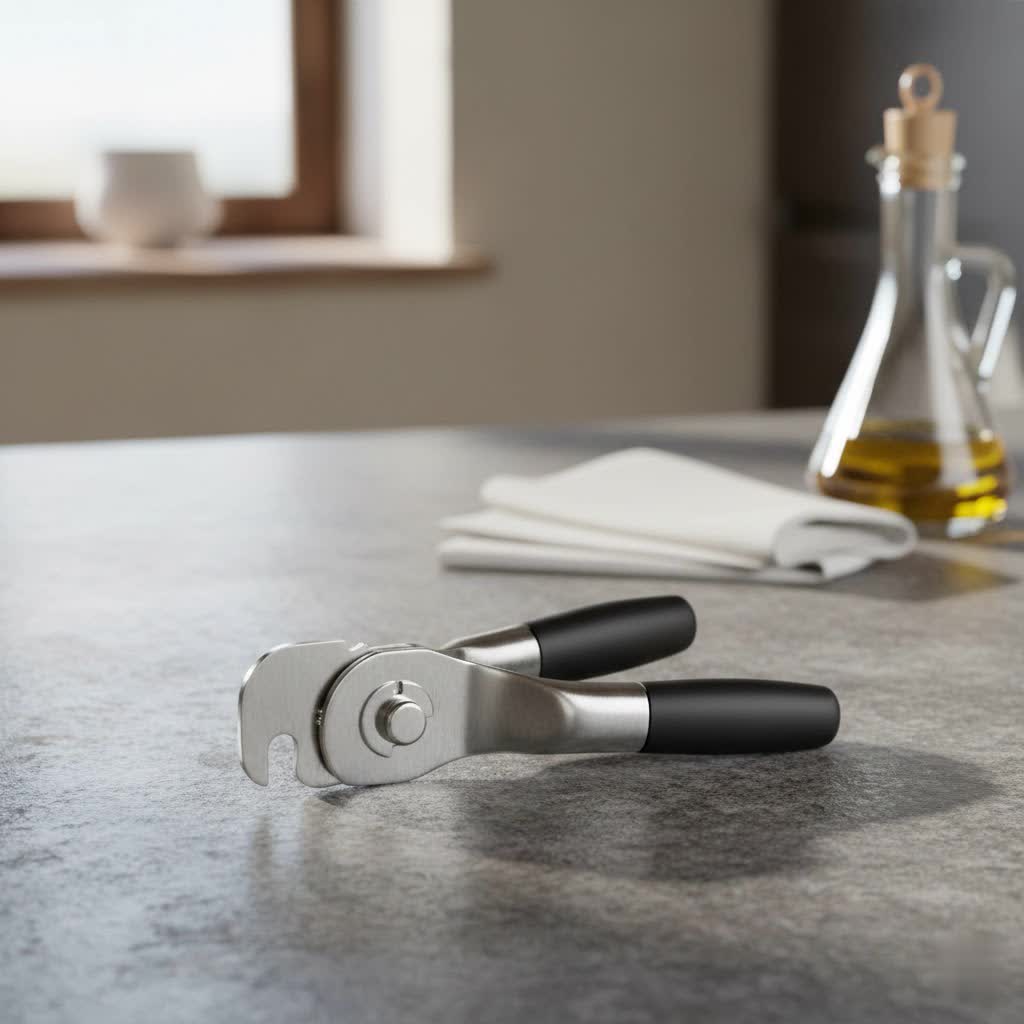
In a world filled with sophisticated kitchen gadgets, the humble Hand Can Opener often gets overlooked, yet it remains an indispensable tool for countless households. Whether you’re whipping up a quick weeknight dinner, preparing for a camping trip, or simply prefer the reliability of a manual tool, a quality hand can opener is a kitchen essential. With over a decade of experience as a technician and reviewer, I’ve seen countless models, from the simplest designs to the most innovative, and I’m here to guide you through selecting the perfect hand can opener that meets your needs and stands the test of time.
How to Choose the Best Hand Can Opener
Selecting the ideal hand can opener involves more than just picking the first one you see. The right tool can transform a frustrating kitchen task into a smooth, effortless experience, ensuring safety and efficiency with every use. Let’s delve into the different types and crucial factors to consider.
Popular Types of Hand Can Openers
Bảng trống.Understanding the variations in hand can opener designs can significantly impact your choice, aligning it with your preferences for safety, effort, and functionality. Each type offers a distinct approach to opening canned goods.
Traditional Top-Cut Manual Can Openers
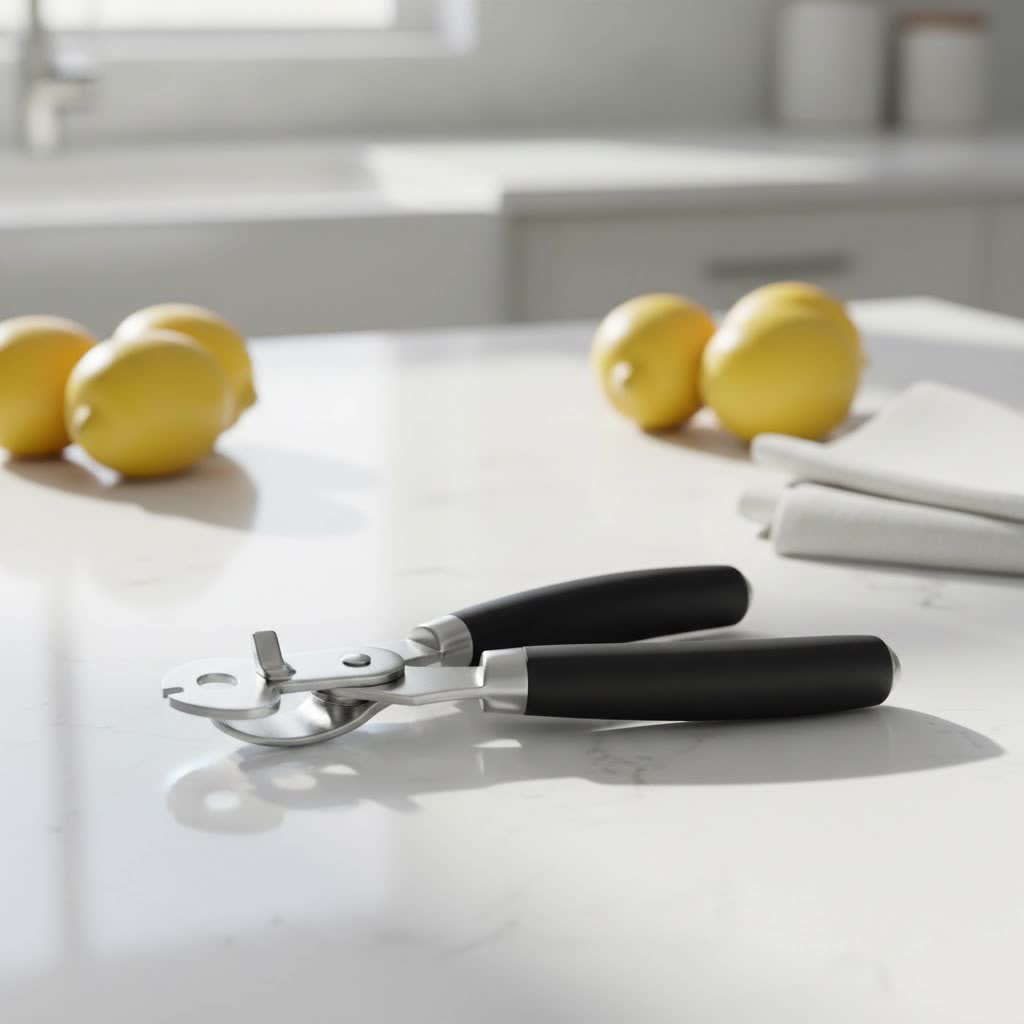
These are the classic, familiar two-handle devices that pierce the top of the can lid and cut downwards. They are generally inexpensive, compact, and highly portable, making them a common sight in most kitchens. While effective, traditional openers can leave behind sharp, jagged edges on the can and lid, which requires careful handling.
Smooth-Edge (Side-Cut) Manual Can Openers
Designed with safety in mind, side-cut can openers work by cutting along the side seam of the can, just below the rim. This method leaves a smooth, dull edge on both the can and the removed lid, significantly reducing the risk of accidental cuts. Many users find these models more hygienic as the cutting mechanism doesn’t touch the food inside the can. While they might have a slight learning curve, the safety benefits are often well worth it.
Versatile & Specialty Hand Can Openers
Beyond the two main types, some hand can openers come with added functionalities or are designed for specific needs. Multi-functional openers might include built-in bottle openers or pull-tab lifters. Heavy-duty models are constructed for increased leverage and durability, suitable for frequent use or tougher cans, and often feature robust stainless steel components.
Key Factors to Consider When Buying a Hand Can Opener
To ensure you invest in a hand can opener that genuinely serves you well, pay close attention to these critical aspects during your selection process. Each detail contributes to the overall user experience, from comfort to longevity.
-
Material: The materials used in a hand can opener’s construction dictate its durability, ease of cleaning, and overall feel.
- Stainless Steel: Often preferred for its strength, resistance to rust (though not entirely rust-proof, especially at pivot points), and sleek appearance. Stainless steel blades maintain sharpness longer and components like gears offer robust performance.
- High-Grade Plastic: Used for handles, high-quality plastic with soft-grip inserts can provide excellent ergonomics and comfort. Ensure any plastic components are sturdy and designed to withstand repeated pressure without cracking or bending.
-
Durability: A good hand can opener should be a long-term kitchen companion.
- Check User Reviews: Reviews often highlight common failure points or praise products that stand the test of time. Look for consistent positive feedback regarding longevity.
- Choose Reputable Brands: Brands known for kitchen tools often prioritize quality construction and offer better warranties. Companies like OXO and Rösle frequently appear in top recommendations for their robust designs.
- Examine Construction: Look for tight hinges, sturdy connections between parts, and a solid feel in your hand. Flimsy construction is a red flag for short lifespan.
-
Features: Modern hand can openers incorporate various features to enhance usability and safety.
- Ergonomic Handles: Comfortable, non-slip handles are paramount, especially for those with hand strength issues or when opening multiple cans. Soft-grip materials and larger handles can significantly reduce hand fatigue.
- Smooth Knob Operation: The turning knob should operate smoothly and effortlessly, allowing the cutting wheel to advance around the can without excessive force. A larger knob typically offers better grip and leverage.
- Safety (Smooth Edge): If avoiding sharp edges is a priority, a smooth-edge (side-cut) can opener is your best bet. This design minimizes cuts and allows the lid to be replaced for temporary storage.
- Lid-Gripping Magnets: Some models include a small magnet that latches onto the cut lid, allowing for hygienic and easy disposal without touching the lid directly.
- Multi-functionality: For added convenience, some hand can openers integrate other tools like bottle openers or pull-tab lifters, consolidating kitchen gadgets.
-
Price: Hand can openers come in a wide range of prices, reflecting their materials, design, and brand.
- Budget-Friendly: Basic models are often very affordable, typically under $15, but might compromise on comfort or longevity.
- Mid-Range: Between $15 and $30, you’ll find a good balance of durability, ergonomic design, and efficient cutting. Many popular and highly-rated models fall into this category.
- Premium Options: High-end can openers, sometimes exceeding $30 or $40, often feature superior stainless steel construction, advanced cutting mechanisms, and exceptional durability, designed to last for decades.
Comparison Table: Hand Can Opener Types
Choosing the right type depends on your priorities. This table offers a quick comparison to help you weigh the pros and cons.
| Feature | Traditional Top-Cut Manual | Smooth-Edge (Side-Cut) Manual | Versatile & Specialty Manual |
|---|---|---|---|
| Pros | Inexpensive, compact, widely available, simple to use. | Leaves smooth, safe edges; hygienic (doesn’t touch food); often sturdy. | Multi-functional (bottle opener, etc.); heavy-duty options available; enhanced grip. |
| Cons | Leaves sharp edges on can and lid; can be less ergonomic; requires more hand strength. | Can have a learning curve; generally more expensive; sometimes slower than traditional. | Might be bulkier; specific features may not be needed by everyone; can be pricey. |
Where to Buy Your Hand Can Opener
Finding a quality hand can opener is easier than ever with numerous retail options available, catering to different shopping preferences.
- Household Stores & Supermarkets: Most major retailers and grocery stores carry a selection of hand can openers. This allows you to physically inspect the product, feel its weight, and test the handles for comfort before purchasing.
- Online Retailers: Websites like Amazon, Wayfair, and specialty kitchenware sites offer an extensive range, often with detailed product descriptions, user reviews, and comparative pricing. This is an excellent option for researching specific models and reading unbiased feedback.
- Specialty Kitchen Stores: For those seeking premium or unique designs, specialty kitchen stores often stock higher-end brands and can provide expert advice.
Tips for Using and Maintaining Your Hand Can Opener
Proper usage and maintenance are key to extending the life of your hand can opener and ensuring it performs optimally every time. A little care goes a long way in preserving your investment.
- Clean After Each Use: Food residue can accumulate on the cutting wheel and gears, leading to rust or decreased performance. Wash your can opener with warm, soapy water immediately after use. For traditional models, pay close attention to the blade and gear area.
- Ensure Thorough Drying: Moisture is the enemy of metal. After washing, dry your can opener completely with a towel before storing it. Air drying can leave water spots and potentially lead to rust, especially in humid environments.
- Store in a Dry Place: Keep your hand can opener in a utensil drawer or on a knife magnet in a dry area of your kitchen. Avoid storing it near sinks or in damp cabinets where humidity can accelerate corrosion.
- Lubricate Periodically (if applicable): For models with exposed gears or pivot points, a tiny drop of food-grade mineral oil applied occasionally can help keep components moving smoothly and prevent rust. Check the manufacturer’s recommendations.
> “A truly great hand can opener isn’t just a tool; it’s an extension of your culinary efficiency, built to endure the rigors of daily kitchen life with reliable precision.” – Admin, reviewbdsaz.com
Conclusion
The humble hand can opener, though seemingly simple, plays a pivotal role in the modern kitchen, embodying reliability and enduring functionality. From the tried-and-true traditional models to innovative smooth-edge designs, choosing the right hand can opener depends on a blend of personal preference, safety considerations, and desired durability. By focusing on ergonomic comfort, robust materials like stainless steel, and user-friendly features, you can confidently select a tool that will serve you faithfully for years to come. Investing a little time in research and choosing wisely will ensure your hand can opener remains a trusty ally in all your culinary adventures.
What’s your favorite feature to look for in a new hand can opener?
Frequently Asked Questions
How do I open a can with a hand can opener if I have weak grip strength?
For those with weaker grip strength, look for hand can openers with large, soft-grip handles and oversized turning knobs. Side-cut models, which often require less squeezing force once engaged, or those with locking mechanisms can also significantly reduce strain and make the process easier.
Can hand can openers be sharpened, or should I replace them when they get dull?
While some heavy-duty or professional-grade hand can openers might be designed for blade replacement or sharpening, most consumer-grade models are not easily sharpened. When the blade or cutting wheel becomes dull and struggles to open cans cleanly, it’s generally more practical and safer to replace the entire unit to ensure optimal performance and avoid frustration.