Opening a can should be a simple task, not a test of strength or patience. Yet, many of us have wrestled with stubborn lids, leading to frustration, messy spills, or even painful cuts. In a modern kitchen, the right can opener is an indispensable tool, transforming a mundane chore into an effortless one. While KitchenAid is a household name renowned for its durable and stylish kitchen appliances, the landscape of can openers extends beyond a single brand. For those seeking efficiency and ease, understanding the various types, especially electric models, is key to finding your perfect kitchen companion.
Understanding KitchenAid’s Can Opener Offerings
When you hear “KitchenAid,” you likely think of powerful stand mixers and iconic designs. Their commitment to quality extends to smaller kitchen tools, including can openers. However, it’s important to differentiate between the types of can openers KitchenAid typically offers and what the term “Kitchenaid Electric Can Opener” often implies.
The Manual Excellence of KitchenAid
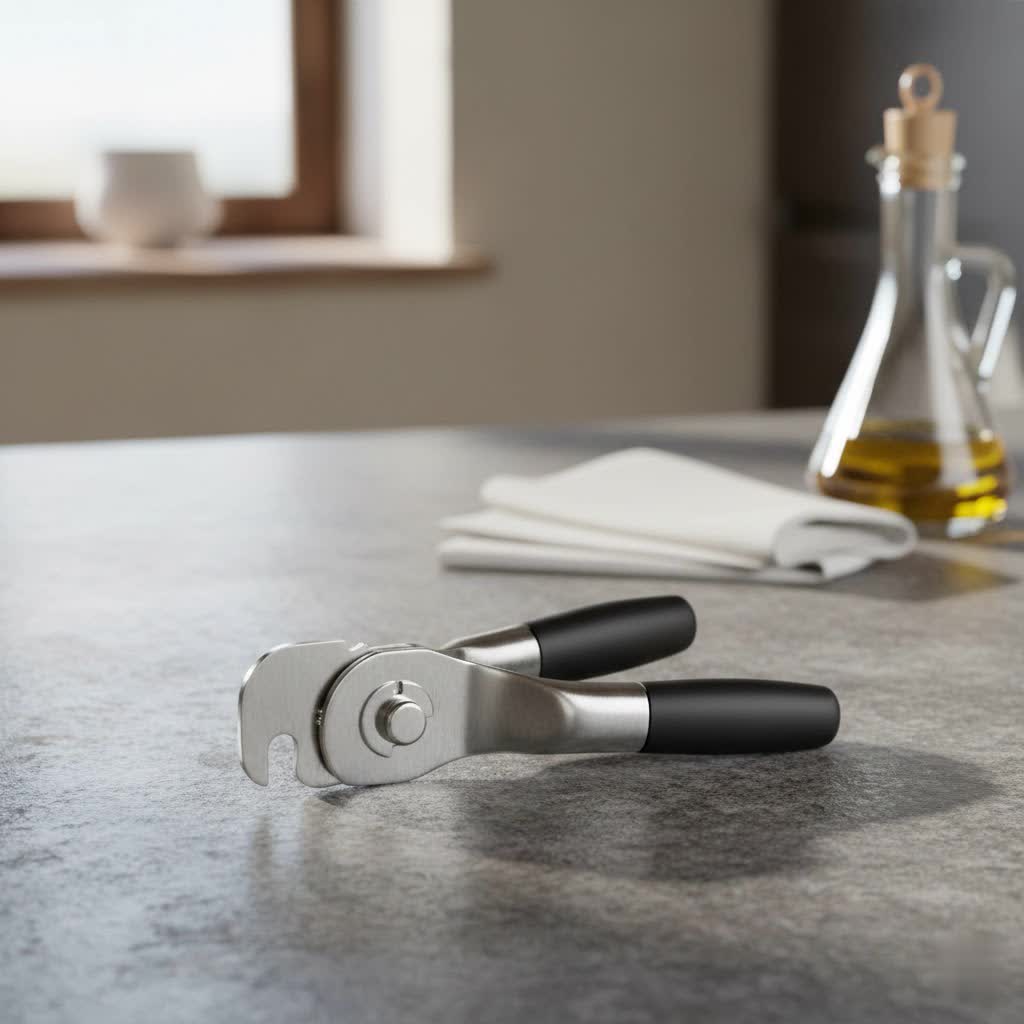
KitchenAid is primarily celebrated for its robust and reliable manual can openers. These are designed with user comfort and efficiency in mind, making them a top choice for many home cooks.
- Materials: Most KitchenAid manual can openers feature sharp, high-carbon stainless steel blades that effortlessly pierce and cut through can lids. The handles are often crafted from durable, high-grade plastic or rubberized materials for a comfortable, non-slip grip. These quality materials contribute to their longevity and consistent performance.
- Durability: Users frequently praise the sturdy construction of KitchenAid manual can openers. With proper care, these tools are known to last for years, standing up to daily use without issues. The robust gears and cutting mechanisms are built to maintain their effectiveness over time.
- Features: Many KitchenAid manual can openers include oversized knobs for easy turning, reducing strain on your hands. Ergonomic handles ensure a comfortable and secure grip, which is particularly beneficial for those with limited hand strength. Many models also incorporate a built-in bottle opener, adding versatility and saving valuable drawer space.
“A good manual can opener, like those from KitchenAid, offers reliability and control that many traditional cooks still prefer. It’s about simplicity and effectiveness.”
The Elusive Standalone KitchenAid Electric Can Opener
For those specifically searching for a “KitchenAid electric can opener,” the current market can be a bit misleading. KitchenAid does not currently produce a standalone electric can opener that sits on your countertop or operates handheld in the same way as models from brands like Cuisinart or Hamilton Beach.
Historically, KitchenAid did offer a can opener attachment for their iconic stand mixers. This attachment would utilize the mixer’s power hub to open cans. However, this specific attachment has been discontinued and is no longer part of KitchenAid’s current product line. You might find vintage models or replacement parts on secondary markets, but they are not readily available new.
The frequent search for “KitchenAid electric can opener” often stems from a desire for an electric model that either:
- Matches the signature colors and aesthetic of other KitchenAid appliances.
- Provides the effortless operation associated with electric tools, under the trusted KitchenAid brand name.
While KitchenAid itself doesn’t offer a modern electric option, understanding the benefits of electric can openers can help you explore excellent alternatives from other reputable brands that might still complement your kitchen’s style.
Why Consider an Electric Can Opener?
Electric can openers, whether countertop or handheld, offer a significant advantage in terms of ease and convenience. They are particularly beneficial for individuals who:
- Suffer from arthritis, carpal tunnel syndrome, or other hand dexterity issues.
- Need to open multiple cans frequently.
- Prefer a hands-free operation for safety or convenience.
- Want consistently smooth, safe edges on opened cans.
These devices eliminate the need for manual cranking and pressure, making can opening accessible and straightforward for almost everyone.
Key Factors When Choosing an Electric Can Opener
Even if KitchenAid doesn’t offer a standalone electric model, many other brands excel in this category. Here’s what to look for when selecting an electric can opener to ensure it meets your needs:
-
Material and Construction:
- Stainless Steel: Often indicates higher durability and a sleek, modern aesthetic that can complement other kitchen appliances. It’s also easier to clean and resists rust effectively.
- High-Quality Plastic: Can be lightweight and durable, but ensure it feels sturdy and well-built to avoid wobbling during operation.
-
Durability and Stability:
- Look for models with a wide, stable base if choosing a countertop unit. Rubberized feet are a plus, preventing the opener from sliding.
- For handheld electric openers, check reviews for how well they grip the can and how robust the internal mechanism feels.
-
Safety Features (Smooth Edge Cut):
- Many modern electric can openers feature a “side-cut” mechanism that removes the lid by cutting along the side seam, leaving a smooth, safe edge on both the can and the lid. This is a crucial safety feature, minimizing the risk of cuts.
- A magnetic lid holder is also common, which automatically lifts the lid once the cutting is complete, allowing for hands-free disposal.
-
Ease of Use:
- One-Touch Operation: The most convenient models require just a single press of a button to start and sometimes to stop and release the lid.
- Can Guide/Alignment: A good electric can opener should easily align the can for a perfect cut every time, minimizing spills and jamming.
- Accommodates Various Can Sizes: Ensure the model can handle different can heights and diameters, from small tuna cans to large institutional sizes.
-
Cleaning and Maintenance:
- Removable cutting levers or blades make cleaning significantly easier. Look for parts that can be hand-washed quickly or are dishwasher-safe.
- Regular cleaning prevents food residue buildup, which can dull blades or cause mechanisms to jam.
-
Power Source and Portability:
- Corded Countertop Models: Offer consistent power and are ideal if you have dedicated counter space.
- Battery-Operated Handheld Models: Provide flexibility and portability, often compact for easy storage. Keep in mind the need for battery replacements.
-
Price: Electric can openers vary in price from budget-friendly options to more premium models with advanced features. Compare features against your needs to find the best value.
Comparing Can Opener Types
To help you decide, here’s a quick comparison between typical KitchenAid manual can openers and general electric can opener characteristics:
| Feature / Type | KitchenAid Manual Can Opener | General Electric Can Opener (Other Brands) |
|---|---|---|
| Effort Required | Requires manual turning and pressure | Minimal to no manual effort, automatic operation |
| Power Source | Mechanical, no external power needed | Electric (corded for countertop, battery for handheld) |
| Edge Safety | Can leave traditional sharp edges; some side-cut manual exists | Often leaves smooth, safe edges (especially side-cut models) |
| Speed of Operation | Moderate, depends on user’s speed | Fast and consistent |
| Portability | Highly portable, no cords or batteries | Less portable (countertop), highly portable (handheld battery-operated) |
| Durability | High with proper care; simple mechanics | Varies by brand and build quality; relies on motor/electronics |
| Maintenance | Hand wash, dry thoroughly; occasional lubrication for pivots | Wipe clean; removable parts for washing (specific models) |
| Cost | Generally affordable | Typically higher than manual models |
| KitchenAid Offering | Primary offering, widely available | Not a current standalone product; historical mixer attachment (discontinued) |
Where to Find Electric Can Opener Alternatives (Matching KitchenAid Aesthetic)
Since KitchenAid doesn’t currently offer standalone electric can openers, you’ll need to look to other brands if an electric model is your preference. Many manufacturers produce electric can openers in a variety of colors, allowing you to find one that harmonizes with your existing KitchenAid appliances.
- Major Retailers: Online and brick-and-mortar appliance stores like Amazon, Best Buy, Target, and Walmart offer a wide selection of electric can openers from popular brands.
- Department Stores: Kitchen and home goods sections often carry various electric can opener models.
- Specialty Kitchen Stores: These stores may offer premium or niche electric can openers with unique features or designs.
When shopping, pay attention to customer reviews and ratings. Brands like Cuisinart, Hamilton Beach, and Kitchen Mama are frequently recommended for their reliable electric can openers, often available in colors that could integrate well with a KitchenAid-themed kitchen.
Tips for Using and Maintaining Your Can Opener
Whether you opt for a sturdy KitchenAid manual opener or a convenient electric model from another brand, proper use and maintenance are crucial for maximizing its lifespan and ensuring safe operation.
- Read the Manual: Always familiarize yourself with your specific can opener’s instructions. This is especially important for electric models to ensure correct placement and operation.
- Clean After Each Use: Food residue can dull blades and harbor bacteria. Hand wash cutting mechanisms with warm, soapy water immediately after use. For hard-to-reach areas, a small brush (like an old toothbrush) can be effective.
- Dry Thoroughly: Moisture can lead to rust, especially on steel blades. Dry your can opener completely before storing it.
- Proper Storage: Store can openers in a dry place to prevent rust and keep them away from potential damage.
- Replace When Worn: If your can opener starts skipping, struggling to cut, or producing sharp, jagged edges, it’s time for a replacement. A dull or malfunctioning can opener is not only inefficient but can also be a safety hazard.
Conclusion
While the term “KitchenAid electric can opener” might lead many to search for a standalone appliance, KitchenAid’s current focus for can openers lies in high-quality, durable manual designs. These manual openers, with their ergonomic handles and sharp blades, consistently deliver excellent performance. For those who require the effort-saving convenience of an electric model, the market offers a wealth of alternatives from other reputable brands, many of which can visually complement a KitchenAid-equipped kitchen.
Ultimately, the best can opener is the one that fits your lifestyle, offers ease of use, and ensures safety in your daily culinary adventures. By understanding the options and considering your specific needs, you can confidently choose the perfect tool for your kitchen. What kind of can opener best suits your cooking style and needs?