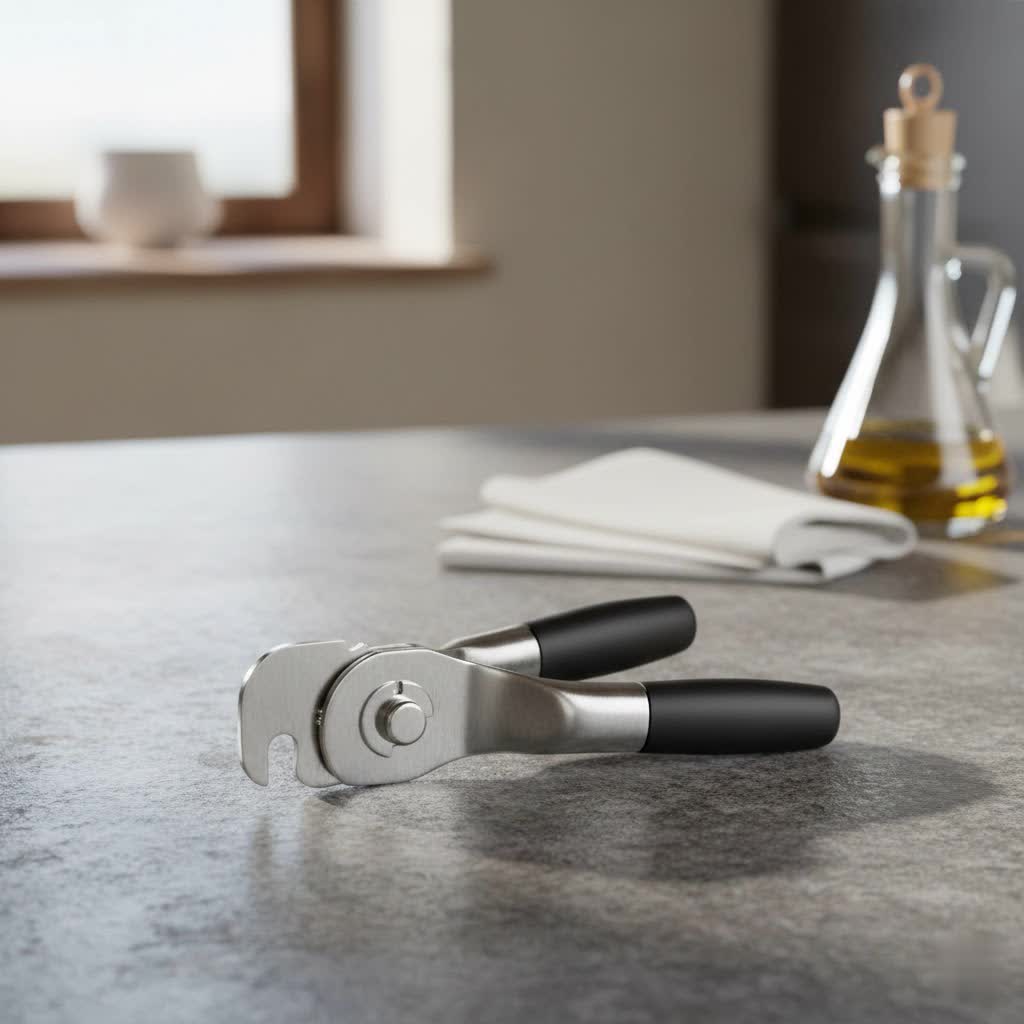
For the approximately 10% of the population who are left-handed, simple kitchen tasks can often feel like an uphill battle. Opening a can, something right-handers do without a second thought, frequently involves awkward maneuvering, discomfort, and even a risk of injury with standard can openers. These common tools are predominantly designed for right-handed use, requiring a counter-intuitive grip and turning motion for lefties. Imagine finally having a tool that aligns with your natural hand movements, making can opening a smooth, efficient, and comfortable experience. This comprehensive guide will navigate you through the world of left-handed can openers, ensuring you find the perfect match for your kitchen.
Understanding Left-Handed Can Openers
What exactly makes a can opener “left-handed”? The difference lies in its core design and mechanism. A true left-handed can opener is ingeniously engineered for dominant left-hand use. It’s designed to be held securely in your right (non-dominant) hand, allowing your stronger left hand to effortlessly turn the knob in a natural counter-clockwise direction. The internal gear mechanism, which drives the cutting wheel around the can, is positioned on the opposite side compared to a right-handed version, enabling this reversed yet intuitive operation.
The necessity for a dedicated left-handed can opener stems from the inherent design of standard models. When a left-handed person attempts to use a right-handed can opener, they often have to cross their arms or manipulate the tool in an unnatural way, which can be awkward, inefficient, and potentially unsafe. This “tied up in a knot” feeling, as many lefties describe it, can lead to slips, jagged edges, and frustration. A left-handed can opener eliminates this struggle, providing comfort, safety, and a significantly improved user experience. It allows lefties to perform a common kitchen task with the same ease and confidence as their right-handed counterparts, fostering a sense of inclusion in a world often built for the majority.
Types of Can Openers for Lefties
Finding the right can opener is crucial for left-handed individuals seeking comfort and efficiency in the kitchen. While traditional manual models are specifically re-engineered, other types offer ambidextrous solutions.
Traditional Manual Lefty Can Openers
|
Our Picks for the Best Can Opener in 2026
We may earn a commission when you use one of our links to make a purchase.
|
||
| Num | Product | Action |
|---|---|---|
| 1 | Commercial Can Opener, UHIYEE Hand Crank Can Opener Manual Heavy Duty with Comfortable Extra-long Handles, Oversized Knob, Large Handheld Can Open Easy for Big Cans, Black |

|
| 2 | GORILLA GRIP Heavy Duty Stainless Steel Smooth Edge Manual Can Opener, Soft Comfortable Handle, Large Handheld Turn Knob, Built-In Bottle Openers, US Designed, Holiday Prep Kitchen Essential, Black |
|
| 3 | Beneno Heavy Duty Hand Can Opener Manual with Magnet, Durable Sharp Carbon Steel Blade Smooth Cutting, Big Effort-Saving Knob & Soft Grip Handle, Multifunctional Kitchen Tool with Bottle Opener, Green |
|
| 4 | KitchenAid Classic Multifunction Can Opener and Bottle Opener Easy to Use, Razor Sharp Stainless Steel Cutting Wheel, Soft Ergonomic Handles, Empire Red |
|
| 5 | Zulay Kitchen Heavy Duty Stainless Steel Can Opener Manual with Bottle Opener - Rust Proof Manual Can Opener With Turn Knob & Comfy Soft Grip Handles - Black |
|
| 6 | Good Cook Can Opener, Safe Cut Manual Can Opener, no Sharp Can Edges, Black |
|
| 7 | KitchenAid Classic Multifunction Can Opener and Bottle Opener Easy to Use, Razor Sharp Stainless Steel Cutting Wheel, Soft Ergonomic Handles, Pistachio |
|
| 8 | Beneno Can Opener, Manual Side Safe Cut Can Opener Smooth Edge with Durable Sharp Blade, Effort-Saving Knob & Comfortable Non-slip Handle, Brown |
|
| 9 | OXO Good Grips Smooth Edge Can Opener |
|
| 10 | MARSWELL Hand Crank Can Opener Manual Heavy Duty, Commercial Can Openers with Ergonomic Rubber Coated Extra-Long Handles, Oversized Knob, Large Can Opener for Big Cans, Black |
|
These are the direct counterparts to standard manual can openers, but with their mechanics fully reversed to suit left-handed users. The cutting blade and gear mechanism are specifically manufactured and placed to facilitate holding the opener in the right hand and turning the crank counter-clockwise with the left hand. This design ensures a natural and ergonomic grip, making the opening process smooth and effortless. Look for models with sturdy construction and comfortable handles for the best experience.
Electric Can Openers
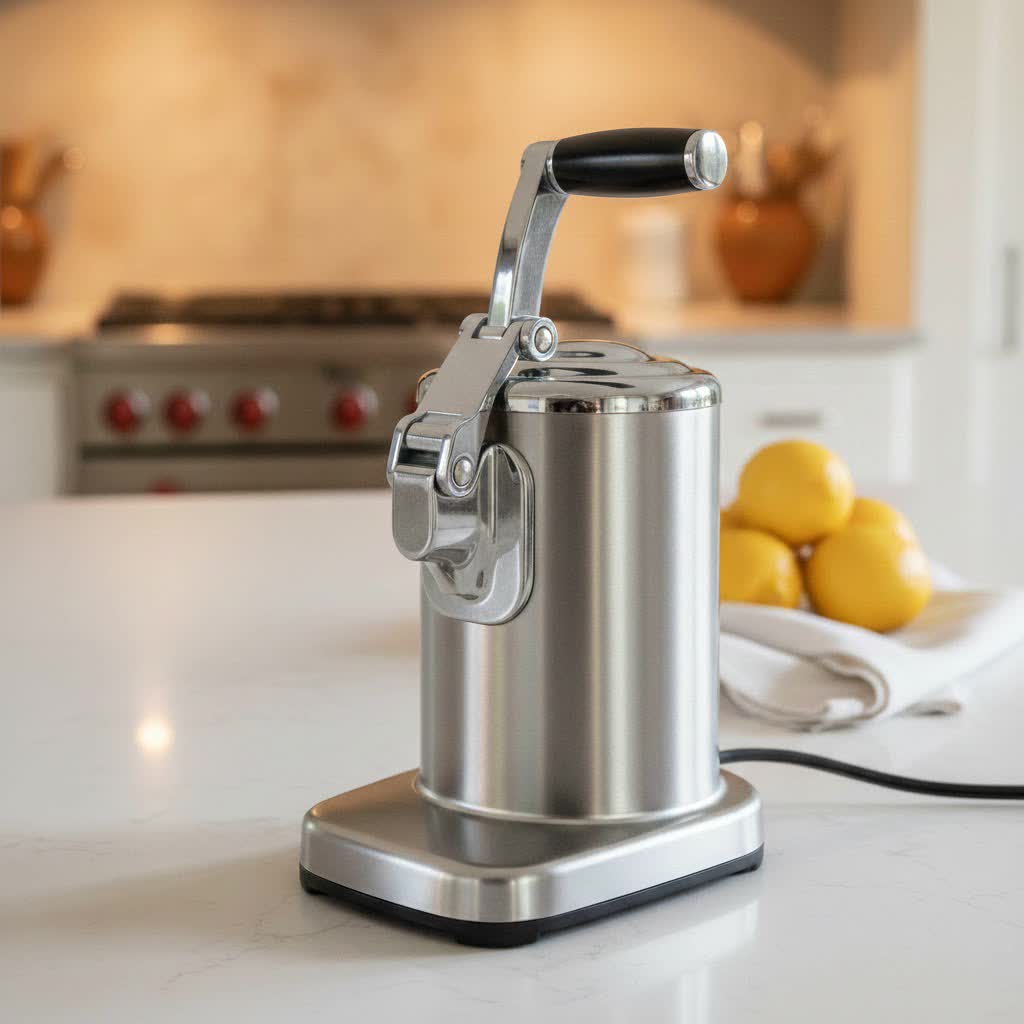
Electric can openers offer an excellent ambidextrous solution for anyone, including left-handers, who struggle with manual dexterity or simply prefer a hands-free operation. These devices automatically grip the can, pierce the lid, and rotate around the can with the push of a button, requiring minimal physical effort. Both tabletop and handheld electric models are available, offering convenience and consistent results without needing to adapt to a specific handedness.
Safety-Cut (Side-Cut) Can Openers
Also known as smooth-edge can openers, these tools cut along the side of the can, beneath the rim, rather than through the top. This method leaves a smooth, lid-like edge, eliminating sharp edges on both the can and the lid. Because they operate differently from traditional openers, often using a horizontal turning mechanism, many left-handed individuals find safety-cut can openers inherently easier and more comfortable to use, regardless of whether they are explicitly labeled “left-handed.” They offer an additional layer of safety and are a popular alternative for ambidextrous functionality.
Factors to Consider When Buying a Lefty Can Opener
Selecting the ideal left-handed can opener involves evaluating several key factors to ensure it meets your specific needs and provides lasting performance.
Material
The durability and longevity of your can opener largely depend on its construction materials.
- Stainless steel: Opt for models with stainless steel cutting heads and components for superior sharpness, rust resistance, and durability. This material ensures a clean cut and withstands regular use without corroding.
- High-quality plastic or heavy-duty handles: For the handles, look for high-grade plastic or other robust, ergonomic materials that offer a comfortable, non-slip grip.
Durability
A can opener should be a long-term kitchen companion.
- Check user reviews: Real-world feedback from other left-handed users can provide valuable insights into a product’s longevity and common issues.
- Choose reputable brands: Brands specializing in left-handed products or those known for high-quality kitchen tools often offer better warranties and customer support.
Features
Modern can openers can offer more than just opening cans.
- Multifunctional utility: Many left-handed can openers come with an integrated bottle opener, adding convenience to a single tool.
- Smooth-edge blades: Some designs aim to leave a smooth edge on the can, reducing the risk of cuts.
- Ergonomic design: Beyond handedness, consider the overall comfort of the grip. Handles shaped to fit the left hand can significantly enhance the user experience.
Ease of Use
Ultimately, the can opener should simplify your life.
- Smooth turning mechanism: A key differentiator for left-handed can openers is an easy-to-turn knob that rotates counter-clockwise with your dominant left hand.
- Comfortable handles: Well-designed handles reduce strain and allow for a firm, steady grip while operating the tool.
Price
Can openers are available across a spectrum of prices, varying by type and features.
- Manual can openers: These are generally the most affordable, typically ranging from $10 to $20 for a quality left-handed model.
- Electric and safety-cut openers: These might have a higher upfront cost but can offer enhanced convenience or safety benefits. Compare features against your budget and needs to find the best value.
Where to Buy Left-Handed Can Openers
Finding specialized left-handed products can sometimes be a challenge, but several avenues exist for purchasing the ideal left-handed can opener.
- Specialty Left-Handed Stores: Retailers dedicated to left-handed products, like Lefty’s The Left Handed Store (www.leftyslefthanded.com) or Anything Left-Handed (www.anythinglefthanded.co.uk), are excellent resources. These stores curate products specifically designed for lefties and can offer a wide selection of can openers.
- Online Marketplaces: Large e-commerce platforms such as Amazon and Walmart often carry a variety of left-handed can openers, including models from specialty brands. Be sure to filter your searches carefully and read product descriptions and reviews to ensure the opener is genuinely designed for left-handed use.
- General Household Stores: While less likely to stock explicitly “left-handed” manual can openers, these stores are good places to find electric or safety-cut can openers, which are often ambidextrous and suitable for left-handed users.
Tips for Using and Maintaining Your Lefty Can Opener
To ensure your left-handed can opener performs optimally and lasts for years, proper usage and maintenance are essential.
- Proper Positioning and Turning Technique: For manual Lefty Can Openers, hold the can opener firmly in your right hand, positioning the cutting wheel just inside the can’s rim. Use your left hand to turn the knob in a smooth, continuous counter-clockwise motion. This aligns with the natural movement for left-handers, minimizing effort and maximizing control.
- Clean After Each Use: Food residue can dull blades and harbor bacteria. Wash your can opener with warm, soapy water immediately after use. For tough spots, a small brush can help dislodge food particles from the gears and blade. Rinse thoroughly and dry completely to prevent rust, especially on stainless steel components.
- Store in a Dry Place: Moisture is the enemy of metal. After cleaning and drying, store your can opener in a dry drawer or on a utensil rack to prevent corrosion.
- Occasional Lubrication (Manual Models): If your manual can opener’s turning mechanism starts to feel stiff, a tiny drop of food-grade mineral oil on the moving parts can help maintain its smooth operation. This is rarely needed for modern designs but can extend the life of older or frequently used models.
Conclusion
Navigating a right-handed world as a left-hander can present unique challenges, even for seemingly simple tasks like opening a can. However, with the right tools, these everyday frustrations can become a thing of the past. A dedicated left-handed can opener, designed with reversed mechanisms for a natural counter-clockwise turn, transforms this task into a comfortable, safe, and efficient experience. Whether you opt for a specially engineered manual model, the convenience of an electric opener, or the safety of a side-cut design, investing in a can opener suited to your handedness is an investment in your comfort and culinary independence. Don’t let awkward kitchen tools hold you back – embrace the ease and confidence that come with equipment truly designed for you. What change will you make in your kitchen today to better suit your left-handed needs?
Câu Hỏi Thường Gặp
How is a left-handed can opener different from a right-handed one?
A left-handed can opener is designed to be held in the right hand, with the left hand turning the knob counter-clockwise, which is the natural motion for left-handers. Its internal gear mechanism is reversed compared to a right-handed version, allowing for comfortable and efficient operation for left-dominant individuals.
Can left-handers use electric can openers?
Yes, electric can openers are generally ambidextrous and an excellent choice for left-handers. They operate automatically with minimal manual effort, making them easy and convenient for anyone, regardless of handedness, to open cans smoothly and efficiently.
Are safety-cut can openers good for lefties?
Many left-handed individuals find safety-cut (or side-cut) can openers easier to use than traditional manual models. Because they cut along the side of the can and often use a different turning mechanism, they can be more comfortable and intuitive for lefties, while also providing the added benefit of smooth, safe edges.
Why do left-handed people struggle with regular can openers?
Standard can openers are designed for right-handed users, requiring a clockwise turning motion with the right hand while holding the can opener with the left. This orientation forces left-handers into an awkward, unnatural grip and turning motion, leading to discomfort, inefficiency, and a higher risk of slips or injuries.
What materials are best for a durable left-handed can opener?
For durability and optimal performance, look for left-handed can openers with stainless steel cutting heads and components, as they are resistant to rust and maintain sharpness. Handles made from high-quality, heavy-duty plastic or ergonomic materials ensure a comfortable and secure grip during use.