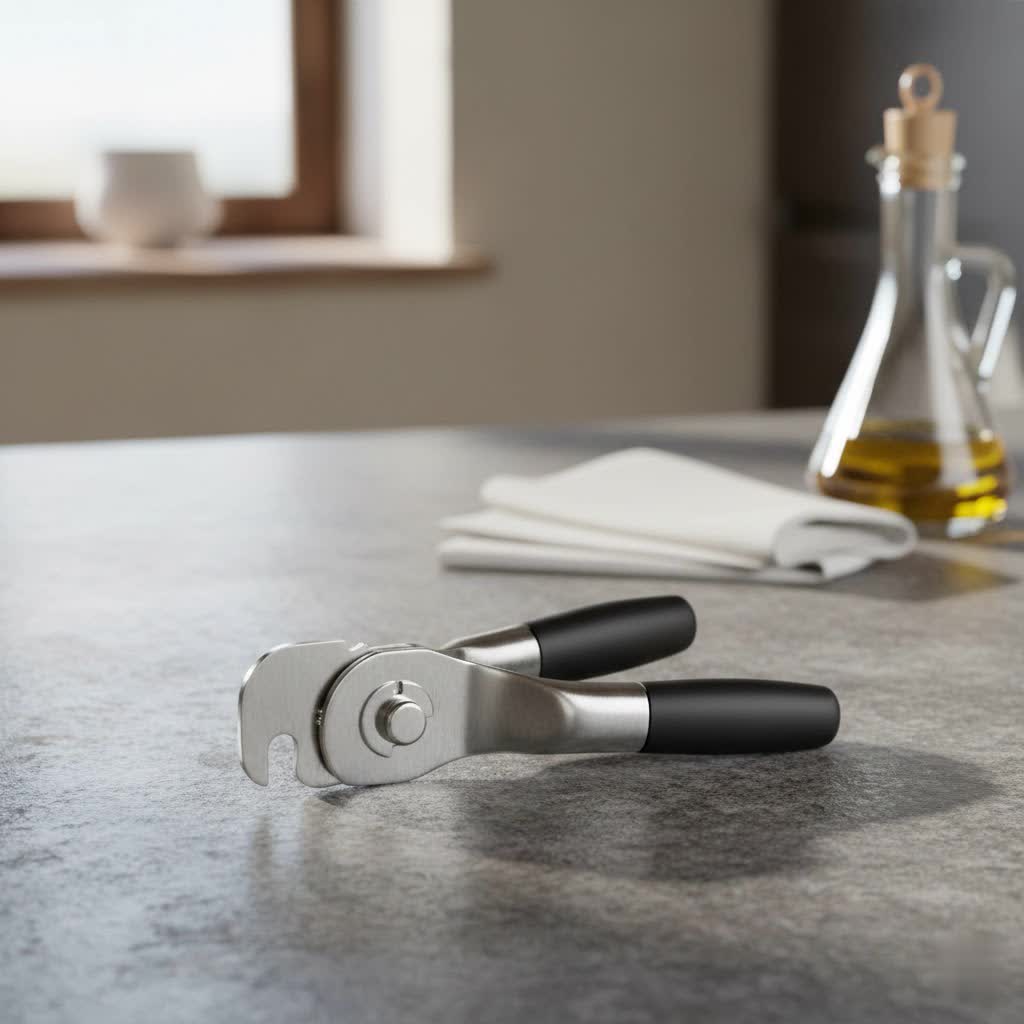
In a world brimming with electric gadgets and smart kitchen appliances, the humble can opener often gets overlooked. Yet, before the sleek, automatic models of today, generations relied on a diverse array of “Old Can Openers” – ingenious devices that tell a fascinating story of human innovation, resilience, and practicality. As a technician with over a decade of hands-on experience, I’ve delved deep into the mechanics and history of these vintage tools, discovering that their charm extends far beyond mere nostalgia. Choosing the right can opener, especially an older model, isn’t just about functionality; it’s about appreciating a piece of culinary history. This guide will take you through the evolution, types, usage, and enduring appeal of these robust kitchen companions.
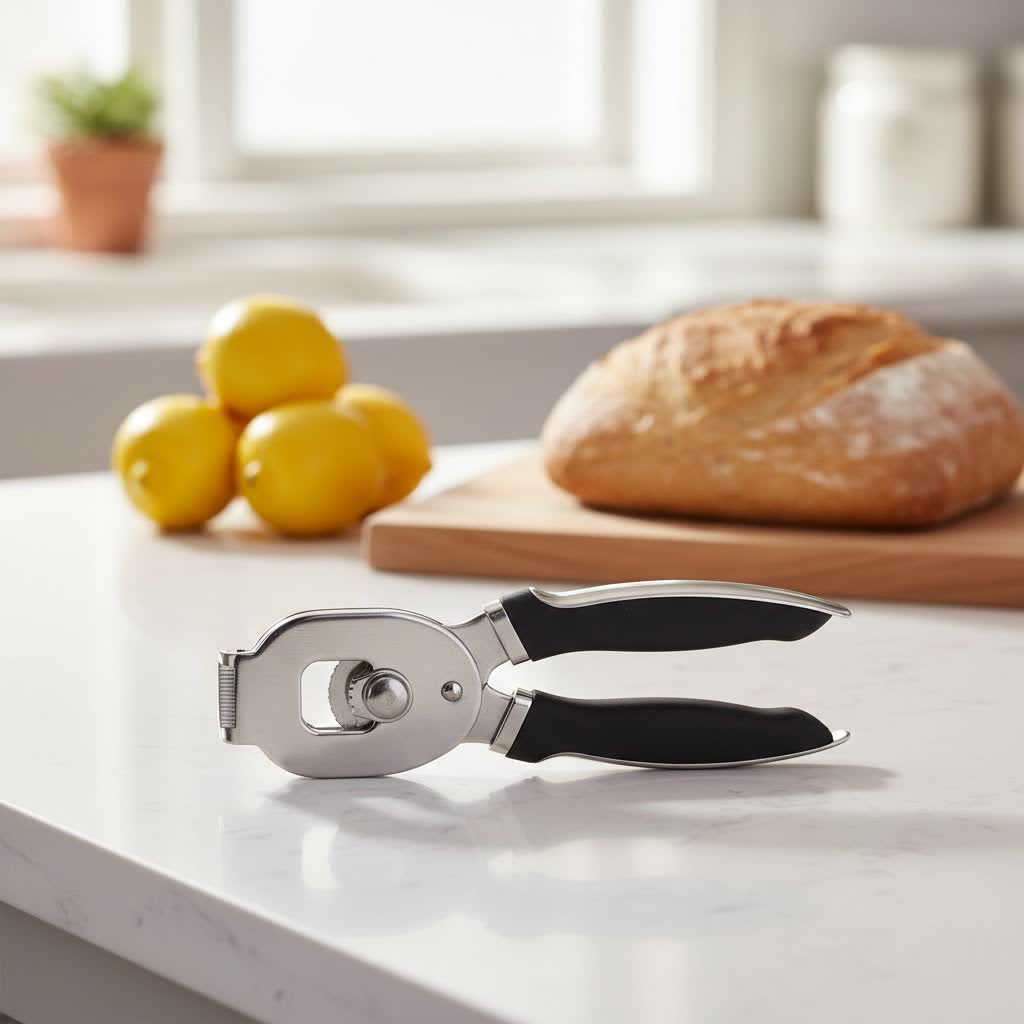
A Journey Through Time: The Fascinating History of the Can Opener
Canned food was invented in 1810 to feed Napoleon’s army, but for nearly 50 years, opening these early, thick-walled tin cans was a formidable task, often requiring hammers, chisels, or even bayonets. It wasn’t until the mid-19th century that dedicated tools began to emerge, transforming food preservation from a struggle into a simple convenience.
The first patented can opener appeared in 1855 in England, a basic lever-type design by Robert Yeates. This was swiftly followed in 1858 by Ezra Warner’s American patent, a robust, sickle-like tool adopted by the U.S. Army during the Civil War. These early models required significant effort, piercing the lid and then “sawing” around the edge, often leaving sharp, jagged rims. Decorative versions, like the “Bull’s Head” opener, also emerged around this time, combining utility with a touch of artistry.
A significant leap forward came in 1870 with William Lyman’s invention of the rotary cutting wheel, marking the beginning of the crank-style can opener. However, these early rotary designs were often cumbersome. The truly user-friendly, familiar crank-and-gear mechanism, with two opposing wheels (one to grip, one to cut), was refined in the 1920s and patented in its most recognizable form by Charles Arthur Bunker in 1931. This design became the standard for manual can openers.
Electric can openers, first patented in the early 1930s, gained widespread popularity in the 1950s, promising effortless opening. Alongside these advancements, specialized openers like the compact P-38 and P-51 military can openers, known for their rugged simplicity, and the versatile “church key” for flat-top cans and bottle caps, cemented their place in history. Each iteration solved a specific problem, reflecting evolving materials and user needs.
Discovering the Diverse World of Old Can Opener Types
The landscape of old can openers is surprisingly varied, each type with its own unique design, operation, and historical context. Understanding these differences is key to appreciating their enduring utility.
1. Lever-Type and Piercing Can Openers
These are among the earliest designs, characterized by a single, sharp blade often affixed to a handle. They typically feature a pointed end for puncturing and a curved or straight edge for cutting.
- Description: Simple, often robust, with minimal moving parts. Designs like the Ezra Warner or “Bull’s Head” are prime examples.
- How They Work: The user first pierces the can lid with the sharp point, then leverages the tool to “saw” or pry the lid open by working around the can’s circumference.
- Pros: Incredible durability due to their simple construction, making them nearly indestructible. Many can still function effectively today.
- Cons: Requires considerable hand strength and skill, often leaving behind sharp, uneven edges. They can be messy, and the process is slower than with modern designs.
2. Early Rotary (Crank-Style) Can Openers
Evolving from William Lyman’s 1870 patent, these represent the transition towards a more mechanized and less labor-intensive approach.
- Description: These openers use a cutting wheel and a gear that grips the can’s rim. Early versions could be a bit unwieldy, often requiring two hands and a strong grip to align properly.
- How They Work: The can is clamped between a serrated drive wheel and a cutting wheel. Turning a crank handle rotates the can, allowing the cutting wheel to slice through the lid just inside the rim.
- Evolution: The addition of a second, opposing serrated wheel around the 1920s dramatically improved their ease of use, making them the standard manual can opener we recognize today.
- Pros: Provides a cleaner and more consistent cut than lever-type openers, with less physical effort.
- Cons: Older models can be prone to jamming or slipping if the gears are worn or misaligned. They require more maintenance than lever types, such as occasional lubrication.
3. Military-Issue Can Openers (P-38 & P-51)
These small, portable openers are icons of wartime ingenuity and minimalist design.
- Description: Measuring approximately 1.5 to 2 inches, these openers consist of a small, hinged blade and a short handle, often stamped with “U.S.” and a manufacturer’s mark.
- How They Work: The user hooks the small blade under the can’s rim, pierces the lid, and then “walks” the opener around the edge in a series of short cuts. The P-38’s design is particularly known for its compact size and efficiency.
- Pros: Extremely durable, lightweight, and pocket-sized, making them ideal for camping, emergency kits, or military field use. They are nearly indestructible and have no moving parts to break.
- Cons: The process is slow and requires precision. Like lever types, they can leave sharp edges.
4. Church Key and Bottle/Can Combination Openers
Originally designed for bottle caps, the “church key” adapted to serve a dual purpose with the advent of specific can designs.
- Description: A flat piece of metal with a pointed end for piercing cans and a hook-shaped end for prying off bottle caps.
- How They Work: The pointed end is used to punch triangular holes into the flat tops of older beer or juice cans, allowing the contents to be poured. The other end grips and levers off bottle caps.
- Historical Context: Became popular in the 1930s with the introduction of flat-top steel beer cans, which pre-dated pull-tabs.
- Pros: Versatile, incredibly simple, and practically indestructible. Many remain in use today for both bottles and older-style cans.
- Cons: Limited to specific can types (flat-tops) and does not open modern rolled-edge cans.
What Makes an Old Can Opener Stand the Test of Time? Factors to Consider
The enduring appeal and functionality of old can openers lie in several key attributes that often set them apart from their modern counterparts.
- Material Quality: Vintage can openers often boast superior construction materials. You’ll frequently find models made from cast iron, high-carbon steel, Bakelite, or sturdy hardwoods. These materials were chosen for their durability and longevity, often resulting in tools that outlast several generations. Modern openers sometimes opt for lighter, less durable plastics or thinner metals to cut costs.
- Durability and Construction: Look for designs with minimal moving parts and solid, robust mechanisms. Early lever-type openers, with their forged or cast bodies, are prime examples of tools built to withstand decades of rigorous use. Even older crank-style openers often feature thicker gears and sturdier handles than many contemporary equivalents. Their resilience is a testament to the engineering principles of their era.
- Ease of Use (and learning curve): While some old can openers, particularly the very early piercing types, demand a certain technique and hand strength, many manual crank-style openers from the mid-20th century are remarkably straightforward. The challenge sometimes lies in adapting to their specific mechanics, which might differ from the “side-cutting” openers popular today. However, once mastered, their operation is often smooth and reliable.
- Maintenance & Care: One of the most appealing aspects of old can openers is their ease of maintenance. Simple models require little more than occasional cleaning. For those with moving parts, a drop of food-grade mineral oil can revitalize a stiff mechanism, allowing it to glide smoothly. This hands-on maintenance fosters a sense of connection to the tool and ensures its longevity.
The Allure of Collecting Old Can Openers
For many, old can openers are more than just kitchen tools; they are tangible pieces of history, design, and cultural heritage.
- Niche Market: The world of can opener collecting is a vibrant, albeit niche, market. Enthusiasts appreciate the historical significance, the ingenuity of early designs, and the sheer variety of forms these utilitarian objects have taken over the decades. Each opener often tells a story about the era it came from, reflecting industrial design, material availability, and societal needs.
- Identifying Collectibles: Certain characteristics can make an old can opener particularly collectible. These include unique patent markings, unusual or artistic shapes (such as the “Bull’s Head” opener or figural designs), specific historical associations (like Civil War era or WWII military models), and advertising on the handles. Openers made from rare materials or those in excellent condition are also highly sought after.
- Value: While many common vintage can openers can be acquired for a few dollars, rare or historically significant pieces can fetch higher prices. For instance, early patented models, unique advertising examples, or complete sets from a particular era can be quite valuable. The value often hinges on rarity, condition, and the presence of any original branding or patent information. Bottle and can combination openers with specific brewery advertising are also popular among collectors.
Reviving a Classic: Tips for Using and Maintaining Your Old Can Opener
If you’ve inherited a vintage can opener or found one at a flea market, bringing it back to life or keeping it in prime condition is a rewarding endeavor.
- Proper Grip and Technique: The most crucial step is understanding how your specific old can opener works. For lever-type openers, practice puncturing the can firmly and then making small, overlapping cuts around the rim. With crank-style openers, ensure the cutting wheel and drive gear are properly aligned on the can’s rim before applying pressure and turning the handle. Sometimes, a slightly different angle or more pressure is all it takes.
- Cleaning After Each Use: Simple hygiene is paramount. After each use, wash your old can opener with warm, soapy water. Pay special attention to the cutting wheel and gears, using a small brush if necessary, to remove any food particles.
- Drying Thoroughly: This is critical, especially for steel or cast-iron models prone to rust. After washing, dry the opener immediately and completely with a towel. For hard-to-reach crevices, a blast of compressed air can help, or simply letting it air dry in a warm, dry spot.
- Lubrication (If Needed): For mechanical crank-style openers, a small drop of food-grade mineral oil applied to the pivot points and gears periodically can keep the mechanism smooth and prevent stiffness. Avoid heavy oils that can attract dirt or become gummy.
- Troubleshooting Common Issues:
- Dull Blades: Over time, cutting blades can dull. While some modern sharpeners exist for certain types, for very old or unique blades, professional sharpening might be an option, or it might be a characteristic to accept for historical accuracy.
- Sticky Mechanisms: Often solved by thorough cleaning and lubrication. If rust is present, a gentle scrub with a fine steel wool and then re-oiling can help.
- Loose Handles: For openers with wooden handles, ensure they are securely fastened. Tightening screws or applying wood glue can sometimes fix wobbles.
“There’s an undeniable charm to a tool that has outlasted generations, a testament to craftsmanship and simpler mechanics. An old can opener isn’t just a kitchen gadget; it’s a bridge to the past.”
Conclusion
From the brute force of early piercing tools to the elegant rotation of crank-style designs and the minimalist efficiency of military models, old can openers offer a rich narrative of human ingenuity in the kitchen. They embody a bygone era’s commitment to durability and function, often outliving their more complex modern counterparts. Embracing an old can opener means more than just opening a can; it means appreciating history, understanding simple mechanics, and perhaps even engaging in a delightful piece of culinary archeology. Their timeless designs and steadfast performance remind us that sometimes, the best tools are those that have stood the test of time.
What old kitchen tool do you find most fascinating and why?