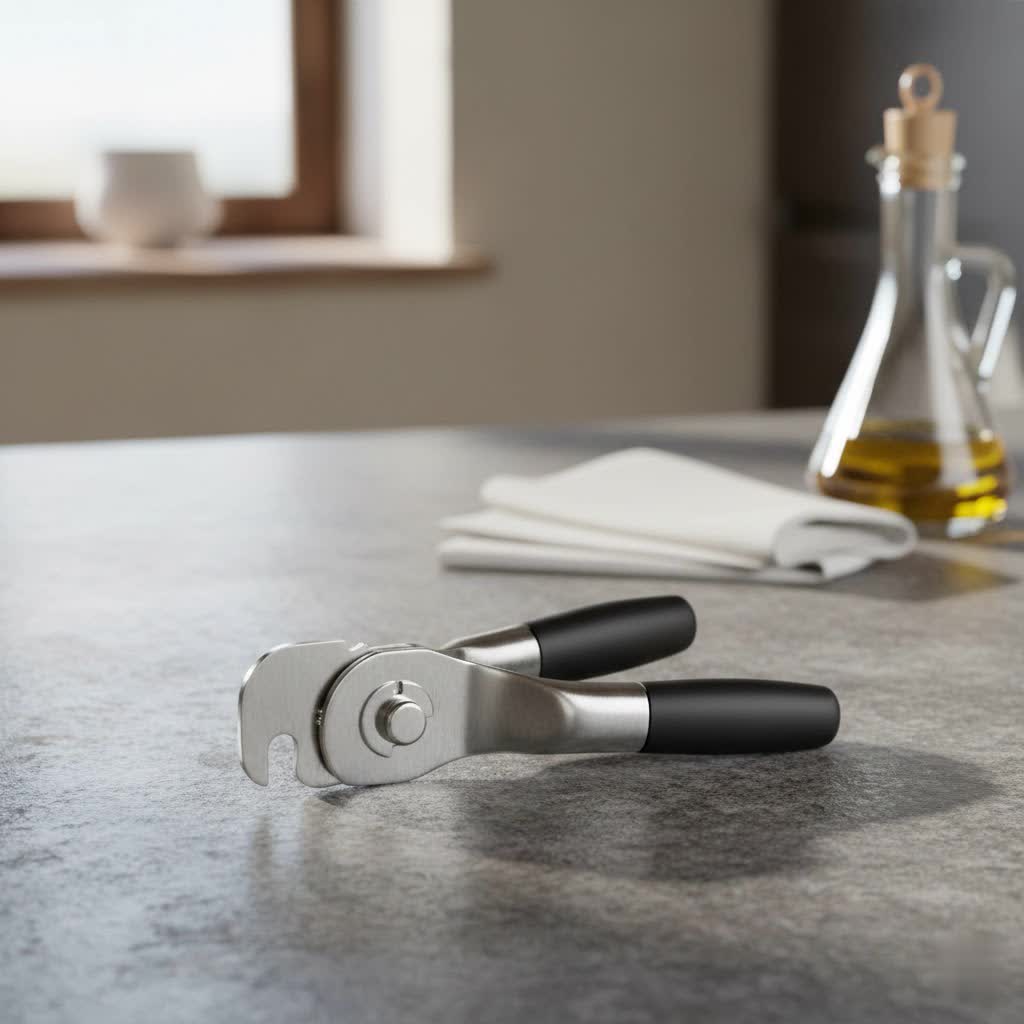
In a world brimming with smart gadgets and automated kitchen appliances, there’s a certain comfort and steadfast reliability found in the humble old-fashioned can opener. For many, it’s more than just a tool; it’s a piece of culinary history, a testament to simple, effective design that has stood the test of time. While electric models offer convenience, the manual can opener, in its various “old fashioned” forms, provides unparalleled dependability, portability, and a satisfying sense of control. If you’re looking to embrace the durability and straightforward functionality that only a classic kitchen tool can offer, understanding the nuances of these timeless devices is key to selecting the perfect one for your home.
A Guide to Choosing the Best Old-Fashioned Can Opener
Selecting the ideal old-fashioned can opener involves appreciating its design, understanding its mechanics, and considering what makes it a reliable companion in your kitchen. These tools might be simple, but the right one can make a significant difference in your daily cooking routine, ensuring frustration-free can opening every time.
The Enduring Types of Manual Can Openers
When we talk about “old-fashioned” can openers, we’re primarily referring to manual designs that rely on human power and clever mechanics rather than electricity. These come in a few distinct forms, each with its own advantages.
-
Traditional Handheld (Lever-Type) Can Openers: These are often the most basic and arguably the oldest style still in use. Characterized by a single piece of metal with a sharp point and a lever, they require you to pierce the can’s lid and then use leverage to cut around the rim. Think of the simple “church key” style, though more complex lever-action designs also exist. They are incredibly compact and nearly indestructible, making them excellent for camping or emergency kits. However, they demand more physical effort and careful handling to avoid sharp edges.
-
Rotary/Geared Can Openers: This is perhaps what most people picture when they hear “old-fashioned can opener.” These pliers-style openers feature two handles, a cutting wheel, and a serrated gear that grips the can’s rim, along with a turning knob or crank. Once clamped onto the can, rotating the knob allows the cutting wheel to smoothly slice through the lid. They are much easier to use than the lever-type and offer a more consistent cut, though they still leave a traditional sharp edge. Brands like OXO and Swing-A-Way are popular for their reliable rotary models, often praised for their ergonomic handles and smooth operation.
-
Multi-functional Can Openers: Many manual can openers, particularly the rotary type, often integrate additional features, enhancing their utility beyond just opening cans. These can include a bottle opener, a jar opener, or even a simple prying tool built into the handle or body of the device. This multi-purpose design adds convenience, reducing the need for multiple single-function gadgets in your kitchen drawer. While not a distinct “type” of opener in terms of how it cuts a can, it’s a common characteristic of many classic manual models.
|
Our Picks for the Best Can Opener in 2026
We may earn a commission when you use one of our links to make a purchase.
|
||
| Num | Product | Action |
|---|---|---|
| 1 | Commercial Can Opener, UHIYEE Hand Crank Can Opener Manual Heavy Duty with Comfortable Extra-long Handles, Oversized Knob, Large Handheld Can Open Easy for Big Cans, Black |

|
| 2 | KitchenAid Classic Multifunction Can Opener and Bottle Opener Easy to Use, Razor Sharp Stainless Steel Cutting Wheel, Soft Ergonomic Handles, Pistachio |
|
| 3 | GORILLA GRIP Heavy Duty Stainless Steel Smooth Edge Manual Can Opener, Soft Comfortable Handle, Large Handheld Turn Knob, Built-In Bottle Openers, US Designed, Holiday Prep Kitchen Essential, Black |
|
| 4 | Good Cook Can Opener, Safe Cut Manual Can Opener, no Sharp Can Edges, Black |
|
| 5 | OXO Good Grips Smooth Edge Can Opener |
|
| 6 | KitchenAid Classic Multifunction Can Opener and Bottle Opener Easy to Use, Razor Sharp Stainless Steel Cutting Wheel, Soft Ergonomic Handles, Empire Red |
|
| 7 | Beneno Heavy Duty Hand Can Opener Manual with Magnet, Durable Sharp Carbon Steel Blade Smooth Cutting, Big Effort-Saving Knob & Soft Grip Handle, Multifunctional Kitchen Tool with Bottle Opener, Green |
|
| 8 | Beneno Can Opener, Manual Side Safe Cut Can Opener Smooth Edge with Durable Sharp Blade, Effort-Saving Knob & Comfortable Non-slip Handle, Brown |
|
| 9 | Zulay Kitchen Heavy Duty Stainless Steel Can Opener Manual with Bottle Opener - Rust Proof Manual Can Opener With Turn Knob & Comfy Soft Grip Handles - Black |
|
| 10 | MARSWELL Hand Crank Can Opener Manual Heavy Duty, Commercial Can Openers with Ergonomic Rubber Coated Extra-Long Handles, Oversized Knob, Large Can Opener for Big Cans, Black |
|
Key Factors When Selecting Your Can Opener
The simplicity of an old-fashioned can opener doesn’t mean you should overlook important considerations when making a purchase. A careful choice ensures longevity and user satisfaction.
-
Material: The material composition directly impacts both durability and hygiene.
- Stainless Steel: For the cutting wheel and crucial geared components, stainless steel is the gold standard. It offers superior rust resistance and maintains a sharp edge longer than other metals, ensuring smooth, clean cuts for years. Look for solid stainless steel construction in the working parts.
- High-Quality Plastic/Rubber: While metal is preferred for cutting components, handles often benefit from ergonomic designs using high-quality plastic or rubber. These materials provide a comfortable, non-slip grip, which is particularly important for applying pressure and turning the crank, especially when hands are wet.
-
Durability: A truly old-fashioned can opener is one that lasts.
- Check User Reviews: Reputable brands often have a history of producing resilient products. Examining reviews from long-term users can reveal how well a particular model holds up to regular use over time, noting any common failure points.
- Choose Reputable Brands: Brands like OXO, EZ-DUZ-IT, and Rösle are frequently lauded for their robust manual can openers, often made with sturdy, minimal plastic components in critical areas, ensuring they are built to last through countless meals.
-
Features: Even basic manual can openers can come with thoughtful design elements that improve their functionality.
- Comfortable Grip: Ergonomically designed handles with soft, non-slip grips can drastically improve comfort and reduce strain, especially if you open many cans or have limited hand strength.
- Smooth-Turning Knob: A large, easy-to-grip knob that turns smoothly and efficiently with minimal effort is a sign of good engineering, making the cutting process effortless.
- Magnetic Lid Lifter: Some rotary can openers include a small magnet that automatically lifts the lid once cut, preventing it from falling into the food and making disposal safer and more hygienic.
-
Price: The cost of an old-fashioned can opener can vary significantly, reflecting differences in material quality, brand reputation, and added features.
- Understand Price Segments: You can find basic, functional models for under $10, while high-end, heavy-duty stainless steel options from premium brands might cost $30-$50 or more.
- Compare Value: Consider your frequency of use and budget. An inexpensive model might suffice for occasional use, but a slightly higher investment in a robust, well-designed old-fashioned can opener will pay off in reliability and longevity.
Comparing Manual Can Opener Styles
Understanding the differences between the primary types of can openers helps in making an informed decision, especially when comparing traditional manual tools with their more modern counterparts.
| Feature | Traditional Handheld (Lever/Butterfly) | Rotary Can Opener (Crank) | Electric Can Opener |
|---|---|---|---|
| Pros | Very inexpensive, extremely simple, highly portable, nearly indestructible | Reliable, familiar design, efficient for regular use, widely available, many feature comfortable grips | Fast, effortless, ideal for those with limited hand strength or dexterity, often creates smoother edges |
| Cons | Requires significant hand strength and coordination, creates very sharp, jagged lid edges, lid often falls into food | Can still leave sharp edges, requires some hand strength and coordination, blade/gear can dull over time | Requires electricity and counter space, generally more expensive, complex mechanisms can break, not portable |
> “The beauty of an old-fashioned can opener lies in its sheer simplicity and reliability. There’s no motor to burn out, no battery to die – just pure, unadulterated mechanical action that gets the job done every single time.” – Chef Antoine Dubois, Culinary Historian
Where to Find Your Next Old-Fashioned Can Opener
The good news is that high-quality old-fashioned can openers are readily available, whether you’re looking for a brand-new model or a genuine vintage piece.
- Kitchenware Stores: Dedicated kitchen supply stores and larger department stores often carry a range of manual can openers from various reputable brands. This allows you to physically test the feel of the handles and the turning mechanism.
- Supermarkets and General Retailers: For more basic, budget-friendly options, your local supermarket or discount store will likely have a selection of standard rotary can openers.
- Online Marketplaces: Websites like Amazon, eBay, and specialty kitchen retailers offer the widest selection, including detailed product descriptions and user reviews. For genuine vintage or “Buy It For Life” (BIFL) options, eBay and Etsy can be treasure troves.
Mastering Your Old-Fashioned Can Opener: Tips for Use and Care
Even the simplest tools benefit from proper technique and maintenance to ensure they last for decades, just like the old-fashioned can openers of yesteryear.
-
Proper Usage:
- For Lever-Type: Securely grip the can. Place the opener’s point just inside the can’s rim and press down to pierce. Use a rocking motion to cut along the edge, being mindful of the sharp lid.
- For Rotary/Crank-Type: Open the handles wide and position the cutting wheel just inside the can’s rim, with the serrated gear on the outside. Squeeze the handles to clamp the opener firmly onto the can, piercing the lid. Rotate the turning knob clockwise, keeping a steady grip on the handles, until the lid is fully severed.
- Safety First: Always be aware of sharp edges on the lid and the can itself. Dispose of lids carefully, often by placing them back into the empty can before discarding.
-
Cleaning After Each Use: Food particles can cling to the cutting wheel and gear, leading to rust or bacterial buildup. Wash your can opener thoroughly with warm, soapy water immediately after use.
-
Thorough Drying: Moisture is the enemy of metal. After washing, dry your can opener completely with a towel to prevent rust, especially in the gears and cutting mechanism. Air drying alone may not be sufficient.
-
Proper Storage: Store your dry can opener in a utensil drawer, away from excessive moisture. For rotary models, ensure the handles are not under constant pressure, which could warp them over time.
-
Occasional Lubrication (If Needed): For older models or those with stiff mechanisms, a tiny drop of food-grade mineral oil on the turning mechanism or cutting wheel can improve smoothness. This is rarely needed for modern high-quality openers.
Conclusion
The enduring appeal of the old-fashioned can opener lies in its reliability, simplicity, and the satisfying tactile experience it offers. Far from being obsolete, these manual tools remain indispensable in kitchens worldwide, prized for their ability to perform their primary function without fail, even during power outages or camping trips. Whether you opt for a sturdy lever-type or a smooth-cranking rotary model, choosing one with quality materials like stainless steel, ergonomic handles, and a proven track record ensures you’ll have a kitchen companion that stands the test of time. Embrace the tradition, master its simple use, and you’ll discover why the classic can opener is truly an unsung hero of the culinary world. What makes an old-fashioned can opener your go-to kitchen gadget?
Câu Hỏi Thường Gặp
Are old-fashioned can openers better than electric ones?
While electric can openers offer convenience, old-fashioned manual models are often preferred for their reliability, durability, and portability. They don’t require electricity, take up less space, and with proper care, can last for decades. However, they do require some manual effort and may leave sharper edges.
How do I maintain my manual can opener to prevent rust?
To prevent rust, always wash your manual can opener immediately after each use with warm, soapy water to remove food debris. Crucially, dry it thoroughly with a towel before storing it in a dry drawer. Avoid leaving it to air dry, as residual moisture can lead to corrosion over time.
Can I sharpen an old-fashioned can opener’s blade?
While the cutting wheel of a rotary can opener can technically be sharpened, it’s often difficult to do effectively at home without specialized tools. For most users, it’s more practical to replace a dull can opener, especially given their relatively affordable price point.
What’s the difference between a top-cut and a side-cut manual can opener?
Most “old-fashioned” manual can openers are top-cut, meaning they cut down into the can lid, leaving a sharp edge. Side-cut can openers, a more modern manual design, cut around the side seam of the can, below the rim, creating a smooth, re-sealable lid and eliminating sharp edges.
What are common signs that my old-fashioned can opener needs replacing?
Signs your old-fashioned can opener needs replacing include a dull cutting wheel that struggles to pierce or cut cans cleanly, gears that skip or jam, excessive rust compromising its hygiene or function, or handles that are cracked or no longer provide a secure grip. A good can opener should operate smoothly and efficiently.