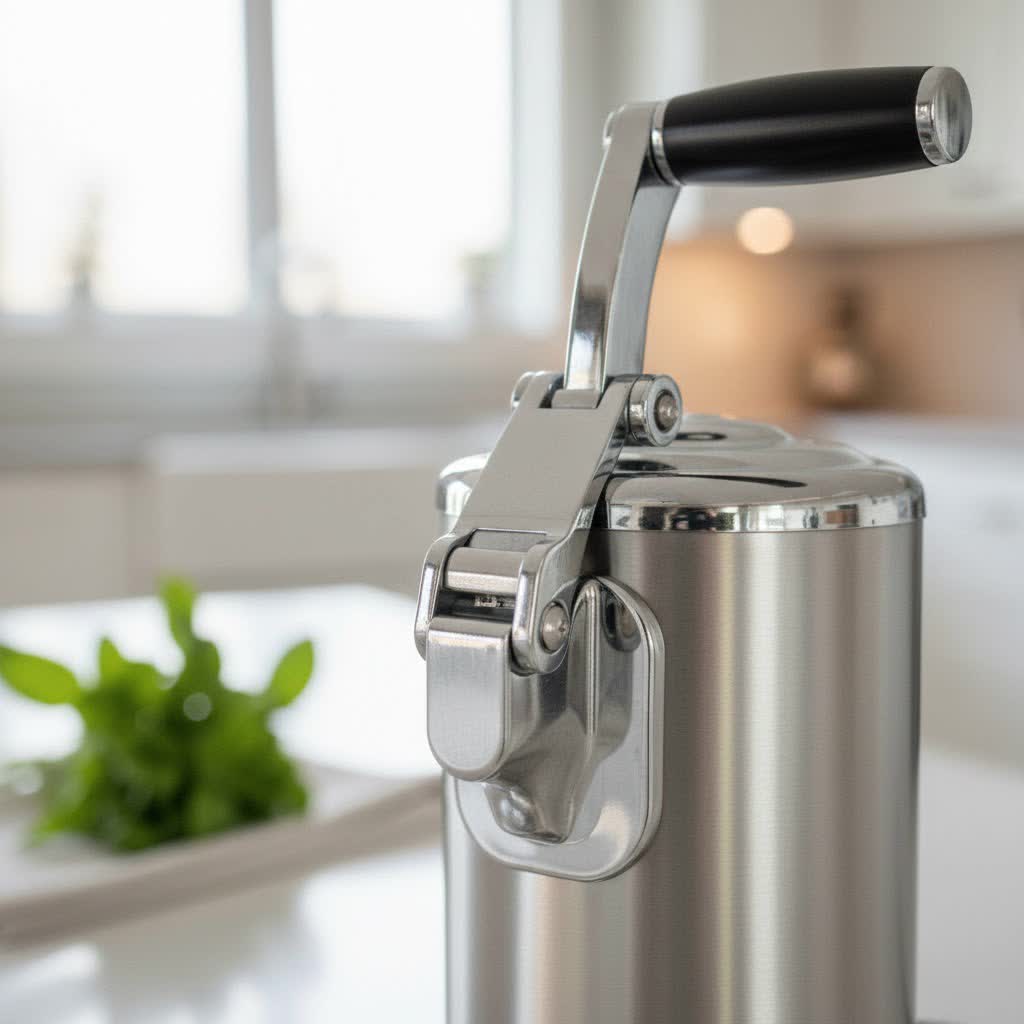
Are you tired of flimsy can openers that struggle with heavy-duty use, leaving you frustrated and slowing down your kitchen operations? For professional chefs and home cooking enthusiasts alike, a reliable can opener is not just a convenience—it’s a necessity. Enter Edlund, a brand that has set the industry standard for commercial can openers for nearly a century. Renowned for their robust construction, exceptional durability, and efficient design, Edlund can openers are engineered to tackle everything from a few cans a day to thousands, ensuring your kitchen runs smoothly and effectively.
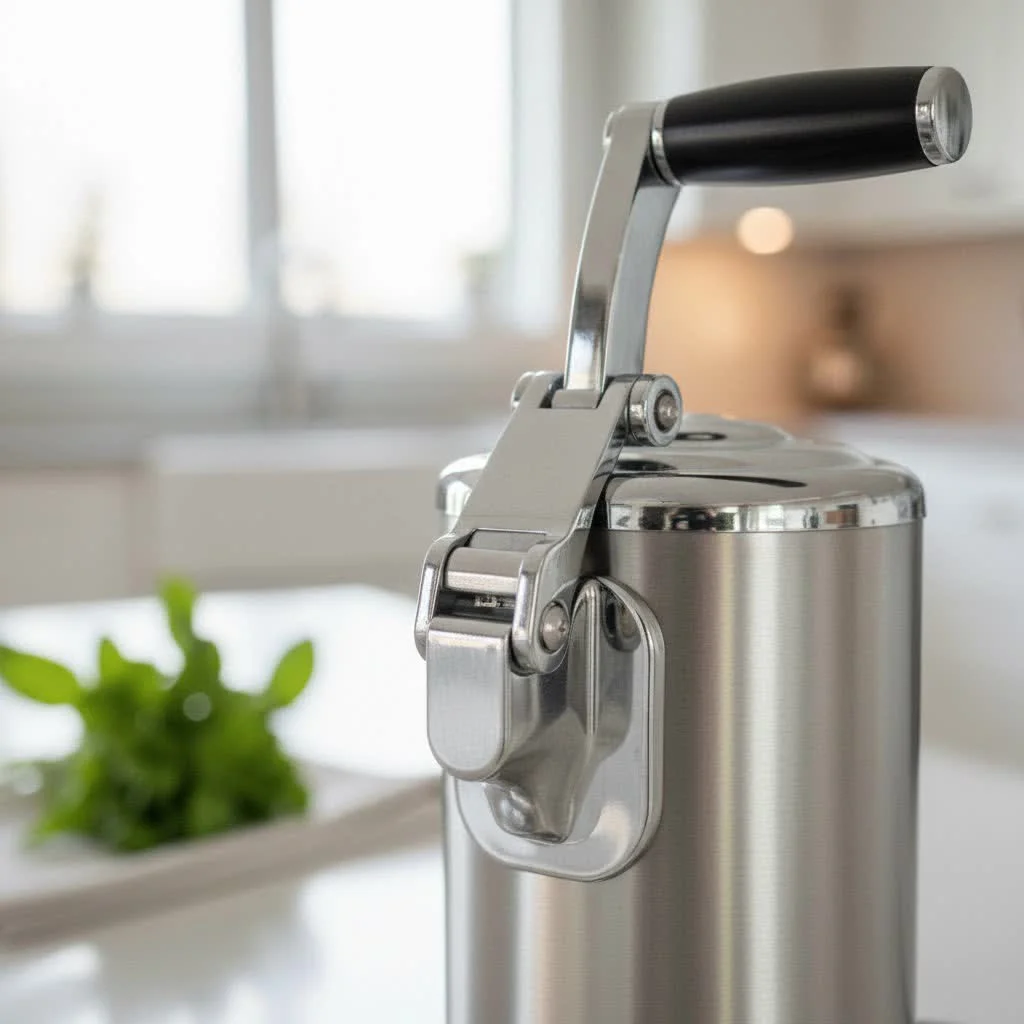
This comprehensive guide will examine the world of Edlund can openers, exploring their various types, crucial selection factors, essential maintenance tips, and where to purchase these indispensable kitchen tools. Discover why investing in an Edlund means investing in reliability and performance that stands the test of time.
Choosing the Best Edlund Can Opener
Selecting the ideal Edlund can opener depends heavily on your specific needs, particularly your daily can-opening volume and the types of cans you process. Edlund offers a diverse range of models, each designed to meet different operational demands.
Types of Edlund Can Openers
Edlund can openers are broadly categorized into manual, electric, and crown punch models, with specialized can opening stations also available for integrated solutions.
-
Manual Can Openers
These traditional, hand-cranked openers are the backbone of many kitchens, praised for their longevity and straightforward operation. Edlund’s “Old Reliable” series, including models like the #1 and #2, are legendary for their robust build. The G-2 series offers a similar capacity to the #2 but features a convenient take-apart design for easier cleaning. Manual models come with varying capacities:- Light-Duty: Suitable for occasional use, up to 15 cans per day, opening standard-size cans.
- Standard-Duty: Designed for low-volume use, handling 2-3 cans per minute, or up to 15-25 cans daily, typically for cans up to 7 inches high.
- Heavy-Duty: Built for high-volume environments, capable of opening 4-6 cans per minute, or up to 50 cans per day, accommodating cans up to 11 inches high.
Many manual models feature rust-resistant arbors, smoother action bases, plastic bushings for lower turning force, and some include stainless steel shafts, knives, and gears for enhanced durability. Certain Edlund manual can openers are equipped with two-sided blades, effectively doubling their operational life before needing replacement.
-
Electric Can Openers
For kitchens with higher demands, electric can openers are a vital investment. These models are operated with the simple push of a button, significantly increasing productivity and reducing the physical strain on employees during prolonged use.- Capacity: Typically designed for foodservice operations opening more than 50 cans a day, with some models handling up to 200 cans daily.
- Features: Models like the Edlund #270 are NSF certified and boast removable stainless steel knife holders, gears, and cover plates for easy cleaning. They come in both single and two-speed variations to suit different operational preferences.
-
Crown Punch Can Openers
Representing the pinnacle of efficiency, crown punch can openers are engineered to open cans in a single, swift stroke. These are the most user-friendly and rapid can openers Edlund offers, suitable for the most demanding environments.- Operation: Available in both manual and air-powered versions.
- Capacity: Air-powered crown punch models are especially suited for very high-volume kitchens, capable of opening hundreds to as many as 3,000 cans per day, making them ideal where minimal time can be wasted between cans.
-
Can Opening Stations
Edlund also provides integrated can opening stations, which are specialized setups that combine an Edlund can opener with a sturdy workstation, further streamlining the process for high-volume use.
Key Factors When Selecting Your Edlund Can Opener
|
Our Picks for the Best Can Opener in 2026
As an Amazon Associate I earn from qualifying purchases.
|
||
| Num | Product | Action |
|---|---|---|
| 1 | KitchenAid Classic Multifunction Can Opener and Bottle Opener Easy to Use, Razor Sharp Stainless Steel Cutting Wheel, Soft Ergonomic Handles, Pistachio |

|
| 2 | Beneno Heavy Duty Hand Can Opener Manual with Magnet, Durable Sharp Carbon Steel Blade Smooth Cutting, Big Effort-Saving Knob & Soft Grip Handle, Multifunctional Kitchen Tool with Bottle Opener, Green |
|
| 3 | MARSWELL Hand Crank Can Opener Manual Heavy Duty, Commercial Can Openers with Ergonomic Rubber Coated Extra-Long Handles, Oversized Knob, Large Can Opener for Big Cans, Black |
|
| 4 | KitchenAid Classic Multifunction Can Opener and Bottle Opener Easy to Use, Razor Sharp Stainless Steel Cutting Wheel, Soft Ergonomic Handles, Empire Red |
|
| 5 | OXO Good Grips Smooth Edge Can Opener |
|
| 6 | Beneno Can Opener, Manual Side Safe Cut Can Opener Smooth Edge with Durable Sharp Blade, Effort-Saving Knob & Comfortable Non-slip Handle, Brown |
|
| 7 | Zulay Kitchen Heavy Duty Stainless Steel Can Opener Manual with Bottle Opener - Rust Proof Manual Can Opener With Turn Knob & Comfy Soft Grip Handles - Black |
|
| 8 | Commercial Can Opener, UHIYEE Hand Crank Can Opener Manual Heavy Duty with Comfortable Extra-long Handles, Oversized Knob, Large Handheld Can Open Easy for Big Cans, Black |
|
| 9 | GORILLA GRIP Heavy Duty Stainless Steel Smooth Edge Manual Can Opener, Soft Comfortable Handle, Large Handheld Turn Knob, Built-In Bottle Openers, US Designed, Holiday Prep Kitchen Essential, Black |
|
| 10 | Good Cook Can Opener, Safe Cut Manual Can Opener, no Sharp Can Edges, Black |
|
Choosing the right Edlund can opener requires careful consideration of several factors to ensure it aligns perfectly with your kitchen’s operational needs.
-
Daily Can Capacity
This is arguably the most critical factor. Mismatching a can opener’s capacity with your actual daily volume can lead to premature wear and inefficient operation. Always base your decision on your maximum estimated daily can usage. -
Mounting Style
Edlund can openers come with different base styles to fit various kitchen setups:- Clamp Base: Ideal for temporary mounting or countertops where permanent fixture is not desired.
- Screw-Down Base: Provides maximum stability and is suitable for permanent installation on sturdy countertops.
- Without Base: Typically for replacement units or specific setups where a base is already present.
-
Bar Length
The bar length dictates the maximum height of cans the opener can accommodate. Edlund offers various bar lengths, such as 10, 12, 14, 16, and 22 inches, to ensure compatibility with different can sizes, from standard consumer cans to large #10 commercial cans. -
Material and Construction
The materials used in an Edlund can opener directly impact its durability and resistance to wear and tear.- Stainless Steel: Bases, shafts, knives, and gears made from stainless steel offer superior rust resistance and longevity, making them a preferred choice for commercial settings.
- Plated Steel: While durable, plated steel components may require more diligent drying after washing to prevent rusting.
- Melonite Arbor: Some models feature a melonite arbor, further enhancing rust resistance and product life.
-
Ease of Cleaning and Maintenance
In any kitchen, hygiene is paramount. Look for Edlund models that feature a “take-apart” design (like the G-2 and U-12 series) or removable components (like the electric #270’s knife holder and gear) to facilitate thorough cleaning and prevent food buildup. -
Durability and Longevity
Edlund’s reputation for making products that last for decades is well-earned. Their “Old Reliable” models, in particular, are renowned for their robust construction, often becoming multi-generational kitchen staples. Investing in an Edlund is a long-term commitment to a reliable tool. -
NSF Certification
For commercial kitchens, NSF certification is a vital indicator of public health and safety compliance. Many Edlund can openers are NSF certified, meaning they meet strict standards for construction, design, and material that promote easy cleaning and prevent bacteria growth.
Edlund Can Opener Comparison Table
| Feature | Manual (e.g., #1, G-2) | Electric (e.g., #270) | Crown Punch (e.g., #610) |
|---|---|---|---|
| Operation | Hand-cranked | Push-button | One-stroke (manual/air) |
| Daily Cans | Up to 50 | 50-200 | 200-3,000 |
| Effort | Moderate | Minimal | Minimal |
| Speed | 2-6 cans/minute | 4-8 cans/minute | 6-12 cans/minute |
| Best for | Low to Medium Volume | High Volume | Very High Volume |
| Mounting | Table/Countertop | Countertop | Countertop |
| Key Benefit | Durability, Cost-effective | Increased Productivity | Ultimate Efficiency |
Maintenance and Care for Your Edlund Can Opener
Proper care and maintenance are crucial to extending the life and ensuring the optimal performance of your Edlund can opener. Following a consistent routine will keep your unit in top condition and maintain hygiene standards.
-
Daily Cleaning
Regular cleaning is essential to prevent food residue buildup and harmful bacteria.- Remove Residues: After each extended use, remove all food and can-opening residues from the drive gear, the gear cavity, the knife, and the area around the can stop. Edlund recommends using a stainless steel cleaning brush, such as their Model #ST-93, for this purpose.
- Wash: Wash the knife, gear, and any splash area on the opener with soap and water. Do not allow parts to soak, as this can promote rusting, especially for nickel-plated components.
- Dry Thoroughly: Completely dry the knife, gear, and the entire can opener using a dry cloth or paper towel.
- Lubricate: Coat the knife and gear with a non-sticking vegetable oil. This vital step helps prevent rusting when the can opener is not in use.
-
Periodic Maintenance
Beyond daily cleaning, periodic checks and specific maintenance steps are necessary to ensure sanitary and safe food handling requirements and maximize the life of your opener.- Knife Inspection: The knife should be checked regularly for nicks, grooves, or visible wear on the modern. Edlund knives are intentionally designed with a dull, rounded edge to prevent metal slivers and will self-sharpen with use. If a groove can be felt with a fingernail, the knife should be reversed to use its unused modern or replaced. Crucially, never attempt to sharpen Edlund can opener blades, as this can compromise their safety and effectiveness. Edlund blades are designed to open approximately 2,500 cans per side.
- Gear Inspection: Inspect the drive gear monthly. If it no longer effectively turns a can or begins to remove metal from the can bead, it’s time for replacement. Edlund gears are designed to open approximately 5,000 cans before needing replacement.
- Arbor Hole Lubrication: To prevent premature wear of the arbor hole in the slide bar, apply a small amount of non-sticking vegetable oil into the arbor hole weekly or after each cleaning.
- Structural Check: Periodically check the arbor hole of the slide bar for elongation or excessive wear. If the hole is elongated, the opener is beyond repair and should be replaced.
Where to Purchase Edlund Can Openers and Parts
Edlund commercial can openers are primarily found through foodservice and restaurant supply channels, which cater to the demands of professional kitchens.
- Commercial Restaurant Supply Stores: Leading suppliers like WebstaurantStore and KaTom Restaurant Supply offer an extensive selection of new Edlund can openers, including manual, electric, and crown punch models, along with various base styles and bar lengths. These platforms often provide detailed product specifications and reviews.
- Online Marketplaces: For those interested in vintage or used Edlund models, or seeking specific older parts, online marketplaces like eBay can be a source. However, ensure the seller’s reputation and the item’s condition when purchasing pre-owned equipment.
- Authorized Distributors: Edlund’s official website or authorized distributors are reliable sources for replacement parts like knives, gears, and bushings, ensuring you get genuine components designed to fit your specific model.
Conclusion
The Edlund can opener stands as a shows durability, efficiency, and thoughtful engineering in the culinary world. Whether you’re a high-volume commercial kitchen or a home cook seeking unparalleled reliability, an Edlund can opener is a long-term investment that promises to simplify your daily tasks and endure years of rigorous use. By understanding the different types available, considering your specific operational needs, and committing to regular maintenance, you can ensure your Edlund can opener remains a trusted workhorse in your kitchen for decades to come.
Investing in an Edlund isn’t just buying a can opener; it’s securing a piece of kitchen equipment that embodies the essence of “Old Reliable.”
Frequently Asked Questions
Why are Edlund can openers considered “Old Reliable”?
Edlund invented their original can openers over 75 years ago, establishing the standard in foodservice. Their “Old Reliable” models are known for their robust construction, continuous improvements to meet modern kitchen demands, and exceptional longevity, often lasting for decades with proper care.
Can I sharpen my Edlund can opener blade?
No, Edlund can opener blades are intentionally designed with a dull, rounded edge to fold metal and prevent dangerous slivers. They are engineered to self-sharpen through friction with the can. Attempting to sharpen them can compromise their intended function and safety.
How often should I clean my Edlund can opener?
It is recommended to clean your Edlund can opener daily, or after each extended use. This involves removing food residues, washing with soap and water, thoroughly drying all parts, and then coating the knife and gear with a non-sticking vegetable oil to prevent rust.
What is the primary difference between Edlund’s plated steel and stainless steel bases?
The primary difference lies in their resistance to corrosion and overall durability. Stainless steel bases offer superior rust resistance, making them ideal for humid commercial kitchen environments and frequent washing, thus generally providing a longer lifespan compared to plated steel bases.
Get our weekly buyer guide
Practical specs, not advice. Unsubscribe anytime.
