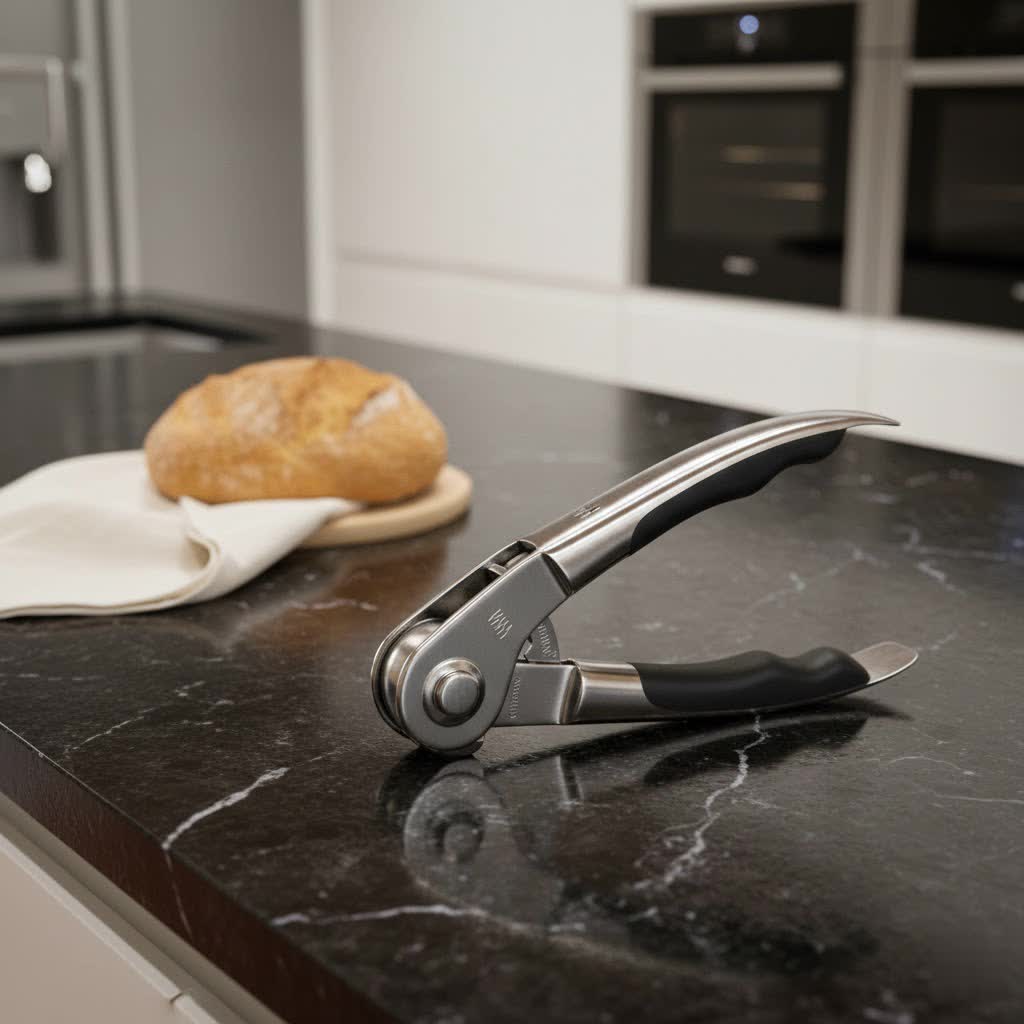
Have you ever stopped to consider the journey of the humble can opener? From crude, dangerous tools to the familiar designs we know today, the antique can opener tells a fascinating story of ingenuity, necessity, and evolving kitchen technology. For enthusiasts and collectors, these vintage gadgets are more than just old kitchen tools; they are tangible pieces of history, each with a unique design and a tale to tell. examine the world of antique can openers offers a captivating glimpse into how our ancestors tackled the once-daunting task of opening a sealed metal can.
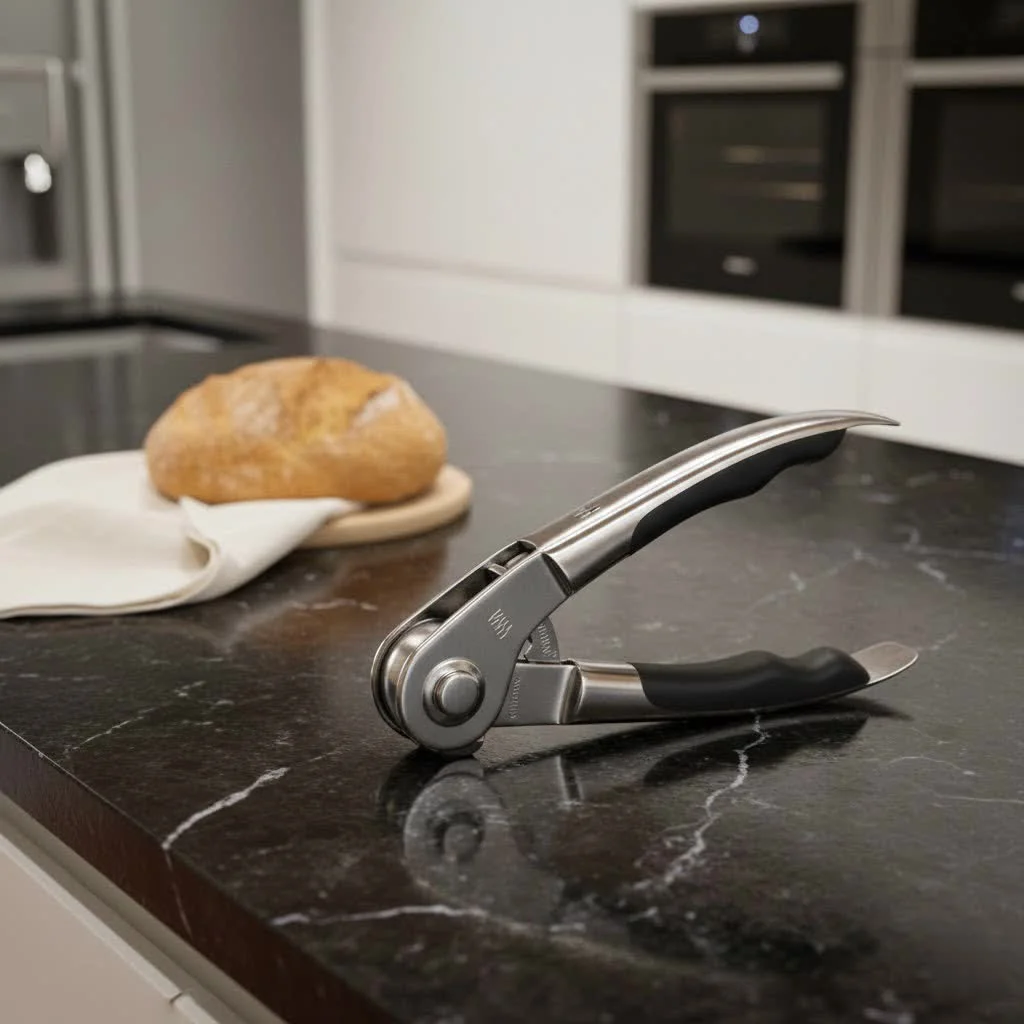
The Fascinating Journey: A Brief History of the Can Opener
The story of the can opener begins long after the invention of the can itself. When Peter Durand patented the tin can in England in 1810, preserving food became revolutionary. Yet, the early cans were made from thick wrought iron, often requiring a hammer and chisel to open—a process far from convenient or safe. It would take decades for a dedicated tool to emerge.
The first significant step towards a specialized opener came in 1855 when Englishman Robert Yates patented a lever-type design. This primitive tool featured a claw-ended blade, meant to puncture and pry its way around the can’s edge. Just three years later, in 1858, American Ezra Warner introduced his own patented can opener. Warner’s design, characterized by a sharp, sickle-like blade and a guard, was adopted by the Union Army during the American Civil War. While effective for military use, its inherent danger made it unsuitable for general domestic kitchens. Stores often kept one behind the counter to open cans for customers, highlighting its unwieldy nature.
The breakthrough for the rotating wheel came in 1870 with William Lyman’s design. This innovation featured a sharp cutting wheel that rotated around the can’s rim. However, it still required skill and strength, often involving a wingnut to adjust the length. The modern, easy-to-use geared rotary can opener, with its familiar double-wheel mechanism that grips the can and smoothly cuts the lid, wouldn’t become widespread until improvements were made around 1925, and notably with Charles Arthur Bunker’s patent in 1931.
Decoding Antique Can Opener Types
The evolution of the can opener led to a diverse array of designs, each reflecting the needs and technological capabilities of its era.
- Lever-Action & Pierce-and-Cut Openers: These represent some of the earliest designs, like those by Yates and Warner. They typically involved piercing the can with a pointed blade and then leveraging or sawing around the edge. While rudimentary and often risky due to sharp, exposed blades, they were revolutionary for their time. You might find variations with simple wooden or metal handles, embodying a raw, industrial aesthetic.
- Rotary Wheel Can Openers: Following Lyman’s 1870 patent, rotary designs began to refine. Early versions were single-wheel, requiring a careful grip and steady rotation. Over time, the addition of a second, serrated wheel to grip the can’s rim transformed these into much more user-friendly devices, setting the stage for the manual can openers we often see today. These can range from simple designs to more ornate examples from the early 20th century.
- Specialized and Novelty Openers: Beyond the basic designs, inventors also created can openers for specific purposes or with unique aesthetics.
- “Bull’s Head” Openers: A popular collectible, these often feature a decorative bull’s head handle, typically made of cast iron. They emerged around 1865 and were sometimes associated with “Bully Beef” (canned pickled beef).
- Military Can Openers (P-38, P-51): Developed during wartime, these are compact, robust, and often include a small cutting blade hinged to a handle. They are highly collectible due to their historical significance and durable design.
- Church Keys: While often associated with bottle opening, the “church key” also evolved to pierce flat-top beer cans, which became popular in 1935. These are simple, flat pieces of metal with a sharp point.
- Multi-tools: Some antique can openers combined functionalities, integrating corkscrews, bottle openers, or other kitchen tools into a single device.
What Makes an Antique Can Opener Valuable?
|
Our Picks for the Best Can Opener in 2026
As an Amazon Associate I earn from qualifying purchases.
|
||
| Num | Product | Action |
|---|---|---|
| 1 | Zulay Kitchen Heavy Duty Stainless Steel Can Opener Manual with Bottle Opener - Rust Proof Manual Can Opener With Turn Knob & Comfy Soft Grip Handles - Black |

|
| 2 | KitchenAid Classic Multifunction Can Opener and Bottle Opener Easy to Use, Razor Sharp Stainless Steel Cutting Wheel, Soft Ergonomic Handles, Pistachio |
|
| 3 | GORILLA GRIP Heavy Duty Stainless Steel Smooth Edge Manual Can Opener, Soft Comfortable Handle, Large Handheld Turn Knob, Built-In Bottle Openers, US Designed, Holiday Prep Kitchen Essential, Black |
|
| 4 | KitchenAid Classic Multifunction Can Opener and Bottle Opener Easy to Use, Razor Sharp Stainless Steel Cutting Wheel, Soft Ergonomic Handles, Empire Red |
|
| 5 | Commercial Can Opener, UHIYEE Hand Crank Can Opener Manual Heavy Duty with Comfortable Extra-long Handles, Oversized Knob, Large Handheld Can Open Easy for Big Cans, Black |
|
| 6 | Good Cook Can Opener, Safe Cut Manual Can Opener, no Sharp Can Edges, Black |
|
| 7 | OXO Good Grips Smooth Edge Can Opener |
|
| 8 | Beneno Can Opener, Manual Side Safe Cut Can Opener Smooth Edge with Durable Sharp Blade, Effort-Saving Knob & Comfortable Non-slip Handle, Brown |
|
| 9 | Beneno Heavy Duty Hand Can Opener Manual with Magnet, Durable Sharp Carbon Steel Blade Smooth Cutting, Big Effort-Saving Knob & Soft Grip Handle, Multifunctional Kitchen Tool with Bottle Opener, Green |
|
| 10 | MARSWELL Hand Crank Can Opener Manual Heavy Duty, Commercial Can Openers with Ergonomic Rubber Coated Extra-Long Handles, Oversized Knob, Large Can Opener for Big Cans, Black |
|
Collecting antique can openers can be a rewarding hobby. Their value is determined by several key factors:
- Condition: Like any antique, condition is paramount. Look for items with minimal rust, especially on the cutting mechanism. An intact, fully operational mechanism is highly desirable. Original paint or finish, without significant wear or repairs, also significantly increases value by maintaining the item’s authenticity and historical integrity.
- Rarity & Uniqueness: Some can openers were produced in limited quantities or feature unusual, intricate designs. For instance, those with ornate handles (like animal shapes, specific motifs) or unique mechanical actions tend to fetch higher prices than more common models.
- Manufacturer Markings & Patents: Clearly legible manufacturer names (e.g., Star, Bull Nose, Climax, Vaughan’s, Rival) or patent dates (often stamped on the metal) are crucial. These markings help authenticate the piece, establish its age, and connect it to specific historical innovations. A patent number can often lead to fascinating research about the inventor and the period it was created.
- Materials & Craftsmanship: Antique can openers crafted from durable materials like cast iron or high-quality steel, especially those with finely carved wooden handles or intricate metalwork, are often more prized. The quality of their construction speaks volumes about their historical context and durability.
Caring for Your Vintage Treasure: Usage and Maintenance Tips
If you’re fortunate enough to own an antique can opener, whether for display or occasional use, proper care is essential for its preservation.
For lever-action or pierce-and-cut models, understand that they require a firm grip and a specific technique to safely puncture the can and cut around the rim. Rotary wheel openers are generally easier, but may still require more force than modern counterparts. Always ensure you have a stable grip on both the can and the opener to prevent slipping.
After each use, especially if used for food, clean your antique can opener thoroughly. Wash off any food residue and dry it immediately to prevent rust, particularly on cast iron or older steel components. For pieces with moving parts, a tiny dab of food-grade mineral oil can help lubricate joints and keep them operating smoothly, preventing friction and wear. Store your can opener in a dry environment to avoid corrosion. These tools are built to last, and with a little care, they can continue to function as intended for many years to come.
Where to Discover Your Own Piece of History
The search for antique can openers can be an adventure! Online marketplaces like eBay and Etsy are treasure troves, offering a vast selection from various eras and designs. Here, you can filter by age, brand, or specific features to find unique pieces. Beyond the digital realm, traditional antique shops, flea markets, and estate sales are excellent places to discover these historical artifacts. You might uncover a hidden gem, perhaps an opener from a lesser-known manufacturer or a particularly well-preserved example with its original box. The thrill of finding a tangible piece of culinary history often lies in the unexpected discovery.
Conclusion
Antique can openers offer a captivating journey through the evolution of kitchen tools, reflecting significant shifts in food preservation and household convenience. From the necessity of hammers and chisels to the ingenious mechanical devices that transformed kitchens, each antique can opener embodies a piece of our collective past. Whether you’re a seasoned collector or simply appreciate the beauty and history of everyday objects, these vintage tools invite us to reflect on the progress made and the enduring charm of a well-crafted instrument. What fascinating stories might your next antique can opener unveil?
Frequently Asked Questions
How can I determine the age of my antique can opener?
To determine the age, look for patent dates or manufacturer markings stamped on the opener itself. Many early can openers from the late 19th and early 20th centuries will have these dates, which can be cross-referenced with online patent databases or collector guides to pinpoint their exact era. Designs, materials, and overall craftsmanship can also offer clues.
Are antique can openers safe to use today?
While antique can openers are functional, many early designs (especially the pierce-and-cut lever types) can be dangerous due to sharp, exposed blades and the force required to operate them. Modern rotary designs are generally safer but still demand careful handling. It’s crucial to understand the specific mechanism and handle with caution to avoid injury.
What are some common materials used in antique can openers?
Antique can openers were primarily made from robust materials designed for durability. Common materials include cast iron and steel for the body and cutting mechanisms. Handles often featured wood, giving them an ergonomic grip and a classic aesthetic. Some later vintage models might incorporate early plastics, but true antiques largely stick to metal and wood.
How should I clean and maintain an antique can opener?
For cleaning, gently wash with mild soap and water, then dry immediately and thoroughly to prevent rust. Avoid abrasive cleaners that could damage original finishes. For openers with moving parts, a light application of food-grade mineral oil can lubricate the mechanism. Store in a dry place to prevent corrosion and preserve its historical integrity.
Get our weekly buyer guide
Practical specs, not advice. Unsubscribe anytime.

What a captivating glimpse into kitchen technology! I never thought I’d be so engrossed in the history of can openers, but this was genuinely fascinating. Understanding how these tools evolved from necessity to the familiar designs we use now really puts things into perspective. It makes me want to start a collection of my own vintage gadgets!
I enjoyed learning about the early days of can openers, especially the part about Peter Durand’s tin can from 1810. It’s wild to imagine how much effort went into just getting a can open back then. My only minor complaint is that some of the descriptions of the ‘crude, dangerous tools’ could have used a few more visual examples or descriptions to really paint a picture. Still, a solid read for history buffs.
This was a super interesting dive into antique can openers. I had no idea the can was invented so long before a proper opener! It makes you really appreciate the simple convenience of modern designs. I was hoping for a bit more detail on specific brands or collectible models, but it still gave a great overview of the journey from dangerous tools to what we have today.
I’ve always been fascinated by old kitchen gadgets, and this really brought the history of can openers to life. It’s amazing to think about how people used to open those early wrought iron cans with a hammer and chisel! My grandmother had a really old ‘butterfly’ style opener that I never quite understood, but now I appreciate its place in the evolution. Great read for anyone who loves vintage tools.