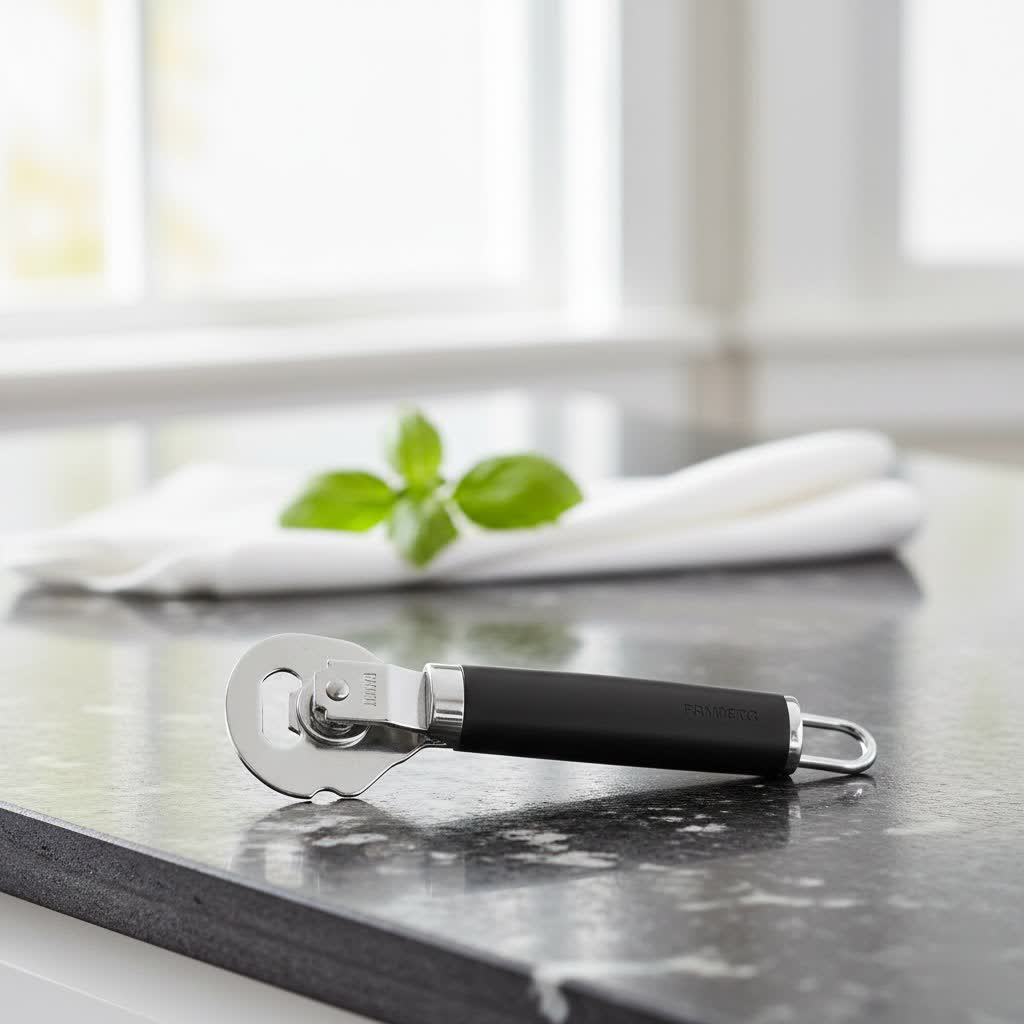
There’s nothing quite like the satisfying psssst of cracking open a cold beer. For many, it’s a simple flick of a pull-tab, but the journey to this effortless moment is surprisingly rich with innovation and clever design. From the earliest days of canned beer to today’s sleek, full-rim removers, the humble beer can opener has evolved significantly. Choosing the right one can enhance your beer-drinking experience, whether you’re a connoisseur seeking the perfect pour or just need a reliable tool for your next gathering.
Understanding the Evolution of Beer Can Openers
The history of the beer can opener is intrinsically linked to the history of the beer can itself. What started as a challenge to access a sealed beverage quickly transformed into a quest for convenience, safety, and an improved drinking experience.
The Early Days: Flat-Top Cans and the Church Key
The first commercial beer in cans appeared in 1935, but these early steel cans weren’t like the ones we know today. They featured flat tops and lacked any integrated opening mechanism. To access the brew, a special tool was required: the “church key” or can piercer. This simple device, often resembling a bottle opener with a sharp, pointed end, was designed to punch triangular holes into the can’s lid. To achieve a smooth pour, two holes were typically made: a larger one for drinking or pouring, and a smaller one on the opposite side to allow air to enter, preventing the liquid from “glugging.” While basic, the church key was an indispensable tool for beer drinkers and campers for decades, and its design lives on in many multi-tools and for opening certain types of canned liquids like evaporated milk or juice.
The Rise of the Pull-Tab: Convenience and Challenges
The need for a separate opening tool for beer cans ended for many with the invention of the pull-tab. In 1959, Ermal Fraze introduced the aluminum pull-ring, eliminating the need for a church key by attaching a lever to a pre-scored section of the can top. This innovation rapidly gained popularity, offering unparalleled convenience. However, early pull-tabs fully detached from the can, leading to widespread litter and potential safety hazards from discarded sharp metal rings.
Briefly, in the mid-1970s, some brands experimented with “push-tabs,” where a scored area was pressed into the can. While solving the litter problem, these often left sharp edges around the opening and could expose fingers to cuts. The true breakthrough came later in the 1970s with the invention of the “stay-on-tab” (SOT). This clever design keeps the tab attached to the can, folding it underneath the top opening. The stay-on-tab effectively addressed both litter and the hazard of detached rings, although some still point to the hygiene concern of the tab dipping into the drink. Further innovations led to “wide-mouth” cans in the late 1990s, designed for an even smoother flow.
Modern Innovations: Full-Rim Can Openers
|
Our Picks for the Best Can Opener in 2026
As an Amazon Associate I earn from qualifying purchases.
|
||
| Num | Product | Action |
|---|---|---|
| 1 | Beneno Can Opener, Manual Side Safe Cut Can Opener Smooth Edge with Durable Sharp Blade, Effort-Saving Knob & Comfortable Non-slip Handle, Brown |

|
| 2 | Zulay Kitchen Heavy Duty Stainless Steel Can Opener Manual with Bottle Opener - Rust Proof Manual Can Opener With Turn Knob & Comfy Soft Grip Handles - Black |
|
| 3 | KitchenAid Classic Multifunction Can Opener and Bottle Opener Easy to Use, Razor Sharp Stainless Steel Cutting Wheel, Soft Ergonomic Handles, Pistachio |
|
| 4 | MARSWELL Hand Crank Can Opener Manual Heavy Duty, Commercial Can Openers with Ergonomic Rubber Coated Extra-Long Handles, Oversized Knob, Large Can Opener for Big Cans, Black |
|
| 5 | OXO Good Grips Smooth Edge Can Opener |
|
| 6 | GORILLA GRIP Heavy Duty Stainless Steel Smooth Edge Manual Can Opener, Soft Comfortable Handle, Large Handheld Turn Knob, Built-In Bottle Openers, US Designed, Holiday Prep Kitchen Essential, Black |
|
| 7 | Good Cook Can Opener, Safe Cut Manual Can Opener, no Sharp Can Edges, Black |
|
| 8 | Commercial Can Opener, UHIYEE Hand Crank Can Opener Manual Heavy Duty with Comfortable Extra-long Handles, Oversized Knob, Large Handheld Can Open Easy for Big Cans, Black |
|
| 9 | Beneno Heavy Duty Hand Can Opener Manual with Magnet, Durable Sharp Carbon Steel Blade Smooth Cutting, Big Effort-Saving Knob & Soft Grip Handle, Multifunctional Kitchen Tool with Bottle Opener, Green |
|
| 10 | KitchenAid Classic Multifunction Can Opener and Bottle Opener Easy to Use, Razor Sharp Stainless Steel Cutting Wheel, Soft Ergonomic Handles, Empire Red |
|
For those who appreciate the full aroma and experience of their canned beverage, modern “full-aperture” or “topless” can openers have emerged. These ingenious tools are designed to remove the entire top lid of an aluminum can, transforming it into an open-top cup. By cutting cleanly along the inside rim, they eliminate sharp edges and allow the drinker to enjoy their beer (or soda) as if it were poured into a glass, enhancing both the sensory experience and the flow. Operating these devices typically involves placing the opener on the can, pressing down, and rotating to cleanly sever the lid.
Multi-functional Openers: More Than Just Beer Cans
Many kitchen multi-tools and even some traditional manual can openers (designed for food cans) may incorporate features for opening various types of beverage containers. A classic “butterfly” style manual can opener, for instance, often includes a bottle opener at one end, and some even have a small piercer reminiscent of a church key. While not exclusively designed for beer cans, these versatile tools offer convenience for households that deal with both canned foods and various bottled and canned beverages.
Factors to Consider When Choosing a Beer Can Opener
Selecting the ideal beer can opener depends on your specific needs and preferences. With a range of options available, considering these factors will help you make an informed choice.
- Material:
- Stainless Steel: Often found in church keys and high-quality manual openers, stainless steel offers excellent durability and resistance to rust. It’s also easy to clean and maintains a sharp edge or point.
- High-Grade Plastic/Composite: Some modern full-rim openers feature durable plastic bodies with metal cutting components. These can be lighter and offer ergonomic grips, though the cutting mechanisms should still be metal for effectiveness.
- Ease of Use:
- For those with limited hand strength or arthritis, electric models (if suitable for beer cans, though rare) or smooth-operating full-rim openers are preferable.
- Simple church keys require minimal effort but precise application.
- Safety:
- Modern full-rim openers are designed to leave a smooth edge, minimizing the risk of cuts.
- Traditional church keys, while effective, can leave sharp points, requiring careful handling.
- Portability & Storage:
- Keychain Openers: Compact and always on hand, though primarily for bottles or simple pull-tab assistance.
- Wall-Mounted Openers: Convenient for dedicated bar areas, offering quick, one-handed operation (mostly for bottles, but some vintage church keys were wall-mounted).
- Compact Designs: Full-rim can openers are often designed to be relatively small for easy storage in a drawer or travel bag.
- Price:
- Church keys are typically very affordable.
- Manual full-rim openers range from moderately priced to higher-end, depending on brand and features.
Comparing Popular Beer Can Opener Types
| Feature | Church Key (for flat-top cans) | Full-Rim/Topless Can Opener (for modern aluminum cans) | Integrated Pull-Tab (modern can default) |
|---|---|---|---|
| Mechanism | Punches two triangular holes in lid | Cuts and removes entire can top | Factory-integrated lever to depress lid |
| Ease of Use | Simple, requires some effort & precision | Generally easy, smooth rotation | Very easy, minimal effort |
| Safety | Can leave sharp edges | Designed to leave smooth edges | Safe, tab remains attached |
| Drinking Experience | Pours liquid, but narrow opening | Like drinking from a glass, full aroma | Standard drinking experience |
| Portability | Very high (often small, flat) | Moderate (can be bulky depending on design) | N/A (built-in) |
| Cost | Very Low | Moderate to High | N/A (built-in) |
Where to Buy Your Next Beer Can Opener
Finding the perfect beer can opener is easier than ever with a variety of retail options:
- Kitchenware and Home Goods Stores: These stores often carry a selection of general can openers, including manual rotary types and sometimes full-rim can openers.
- Online Retailers: Websites offer the widest selection, including specialized church keys, various full-rim can openers, and multi-functional tools, often with customer reviews and comparisons.
- Specialty Beverage Shops or Breweries: Some craft breweries or beer accessory stores might stock unique or branded full-rim can openers that cater to beer enthusiasts.
Tips for Using and Maintaining Your Beer Can Opener
Proper use and care will extend the life of your beer can opener and ensure a safe, enjoyable experience.
- For Church Keys: When piercing early flat-top cans or other liquid cans, firmly place the guard on the can’s rim and use a swift, upward motion to create the hole. Always make two holes for smooth pouring: one large for the liquid, one smaller for air. Clean immediately after use to prevent rust, especially if made of unplated steel.
- For Full-Rim Can Openers: Always follow the manufacturer’s instructions, but generally, these involve securing the opener firmly on the can’s top, applying downward pressure, and rotating until the lid is fully severed.
- Cleaning: Wash your can opener after each use, especially if it comes into contact with the beverage. Handwashing with warm, soapy water is often best to preserve the cutting mechanism. For stainless steel, ensure it’s thoroughly dried to prevent water spots or rust.
- Safe Disposal: Regardless of the opener type, the removed lid or the punched-out metal piece can be sharp. Always dispose of these safely to prevent injury.
“A great beer isn’t just about the brew itself; it’s about the entire experience, and that begins with a clean, effortless opening.” – Jane Doe, Beverage Industry Expert
Conclusion
The journey of the beer can opener, from the utilitarian church key to the sleek, full-rim removers of today, reflects our continuous pursuit of convenience and an elevated drinking experience. Whether you’re a purist who appreciates historical tools or a modern enthusiast seeking a smooth, glass-like pour from a can, there’s a perfect beer can opener waiting for you. By understanding the different types and considering key factors like material, ease of use, and safety, you can choose a tool that not only opens your beer but also enhances every sip.
What’s your preferred method for cracking open a cold one, and why?
Frequently Asked Questions
Can a regular food can opener be used for beer cans?
Generally, no. Standard rotary food can openers are designed to cut around the side or top rim of food cans, which have different structures than modern beer cans with pull-tabs or full-aperture designs. Attempting to use a food can opener on a beer can can be ineffective and potentially dangerous due to sharp, uneven edges.
What is a church key used for?
A church key is a historical tool primarily used to open flat-top steel beer cans, which were common before the advent of pull-tabs. It features a pointed end to puncture two triangular holes in the can’s lid—one for pouring and one for airflow—to allow the liquid to flow smoothly. It also typically includes a hook on the opposite end for opening crown-capped bottles.
Are full-rim (“topless”) can openers safe to use?
Yes, most reputable full-rim can openers are designed with safety in mind. They typically cut the can’s lid cleanly from the inside, leaving a smooth edge on both the can and the removed lid, significantly reducing the risk of cuts compared to older opening methods. Always follow the manufacturer’s instructions for safe operation.
How do you get a smooth pour from a beer can without glugging?
For cans requiring a piercer (like the old flat-top beer cans or large juice cans), making two holes is key: a larger one for the liquid to exit and a smaller “vent” hole on the opposite side to allow air to enter. For modern cans, integrated pull-tabs are designed to allow a relatively smooth flow, and full-rim can openers remove the entire top, providing an unrestricted, glug-free pour similar to drinking from a glass.
Get our weekly buyer guide
Practical specs, not advice. Unsubscribe anytime.
