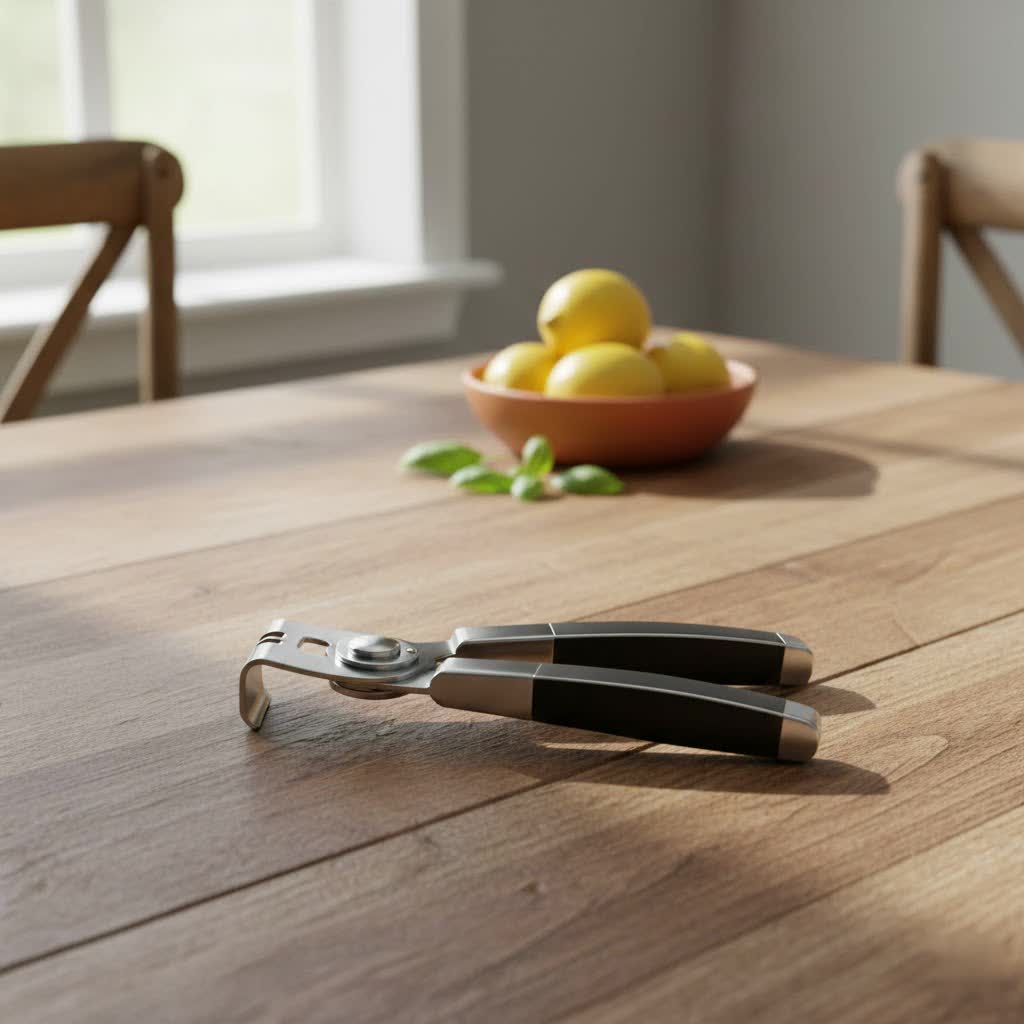
Are you tired of wrestling with stubborn cans or struggling to pop open your favorite beverages? A reliable can and bottle opener is more than just a kitchen gadget; it’s an essential tool that streamlines your cooking and entertaining experiences. With countless models on the market, from classic manual designs to modern electric marvels, choosing the right one can feel overwhelming. This comprehensive guide will equip you with the knowledge to select the ideal can and bottle opener tailored to your needs, ensuring smooth, effortless openings every time.
How to Choose the Best Can & Bottle Opener
Navigating the vast array of can and bottle openers requires understanding the nuances of each type and prioritizing features that align with your lifestyle. Let’s delve into the different categories and the critical factors to consider. For reviews buying guides on this site.
Popular Types of Can & Bottle Openers
The evolution of can openers has brought forth diverse designs, each offering distinct advantages. Bottle openers, often integrated, also come in various forms.
- Traditional Manual Can Opener: This is the classic two-handled device with a crank mechanism. It works by clamping onto the rim of the can and rotating a cutting wheel to pierce and cut along the lid.
- Pros: Affordable, compact, no electricity needed, durable.
- Cons: Requires hand strength, can leave sharp edges, may be challenging for those with mobility issues or left-handed users.
- Rotary (Side-Cut) Safety Can Opener: These innovative openers cut along the side of the can, just below the rim, rather than through the top. This results in a smooth, blunt edge, making the lid safe to touch and even re-cover the can for temporary storage.
- Pros: Leaves smooth, safe edges; often includes a lid-lifting magnet; typically requires less effort than traditional models.
- Cons: Can have a learning curve; generally more expensive than traditional manual openers.
- Electric Can Opener: For ultimate convenience, electric can openers automate the process. They come in two main forms: countertop models and handheld, battery-operated units.
- Pros: Effortless operation (ideal for those with arthritis or limited hand strength); quick and consistent results; often creates smooth edges.
- Cons: Requires electricity or batteries; countertop models take up counter space; generally the most expensive option; can be loud.
- Multi-Functional Openers (Including Bottle Openers): Many modern can openers incorporate additional tools, most commonly a bottle opener (often called a “church key” or lever style). These can also include pull-tab hooks or jar lid grippers, offering versatility in one compact tool.
- Pros: Space-saving, cost-effective for multiple needs, versatile.
- Cons: Performance of individual functions can vary; dedicated tools might offer superior ergonomics for specific tasks.
Key Factors to Consider When Buying Your Can & Bottle Opener
|
Our Picks for the Best Can Opener in 2026
As an Amazon Associate I earn from qualifying purchases.
|
||
| Num | Product | Action |
|---|---|---|
| 1 | GORILLA GRIP Heavy Duty Stainless Steel Smooth Edge Manual Can Opener, Soft Comfortable Handle, Large Handheld Turn Knob, Built-In Bottle Openers, US Designed, Holiday Prep Kitchen Essential, Black |

|
| 2 | Commercial Can Opener, UHIYEE Hand Crank Can Opener Manual Heavy Duty with Comfortable Extra-long Handles, Oversized Knob, Large Handheld Can Open Easy for Big Cans, Black |
|
| 3 | KitchenAid Classic Multifunction Can Opener and Bottle Opener Easy to Use, Razor Sharp Stainless Steel Cutting Wheel, Soft Ergonomic Handles, Empire Red |
|
| 4 | MARSWELL Hand Crank Can Opener Manual Heavy Duty, Commercial Can Openers with Ergonomic Rubber Coated Extra-Long Handles, Oversized Knob, Large Can Opener for Big Cans, Black |
|
| 5 | Beneno Can Opener, Manual Side Safe Cut Can Opener Smooth Edge with Durable Sharp Blade, Effort-Saving Knob & Comfortable Non-slip Handle, Brown |
|
| 6 | Good Cook Can Opener, Safe Cut Manual Can Opener, no Sharp Can Edges, Black |
|
| 7 | Zulay Kitchen Heavy Duty Stainless Steel Can Opener Manual with Bottle Opener - Rust Proof Manual Can Opener With Turn Knob & Comfy Soft Grip Handles - Black |
|
| 8 | OXO Good Grips Smooth Edge Can Opener |
|
| 9 | KitchenAid Classic Multifunction Can Opener and Bottle Opener Easy to Use, Razor Sharp Stainless Steel Cutting Wheel, Soft Ergonomic Handles, Pistachio |
|
| 10 | Beneno Heavy Duty Hand Can Opener Manual with Magnet, Durable Sharp Carbon Steel Blade Smooth Cutting, Big Effort-Saving Knob & Soft Grip Handle, Multifunctional Kitchen Tool with Bottle Opener, Green |
|
When you’re ready to make a purchase, several elements will influence your satisfaction and the longevity of your chosen opener.
- Material:
- Stainless steel: Offers superior durability, corrosion resistance, and a professional aesthetic. Blades are often stainless steel for sharpness and hygiene.
- High-grade plastic: Common for handles and electric opener bodies. Look for BPA-free, sturdy plastics that can withstand regular use without cracking or breaking. Softer, grippy plastics or silicone are excellent for comfort.
- Durability:
- Check user reviews: Real-world feedback is invaluable for gauging how well a product holds up over time.
- Choose reputable brands: Established brands often signify a commitment to quality and better customer support.
- Examine construction: For manual openers, look for tight hinges, robust gears, and solid handle connections. Flimsy construction can lead to misalignment and premature failure.
- Features:
- Smooth-edge cut: A significant safety feature, particularly for households with children.
- Magnetic lid holder: Conveniently lifts and holds the cut lid, preventing it from falling into food or creating a mess.
- Ergonomic design: Comfortable handles and easy-to-turn knobs are crucial, especially if you open cans frequently or have hand discomfort.
- Ambidextrous use: Some safety can openers are designed to be easily operated by both right- and left-handed individuals.
- Integrated bottle opener: Essential if you regularly open glass bottles with crown caps.
- Easy to clean: Openers with tight hinges or complex mechanisms can trap food particles. Look for designs that open wide for thorough cleaning or have removable, dishwasher-safe components.
- Safety & Ease of Use:
- Consider models that cater to specific needs, such as electric or smooth-edge manual openers for those with limited hand strength or arthritis. Many manual openers are primarily designed for right-handed users, so left-handed individuals may need to seek out specific models.
- Price:
- Can and bottle openers range from under $10 for basic manual models to $50+ for high-end electric units. Determine your budget based on your frequency of use and desired features. Investing a little more in a durable, easy-to-use opener often pays off in the long run.
- Storage & Kitchen Space:
- Manual openers are typically compact and fit easily into kitchen drawers. Countertop electric models require dedicated space, while handheld electric versions strike a balance between convenience and compactness.
Comparison Table: Can Opener Types
| Feature | Traditional Manual | Rotary (Side-Cut) Safety | Electric (Countertop/Handheld) |
|---|---|---|---|
| Pros | Inexpensive, portable, no power needed, simple. | Smooth, safe edges; lid lift magnet; less effort. | Effortless; fast; ideal for limited hand strength; often smooth edges. |
| Cons | Can leave sharp edges; requires hand strength; harder for some. | Higher cost; learning curve; not always compact. | Requires power; can be bulky; highest cost; potential for mechanical/battery issues. |
| Safety | Moderate (sharp edges) | High (smooth edges) | High (smooth edges) |
| Effort | Moderate to High | Low to Moderate | Very Low (push of a button) |
| Portability | High | Moderate | Low (countertop) to High (handheld battery) |
Where to Buy Your Can & Bottle Opener
Once you’ve narrowed down your preferences, finding the right place to purchase is the next step.
- Home Goods Stores: Retailers specializing in kitchenware and home essentials offer a good selection of various types and brands.
- Supermarkets/Department Stores: Often carry basic to mid-range manual and electric models, convenient for an impulse purchase.
- E-commerce Websites: Online marketplaces provide the widest selection, competitive pricing, and access to numerous user reviews and detailed product specifications. This is an excellent option for finding specific models or niche multi-functional tools.
Tips for Using and Maintaining Your Can & Bottle Opener
Even the best can opener can falter without proper care. Here’s how to keep yours in top working condition.
- Clean After Every Use: Food residue and can juices can build up, leading to dull blades, sticky mechanisms, and even rust. Most manual can openers are not dishwasher safe; a quick rinse with warm, soapy water and thorough drying is usually best. For electric models, check the manufacturer’s instructions for blade cleaning.
- Store Properly: Keep your can opener in a dry place to prevent rust. Manual models can hang on a hook or reside in a drawer. Ensure electric models are stored safely to avoid damage.
- Troubleshooting Common Issues:
- Slipping/Not Cutting: This is often due to a loose gear or a dull blade. For manual openers, check if the cutting wheel and gear are properly aligned and gripping the can. Some manual openers can be adjusted by slightly tightening the pivot screw.
- Jagged Edges: A sign of a dull blade or improper technique. Consider replacing the opener if the blade is worn, or switch to a safety-style opener.
- Electric Opener Power Issues: For battery-operated models, ensure batteries are fresh and inserted correctly. Check for corrosion in the battery compartment. For corded models, ensure it’s plugged in securely.
- Regular Inspection: Periodically check your opener for any signs of wear, rust, or damage, especially on the cutting mechanism and handles. Replace it if you notice significant deterioration to ensure safety and efficiency.
“A well-maintained can opener isn’t just a convenience; it’s a safety tool. Sharp, dull, or misaligned blades are the primary culprits behind kitchen mishaps. Regular cleaning and timely replacement are key to a seamless and safe canning experience.” – Admin, ReviewBdsAz.com
Conclusion
Choosing the perfect can and bottle opener doesn’t have to be a daunting task. By understanding the different types available – from the reliable traditional manual opener to the innovative safety-cut design and the effortless electric models – and considering crucial factors like material, durability, and essential features, you can make an informed decision. Remember that proper usage and consistent maintenance will extend the life of your chosen tool, ensuring it remains a trusted workhorse in your kitchen for years to come. So, which can and bottle opener will become your new kitchen champion?
Frequently Asked Questions
What is the safest type of can opener?
Safety can openers, also known as side-cut can openers, are generally considered the safest as they cut along the side of the can, leaving a smooth, blunt edge that won’t cut your fingers. Many electric can openers also produce smooth edges.
Which can opener is best for people with arthritis or limited hand strength?
Electric can openers are typically the best choice for individuals with arthritis or limited hand strength, as they require minimal physical effort. Handheld electric models offer portability, while countertop versions provide stable, hands-free operation.
How do I fix a can opener that keeps slipping?
A slipping can opener often indicates a loose gear or a dull blade. For manual models, try tightening any visible screws or using pliers to gently adjust the gear if it’s become separated from the blade. If the blade is dull, it might be time for a replacement. Regular cleaning can also prevent slippage caused by food residue buildup.
Can I put my manual can opener in the dishwasher?
Most manufacturers recommend handwashing manual can openers. The harsh detergents and high heat of a dishwasher can cause blades to dull, hinges to loosen, and metal parts to rust prematurely. A quick rinse with warm, soapy water and thorough drying is usually sufficient.
Get our weekly buyer guide
Practical specs, not advice. Unsubscribe anytime.
