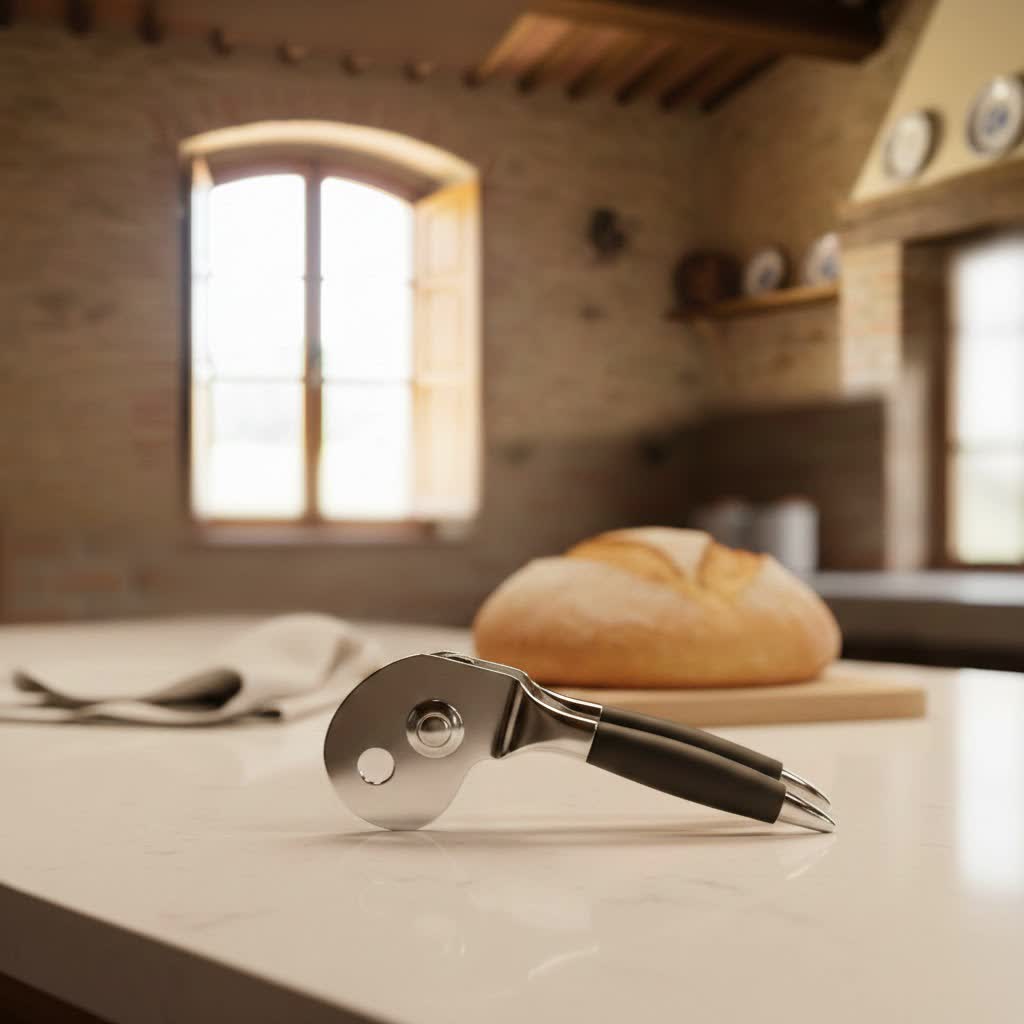
Do you ever find yourself rummaging through kitchen drawers, desperately searching for a tool to open a stubborn can, only to realize you then need a separate opener for a bottled beverage? A reliable can opener and bottle opener combination is a cornerstone of any functional kitchen, yet it’s often an overlooked gadget. From quick weeknight meals to entertaining guests, having a versatile tool that tackles both tasks seamlessly can transform your kitchen experience, saving you time, space, and frustration. This comprehensive guide will navigate the world of can openers with integrated bottle openers, helping you select the perfect multi-functional tool tailored to your needs.
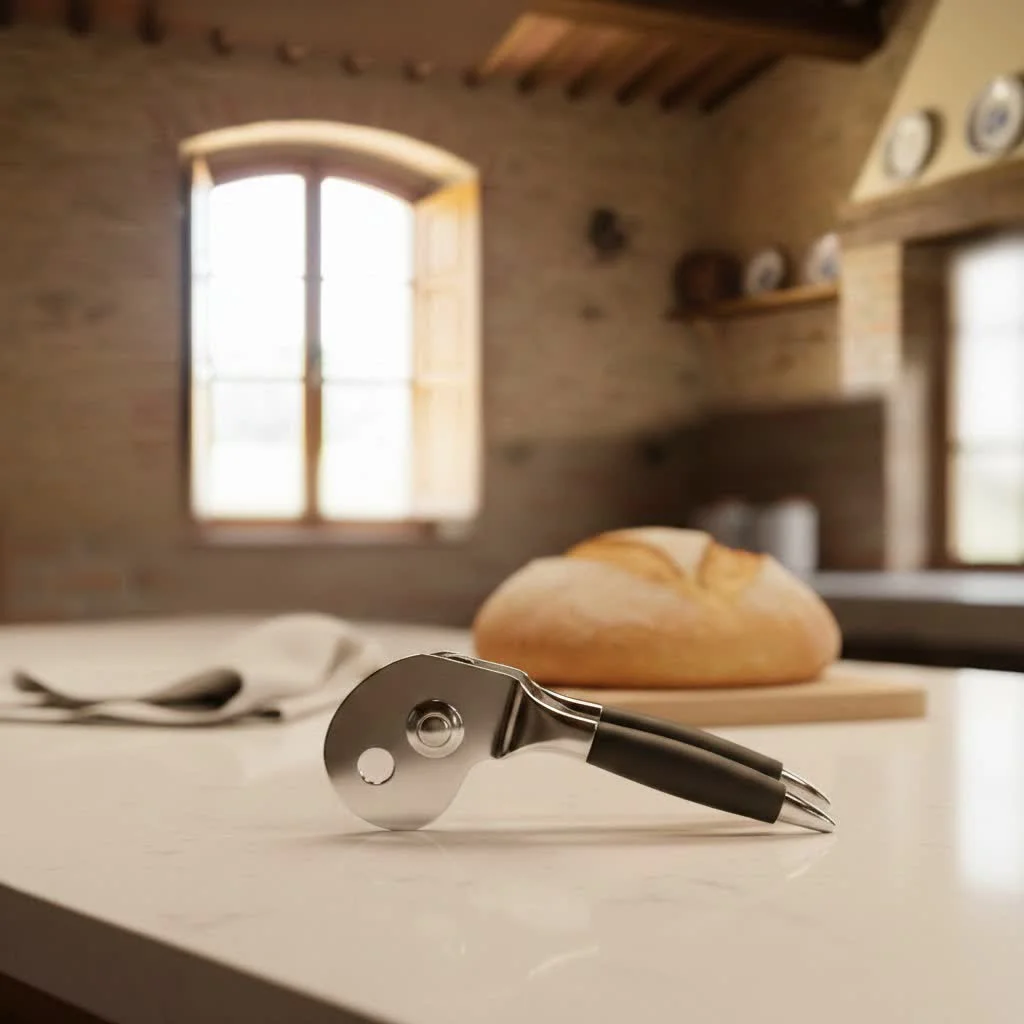
Choosing the Best Can Opener and Bottle Opener Combo
Selecting the ideal can opener and bottle opener isn’t just about finding something that works; it’s about investing in a tool that offers efficiency, safety, and durability for years to come. With countless options on the market, understanding the different types and what truly matters in their design can make all the difference. For shop curated reviews on this site.
Popular Types of Can Openers with Integrated Bottle Openers
The evolution of kitchen gadgets has brought forth several innovative designs, each with unique advantages. Many modern can openers now smartly incorporate a bottle opener, offering a two-in-one solution that streamlines your kitchen essentials.
- Manual Handheld Can Openers (with Bottle Opener)
These are the classic workhorses of the kitchen. A traditional manual can opener features a crank mechanism and two handles that clamp onto the can. Many models cleverly integrate a simple lever-style bottle opener into one of the handles or at the top. They are often praised for their affordability, portability, and independence from power sources, making them ideal for camping or emergency kits. However, they do require a degree of hand strength and can sometimes leave sharp edges on the can lid. - Electric Can Openers (with Bottle Opener Feature)
For those seeking convenience and effortless operation, electric can openers are a fantastic choice. These appliances handle the heavy lifting, often featuring an automatic cutting mechanism and a magnet to hold the can in place. Some countertop electric models include a removable multi-tool with a bottle opener and sometimes even a knife sharpener. They are excellent for individuals with limited hand strength or arthritis, offering a quick and clean cut, often with smooth edges. While they take up more counter space and require electricity, the ease of use is undeniable. - Top-Cut (Smooth Edge) Can Openers (often with Bottle Opener)
Safety is a primary concern for many, and top-cut or smooth-edge can openers address this directly. Instead of cutting down into the lid, these openers cut along the side of the can, separating the lid from the body without creating sharp edges. This design minimizes the risk of cuts and allows the lid to be safely placed back on the can for temporary storage. Many side-cut manual models also feature an integrated bottle opener, combining safety with multi-functionality. These can require a slight learning curve but are highly valued for their secure and clean operation. - Multi-functional Kitchen Gadgets
Beyond dedicated can openers, some comprehensive kitchen tools offer a wider array of functions, including can opening, bottle opening, and often jar opening, pull-tab lifting, or even wine cork removal. These gadgets are designed for maximum utility in a compact form, appealing to those who appreciate an “all-in-one” approach to kitchen tools. While they might not be as specialized as a standalone can opener, their versatility is a major draw.
Key Factors to Consider When Buying a Can Opener and Bottle Opener
|
Our Picks for the Best Can Opener in 2026
As an Amazon Associate I earn from qualifying purchases.
|
||
| Num | Product | Action |
|---|---|---|
| 1 | MARSWELL Hand Crank Can Opener Manual Heavy Duty, Commercial Can Openers with Ergonomic Rubber Coated Extra-Long Handles, Oversized Knob, Large Can Opener for Big Cans, Black |

|
| 2 | KitchenAid Classic Multifunction Can Opener and Bottle Opener Easy to Use, Razor Sharp Stainless Steel Cutting Wheel, Soft Ergonomic Handles, Empire Red |
|
| 3 | Beneno Can Opener, Manual Side Safe Cut Can Opener Smooth Edge with Durable Sharp Blade, Effort-Saving Knob & Comfortable Non-slip Handle, Brown |
|
| 4 | Beneno Heavy Duty Hand Can Opener Manual with Magnet, Durable Sharp Carbon Steel Blade Smooth Cutting, Big Effort-Saving Knob & Soft Grip Handle, Multifunctional Kitchen Tool with Bottle Opener, Green |
|
| 5 | Good Cook Can Opener, Safe Cut Manual Can Opener, no Sharp Can Edges, Black |
|
| 6 | Zulay Kitchen Heavy Duty Stainless Steel Can Opener Manual with Bottle Opener - Rust Proof Manual Can Opener With Turn Knob & Comfy Soft Grip Handles - Black |
|
| 7 | OXO Good Grips Smooth Edge Can Opener |
|
| 8 | Commercial Can Opener, UHIYEE Hand Crank Can Opener Manual Heavy Duty with Comfortable Extra-long Handles, Oversized Knob, Large Handheld Can Open Easy for Big Cans, Black |
|
| 9 | GORILLA GRIP Heavy Duty Stainless Steel Smooth Edge Manual Can Opener, Soft Comfortable Handle, Large Handheld Turn Knob, Built-In Bottle Openers, US Designed, Holiday Prep Kitchen Essential, Black |
|
| 10 | KitchenAid Classic Multifunction Can Opener and Bottle Opener Easy to Use, Razor Sharp Stainless Steel Cutting Wheel, Soft Ergonomic Handles, Pistachio |
|
When you’re ready to upgrade or replace your current opener, several critical factors should guide your decision to ensure you find a tool that meets your culinary demands.
- Material:
The material of your can opener directly impacts its durability and longevity.- Stainless steel: Known for its rust resistance, strength, and ease of cleaning, stainless steel is a premium choice for cutting wheels and structural components. It ensures a long-lasting, hygienic tool.
- High-grade plastic: Often used for handles and non-cutting parts, durable, high-grade plastic can provide a comfortable grip and lighter weight. Ensure it’s robust and impact-resistant for longevity.
- Durability:
A can opener is an investment, even a small one. You want a tool that stands the test of time.- Check user reviews: Real-world experiences often highlight common durability issues or exceptional longevity. Look for consistent positive feedback regarding the product’s construction.
- Choose reputable brands: Brands like OXO, KitchenAid, and Cuisinart consistently appear in top reviews for their quality and reliability in kitchen tools.
- Features:
The best can openers offer more than just basic functionality.- Versatility: Can it open various can sizes? Does the bottle opener handle different cap types? Some multi-tools even tackle jar lids or pull-tabs. The Bartelli Soft Edge 3-in-1, for instance, is noted for its ability to open cans, bottles, and jars.
- Ease of cleaning: A design that allows for easy rinsing or is dishwasher-safe is a significant advantage, preventing residue buildup and maintaining hygiene.
- Ergonomics and Ease of Use: A comfortable grip and smooth operation are paramount. Look for soft, non-slip handles and an easy-to-turn knob, especially if you experience hand fatigue or have arthritis. Some models feature a “lock-on” grip that reduces the need for constant squeezing.
- Price:
Can openers come in a wide range of price points, from budget-friendly manual options to high-end electric models.- Different price segments: Manual openers typically range from $10-$30, while quality electric models can cost $30-$60 or more.
- Compare value: Don’t just pick the cheapest option; consider the quality, features, and expected lifespan relative to the price. Sometimes, paying a little more upfront saves you from frequent replacements.
Comparison Table: Can Opener & Bottle Opener Types
To help you visualize the differences, here’s a quick comparison of the most common types that integrate bottle opening functionality:
| Feature | Manual Handheld (Traditional) | Top-Cut (Smooth Edge) | Electric (with Bottle Opener) |
|---|---|---|---|
| Advantages | Affordable, portable, simple design | Safe smooth edges, versatile | Effortless, quick, ideal for limited strength |
| Disadvantages | Can require effort, sharp lid edges | Can be pricier, slight learning curve | Higher cost, bulkier, needs power |
| Bottle Opener | Often integrated into handle/top | Often integrated into handle | Some models include a multi-tool |
| Ease of Use | Requires manual effort | Smooth rotation, less effort | One-touch operation |
| Safety | Can leave sharp edges | Eliminates sharp edges | Often leaves smooth edges |
Where to Purchase Your Can Opener and Bottle Opener
Finding the right tool is easier than ever with various retail channels available.
- Household Goods Stores: Physical stores allow you to feel the product, test the grip, and assess the build quality firsthand.
- Supermarkets: Many larger supermarkets carry a basic selection of manual can openers, often including combo tools.
- E-commerce Websites: Online retailers offer the widest selection, often with detailed product descriptions, user reviews, and competitive pricing. Sites like Amazon, Wayfair, and Abt.com are popular choices. Ensure you check return policies before purchasing.
Tips for Using and Maintaining Your Can Opener and Bottle Opener
Proper care ensures your multi-tool remains effective and hygienic for years.
- Clean after each use: Food residue can accumulate on blades and gears, leading to rust and reduced performance. Rinse thoroughly or wipe down, especially if it comes into contact with food. For dishwasher-safe models, follow manufacturer instructions.
- Store in a dry place: Moisture is the enemy of metal. Storing your opener in a dry drawer or cabinet prevents rust and corrosion.
- Lubricate periodically (if applicable): Some manual can openers with moving parts might benefit from a tiny drop of food-grade mineral oil to keep the gears turning smoothly.
> “A well-maintained can opener isn’t just a convenience; it’s a testament to a well-organized kitchen and a commitment to food safety. Always clean and dry your tools thoroughly.” – Chef Elena Rodriguez, Culinary Gadget Expert
Conclusion
Choosing the best can opener and bottle opener combo can significantly enhance your kitchen efficiency and safety. Whether you prefer the straightforward reliability of a manual model, the effortless convenience of an electric opener, or the innovative safety of a smooth-edge design, there’s a perfect tool waiting for you. Consider factors like material, durability, features, and price to make an informed decision. With the right can opener and bottle opener in hand, you’ll be ready to tackle any canned ingredient or bottled beverage with confidence and ease. What are you waiting for to upgrade your kitchen arsenal?
Frequently Asked Questions
What makes a can opener “safe-cut” or “smooth-edge”?
Safe-cut or smooth-edge can openers work by cutting around the side seam of the can, below the rim, rather than piercing the top lid. This method separates the lid from the can without creating sharp, jagged edges, making the can and lid safer to handle and dispose of.
Can an electric can opener also open bottles?
Some electric can openers include additional features, such as a built-in bottle opener or a removable multi-tool that can open bottles and pop-tops. Always check the product specifications to confirm if this functionality is included.
How often should I replace my can opener?
The lifespan of a can opener varies greatly depending on its type, material, and frequency of use. A high-quality stainless steel manual opener might last many years, while cheaper models or those with plastic gears could wear out faster. If your opener struggles to cut, leaves sharp edges, or shows signs of rust, it’s time for a replacement.
Are manual can openers with bottle openers suitable for people with arthritis?
While some manual models feature ergonomic, soft-grip handles and larger turning knobs designed for easier use, electric can openers are generally a better option for individuals with severe arthritis or limited hand strength, as they require minimal physical effort.
Is it necessary to clean my can opener after every use?
Yes, it is highly recommended to clean your can opener after every use. Food particles can get lodged in the cutting mechanism, leading to bacterial growth, odors, and corrosion over time. A quick rinse and thorough drying will keep your tool hygienic and functional.
Get our weekly buyer guide
Practical specs, not advice. Unsubscribe anytime.
