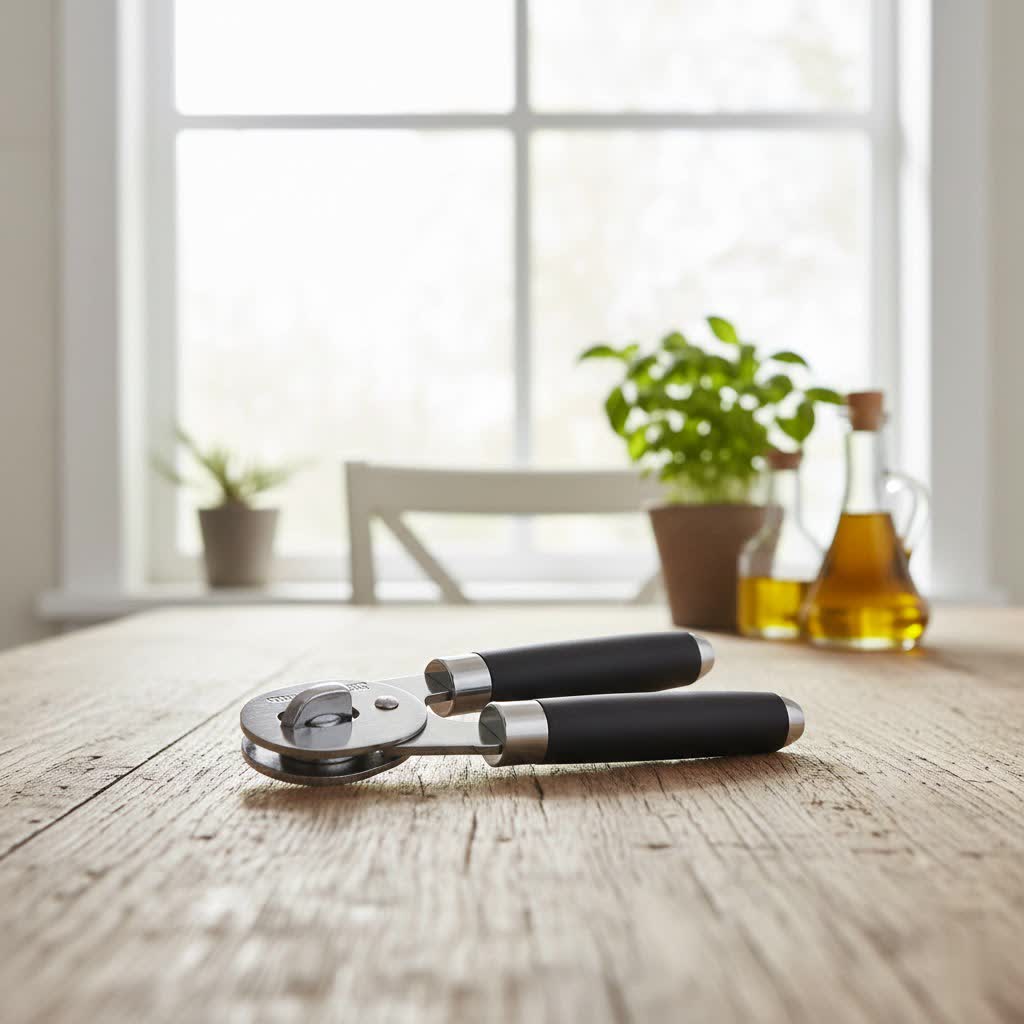
Choosing the perfect can opener significantly impacts daily cooking, transforming a frustrating task into a smooth, safe experience. The ideal can opener depends on individual needs, with options ranging from traditional manual (top-cut) for affordability to electric models for effortless operation, and safety manual (side-cut) for smooth, safe edges. Understanding the nuances of material, durability, and features ensures a confident selection that fits your lifestyle.
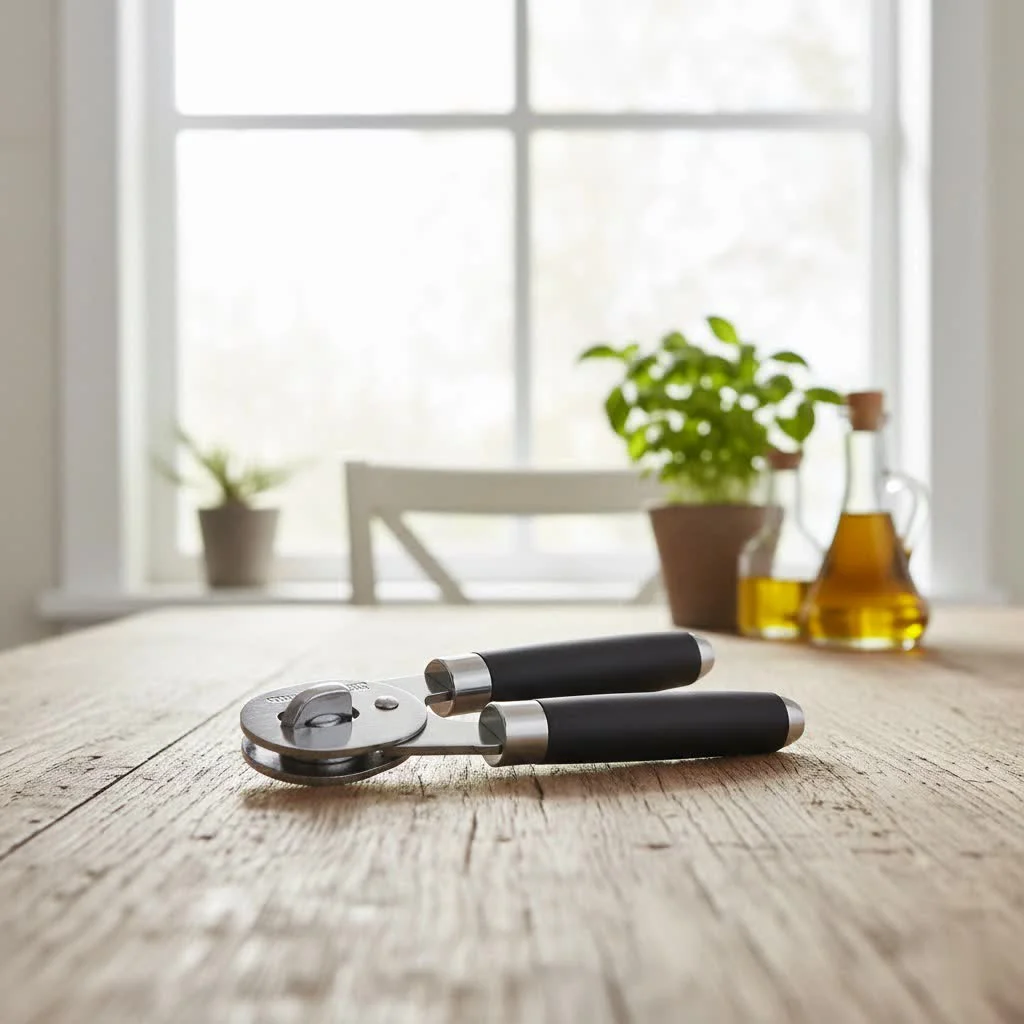
Your Guide to Selecting the Best Can Opener
Choosing the ideal can opener involves more than just picking the first one you see. It’s about understanding the different types available, evaluating their features against your personal requirements, and knowing what truly makes a quality product.
Popular Types of Can Openers
Can openers have evolved significantly, offering various mechanisms to suit different preferences and physical abilities.
-
Traditional Manual Can Openers (Top-Cut) These are the classic workhorses many of us grew up with. They operate by clamping onto the top edge of the can, with a rotating blade that punctures the lid and cuts along its inner rim as you turn a crank.
- Pros: Generally affordable, highly familiar, and straightforward to use for most people. They provide immediate sensory feedback, letting you feel the blade cutting through the metal.
- Cons: The primary drawback is that they leave sharp, jagged edges on both the lid and the can, posing a safety risk. The blade can also sometimes dip into the can’s contents, requiring more frequent cleaning.
-
Safety Manual Can Openers (Side-Cut/Smooth-Edge) Designed with safety in mind, these innovative manual can openers cut along the side of the can, just below the rim, rather than through the top. This method avoids creating any sharp edges.
- Pros: The biggest advantage is safety – the lid and can edges remain smooth and safe to touch. This “smooth edge” cut also means the blade doesn’t contact the food, making them more hygienic. Often, the removed lid can be re-seated on the can for temporary storage. Many models include lid-lifting mechanisms like magnets or mini-pliers to help remove the lid without touching it.
- Cons: They can have a slight learning curve compared to traditional models and are often a bit pricier. Some users might find the initial engagement with the can to be less intuitive.
-
Electric Can Openers For those seeking maximum convenience or struggling with hand strength, electric can openers are a major upgrade. These devices automatically grip and open cans with the push of a button or a simple lever operation.
- Pros: Effortless and fast, making them ideal for individuals with arthritis, carpal tunnel syndrome, or limited hand mobility. Many electric models also produce smooth, safe edges similar to side-cut manual openers.
- Cons: They typically take up more counter space, require an electrical outlet, and can be more challenging to clean than manual options. They also won’t function during a power outage.
-
Multi-functional Can Openers Some can openers go beyond their primary task, integrating additional features. These versatile tools might include bottle openers, jar grippers, or even pull-tab removers, making them a handy all-in-one gadget for your kitchen drawer.
Essential Factors When Buying a Can Opener
|
Our Picks for the Best Can Opener in 2026
As an Amazon Associate I earn from qualifying purchases.
|
||
| Num | Product | Action |
|---|---|---|
| 1 | Beneno Can Opener, Manual Side Safe Cut Can Opener Smooth Edge with Durable Sharp Blade, Effort-Saving Knob & Comfortable Non-slip Handle, Brown |

|
| 2 | OXO Good Grips Smooth Edge Can Opener |
|
| 3 | MARSWELL Hand Crank Can Opener Manual Heavy Duty, Commercial Can Openers with Ergonomic Rubber Coated Extra-Long Handles, Oversized Knob, Large Can Opener for Big Cans, Black |
|
| 4 | Zulay Kitchen Heavy Duty Stainless Steel Can Opener Manual with Bottle Opener - Rust Proof Manual Can Opener With Turn Knob & Comfy Soft Grip Handles - Black |
|
| 5 | Good Cook Can Opener, Safe Cut Manual Can Opener, no Sharp Can Edges, Black |
|
| 6 | GORILLA GRIP Heavy Duty Stainless Steel Smooth Edge Manual Can Opener, Soft Comfortable Handle, Large Handheld Turn Knob, Built-In Bottle Openers, US Designed, Holiday Prep Kitchen Essential, Black |
|
| 7 | KitchenAid Classic Multifunction Can Opener and Bottle Opener Easy to Use, Razor Sharp Stainless Steel Cutting Wheel, Soft Ergonomic Handles, Pistachio |
|
| 8 | KitchenAid Classic Multifunction Can Opener and Bottle Opener Easy to Use, Razor Sharp Stainless Steel Cutting Wheel, Soft Ergonomic Handles, Empire Red |
|
| 9 | Commercial Can Opener, UHIYEE Hand Crank Can Opener Manual Heavy Duty with Comfortable Extra-long Handles, Oversized Knob, Large Handheld Can Open Easy for Big Cans, Black |
|
| 10 | Beneno Heavy Duty Hand Can Opener Manual with Magnet, Durable Sharp Carbon Steel Blade Smooth Cutting, Big Effort-Saving Knob & Soft Grip Handle, Multifunctional Kitchen Tool with Bottle Opener, Green |
|
Beyond the basic type, several key attributes contribute to a can opener’s performance, durability, and user experience.
-
Material The materials used in a can opener’s construction dictate its longevity and feel.
- Stainless Steel: Often found in the cutting wheel and other critical components, stainless steel ensures durability, resistance to rust, and ease of cleaning. High-quality stainless steel contributes to a can opener’s lifespan.
- High-Grade Plastic: Used for handles and body, quality plastic can offer a comfortable, non-slip grip. Look for sturdy plastics that don’t feel flimsy, especially in electric models.
-
Durability A can opener should be a long-term investment.
- Check User Reviews: Real-world feedback is invaluable. Look for consistent praise regarding durability and performance over time.
- Choose Reputable Brands: Brands like OXO, Rösle, and Kuhn Rikon have established reputations for producing high-quality, reliable kitchen tools that stand the test of time. A good warranty can also indicate a manufacturer’s confidence in their product.
-
Features Thoughtful design features can significantly enhance usability and safety.
- Versatility: Can it handle various can sizes, from small tuna cans to large stew cans? Some are also equipped to handle cans with pull-tabs.
- Ease of Cleaning: Manual can openers with hinges that open wide are easier to scrub clean. Some manual parts are dishwasher safe. Electric can openers often require careful wiping down. Prioritize models that prevent food contact with the blade for better hygiene and easier cleaning.
- Safety Features: Side-cut mechanisms that leave smooth edges are paramount for safety. Features like built-in magnets or mini-pliers to lift and dispose of lids without direct contact are also highly beneficial, minimizing the risk of cuts.
- Ergonomics: Look for large, soft, non-slip handles that fit comfortably in your hand, reducing strain during use. An oversized, easy-to-turn knob provides better leverage and requires less effort. For manual models, a tight hinge ensures stability, while a mechanism that locks the handles together can reduce the amount of squeezing required.
-
Price Can openers come at various price points, reflecting differences in materials, features, and brand prestige.
- Different Price Segments: You can find basic manual openers for under $10, while high-end manual or feature-rich electric models can range from $30 to $60 or more.
- Compare Prices Among Suppliers: Once you’ve identified a few suitable models, compare prices across household goods stores, supermarkets, and online retailers to ensure you’re getting the best deal. Consider the long-term value and durability rather than just the initial cost.
Comparing Can Opener Types at a Glance
To help you quickly differentiate, here’s a brief comparison:
| Feature | Traditional Manual (Top-Cut) | Safety Manual (Side-Cut) | Electric |
|---|---|---|---|
| Pros | Affordable, familiar, simple to operate | Safe, smooth edges, hygienic, re-sealable | Effortless, fast, convenient |
| Cons | Sharp edges, requires effort, blade contact with food | Learning curve, generally higher cost | Space-consuming, needs power, harder to clean |
Where to Purchase Your Next Can Opener
Finding the right can opener is easy with numerous retail options:
- Household Goods Stores: Stores like Bed Bath & Beyond, Williams Sonoma, or local kitchen specialty shops often have a wide selection and knowledgeable staff who can offer recommendations.
- Supermarkets and Department Stores: Major retailers like Walmart, Target, or Macy’s typically carry a range of common can opener brands and types.
- E-commerce Websites: Online giants such as Amazon, Wayfair, and the official websites of brands like OXO or Rösle provide vast selections, detailed product descriptions, and user reviews.
Tips for Using and Maintaining Your Can Opener
Proper use and care will extend the life of your can opener and ensure it performs optimally every time.
- Clean After Every Use: For manual can openers, promptly wash the cutting wheel and gears with warm, soapy water. If the hinges open wide, it makes cleaning easier. Some manual models are dishwasher safe—always check the manufacturer’s instructions. For electric models, wipe down the cutting mechanism with a damp cloth, as they are rarely submersible.
- Store in a Dry Place: After cleaning, ensure your can opener is thoroughly dry before storing it. This prevents rust formation, especially on metal components.
- Lubricate Periodically (If Needed): While most modern can openers are designed for maintenance-free operation, very old or heavy-duty manual models might benefit from a tiny drop of food-grade mineral oil on the moving parts to keep them turning smoothly. This is generally not required for contemporary designs.
- Proper Technique: Always ensure the can opener is correctly aligned and securely gripped on the can before you start turning. A steady, even motion will result in a cleaner cut and reduce strain.
The right can opener isn’t just a tool; it’s an essential partner in your kitchen. With a decade of experience, I can attest that investing in a reliable, comfortable, and safe can opener will transform a mundane chore into a seamless part of your culinary routine. Consider your specific needs, explore the options, and choose a can opener that truly enhances your cooking journey.
Frequently Asked Questions
What is the safest type of can opener?
The safest can openers are typically “safety manual” or “side-cut” models. These cut along the side of the can, leaving a smooth, dull edge on both the lid and the can itself, eliminating the risk of accidental cuts. Many electric can openers also offer this smooth-edge cutting feature.
Can electric can openers open all can sizes?
Most electric can openers are designed to handle standard-sized cans and many pop-top varieties. However, exceptionally small, oversized, or unusually shaped cans might not fit correctly. Always check the product specifications if you frequently use non-standard can sizes.
How often should I replace my can opener?
A good quality can opener, especially a manual one, can last many years with proper care. You should consider replacing it when the blade becomes dull, the gears struggle to turn smoothly, or if it consistently leaves ragged, unfinished cuts. Electric models might need replacement if the motor weakens or the cutting mechanism fails.
Are manual can openers difficult to use if I have arthritis or weak hands?
Traditional manual can openers can be challenging for individuals with arthritis, carpal tunnel syndrome, or general hand weakness due to the grip and turning effort required. Electric can openers are an excellent alternative, offering hands-free operation. Some side-cut manual openers with large, ergonomic handles can also be easier to operate.
What is the main difference between top-cut and side-cut can openers?
The primary difference lies in how they cut the can. Top-cut (traditional) openers cut through the top of the lid, creating sharp edges. Side-cut (safety) openers cut along the side seam of the can, just below the rim, resulting in a smooth, safe edge on both the lid and the can. Side-cut openers also keep the blade from touching the food.
How to Choose the Best Can Opener
Selecting the right can opener involves understanding different types, evaluating features, and considering your personal needs for safety and ease of use.
Determine if a traditional manual, safety manual (side-cut), or electric can opener best suits your needs. Traditional models are affordable but leave sharp edges, while safety models offer smooth edges and hygiene. Electric openers provide effortless operation for those with limited hand strength.
Look for can openers made with stainless steel components for durability and rust resistance. High-grade plastic handles offer comfort and a non-slip grip. Check user reviews and choose reputable brands like OXO or Ru00f6sle for long-term reliability.
Prioritize features such as versatility for different can sizes, ease of cleaning (dishwasher-safe parts or easy-wipe surfaces), and safety features like smooth-edge cutting or lid-lifting magnets. Ergonomic handles and an easy-to-turn knob enhance user comfort and reduce strain.
Can openers range from under $10 for basic manual models to $30-$60+ for high-end manual or electric options. Compare prices across various retailers, considering long-term value and durability over initial cost to ensure a wise investment.
Get our weekly buyer guide
Practical specs, not advice. Unsubscribe anytime.

I never realized how much difference a good can opener could make until I got a new one based on the durability tips. My old one was always slipping. This new one feels solid and handles even the toughest cans without a problem. It’s made daily cooking much less frustrating.
I’ve always struggled with traditional manual can openers, but the electric model mentioned in the guide has been a game changer! It makes opening cans so much easier, especially when I’m cooking a big meal. No more hand cramps or jagged edges. Definitely worth the investment for the convenience.
I picked up a safety manual (side-cut) can opener after reading about them here. While I appreciate the smooth edges it leaves, sometimes it takes a few tries to get it to grip the can just right. It’s a bit finicky compared to my old top-cut one, but the safety aspect is a big plus.
This guide was really helpful in understanding the different types. I ended up going with a traditional manual top-cut opener because of the affordability. It works perfectly fine for my needs and feels pretty durable. I don’t open cans that often, so it’s a good basic option.