The humble can opener, often relegated to the back of a kitchen drawer, is far more than a simple utensil; it’s a gateway to convenience, a tool that effortlessly transforms sealed metal into accessible ingredients. From quick weeknight meals to gourmet creations, the right can opener is an indispensable partner. But with an array of designs, features, and functionalities, choosing the perfect can opener can feel overwhelming. This comprehensive guide will navigate you through the diverse world of can openers, helping you understand each type, what to consider before purchasing, and how to maintain your chosen tool for years of reliable service.
Guide to Choosing the Best Can Opener
Selecting the ideal can opener requires a thoughtful assessment of your specific needs, frequency of use, and any physical considerations. Understanding the different types available is the first step towards making an informed decision. For more reviews guides on this site.
Popular Types of Can Openers
Can openers have evolved significantly from their early knife-like designs, now offering specialized solutions for every kitchen task.
-
Traditional Manual Can Openers (Handheld/Rotating Wheel): These are the most recognizable, featuring two handles that clamp onto the can and a rotating wheel that cuts into the lid as you turn a crank. They are generally affordable, compact, and don’t require electricity, making them ideal for camping or emergency kits. However, they demand some hand strength and dexterity, and the cut edges can often be sharp, posing a safety risk. They are a timeless choice for their simplicity and portability.
-
Crank Can Openers: Often synonymous with the traditional manual type, these are characterized by a prominent crank handle that provides leverage, making them easier to operate than simpler lever-style openers. They are built for durability and steady performance, often found in a full metal construction.
-
Electric Can Openers: Designed for ultimate convenience, electric models eliminate manual effort entirely. They come in countertop or handheld battery-operated versions. Countertop electric can openers typically use a magnet to hold the can in place while a motor drives the cutting wheel, often leaving a smooth edge. Handheld electric models offer greater portability but still provide automated opening. They are a boon for individuals with limited hand strength, arthritis, or those who open many cans regularly. The trade-offs include needing a power source, potentially taking up counter space, and generally having a shorter lifespan than well-built manual counterparts.
-
Side-Cutting / Safety Can Openers: These innovative openers are designed to cut along the side seam of the can, just below the rim, rather than piercing the top. This method leaves a smooth, dull edge on both the can and the lid, significantly reducing the risk of injury. Another advantage is that the blade doesn’t touch the food inside, making them more hygienic. The removed lid can often be placed back on the can for temporary storage.
-
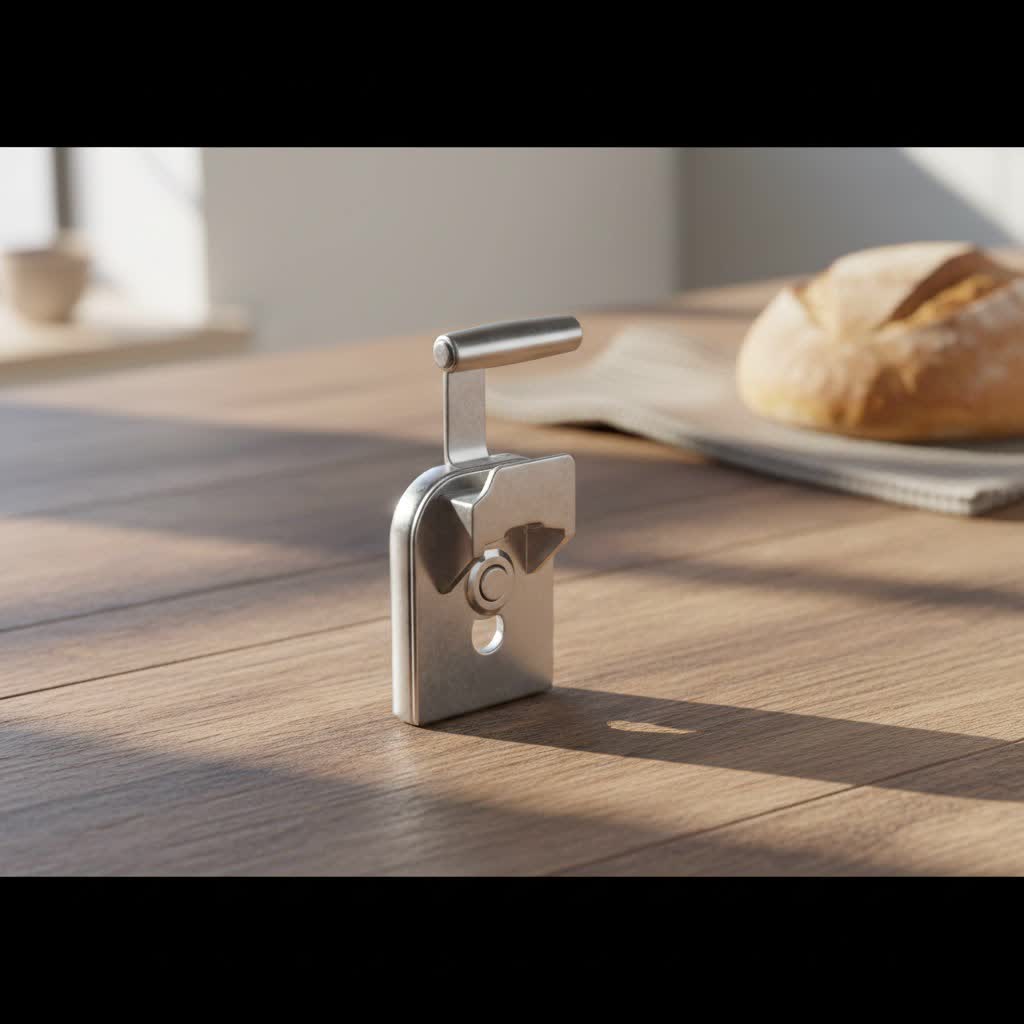
Draft Top Can Openers: A relatively new and specialized addition to the can opener family, the Draft Top Can Opener is designed exclusively for beverage cans. This unique tool removes the entire top of an aluminum can, effectively turning it into an open-top cup. This feature allows for an uninhibited pour, enhances the aroma and flavor of the beverage, and is perfect for adding garnishes to cocktails or mocktails directly in the can. The Draft Top Can Opener operates by clamping onto the can’s rim and, with a squeeze and twist, uses rotational blades to cut and fold the aluminum, aiming to create a smooth, safe drinking edge. It’s an excellent choice for parties, tailgating, or simply enjoying a canned drink as if it were poured into a glass.
Factors to Consider When Buying a Can Opener
|
Our Picks for the Best Can Opener in 2026
As an Amazon Associate I earn from qualifying purchases.
|
||
| Num | Product | Action |
|---|---|---|
| 1 | Zulay Kitchen Heavy Duty Stainless Steel Can Opener Manual with Bottle Opener - Rust Proof Manual Can Opener With Turn Knob & Comfy Soft Grip Handles - Black |

|
| 2 | MARSWELL Hand Crank Can Opener Manual Heavy Duty, Commercial Can Openers with Ergonomic Rubber Coated Extra-Long Handles, Oversized Knob, Large Can Opener for Big Cans, Black |
|
| 3 | Commercial Can Opener, UHIYEE Hand Crank Can Opener Manual Heavy Duty with Comfortable Extra-long Handles, Oversized Knob, Large Handheld Can Open Easy for Big Cans, Black |
|
| 4 | Beneno Can Opener, Manual Side Safe Cut Can Opener Smooth Edge with Durable Sharp Blade, Effort-Saving Knob & Comfortable Non-slip Handle, Brown |
|
| 5 | KitchenAid Classic Multifunction Can Opener and Bottle Opener Easy to Use, Razor Sharp Stainless Steel Cutting Wheel, Soft Ergonomic Handles, Empire Red |
|
| 6 | Good Cook Can Opener, Safe Cut Manual Can Opener, no Sharp Can Edges, Black |
|
| 7 | OXO Good Grips Smooth Edge Can Opener |
|
| 8 | GORILLA GRIP Heavy Duty Stainless Steel Smooth Edge Manual Can Opener, Soft Comfortable Handle, Large Handheld Turn Knob, Built-In Bottle Openers, US Designed, Holiday Prep Kitchen Essential, Black |
|
| 9 | Beneno Heavy Duty Hand Can Opener Manual with Magnet, Durable Sharp Carbon Steel Blade Smooth Cutting, Big Effort-Saving Knob & Soft Grip Handle, Multifunctional Kitchen Tool with Bottle Opener, Green |
|
| 10 | KitchenAid Classic Multifunction Can Opener and Bottle Opener Easy to Use, Razor Sharp Stainless Steel Cutting Wheel, Soft Ergonomic Handles, Pistachio |
|
Choosing the best can opener goes beyond just its type. Several key factors contribute to its overall performance, durability, and user experience.
-
Material: The construction material greatly impacts longevity and performance. Look for can openers made with stainless steel blades and gears, as this material offers superior corrosion resistance and durability. Handles often feature high-quality plastic or rubberized grips for comfort and non-slip security. Heavy-duty aluminum is also a reliable choice for robust construction.
-
Durability: A well-made can opener should be a long-term investment. Manual can openers with full metal construction, especially those with hardened stainless steel cutting wheels and metal gears, can last for decades with proper care. Electric models, while convenient, typically have a shorter lifespan, often ranging from 3 to 5 years, due to their more complex mechanisms and electronic components. Prioritize models known for their sturdy build and positive user reviews regarding longevity.
-
Features: Modern can openers come with various features designed to enhance usability and safety.
- Ergonomic Design: Comfortable, non-slip handles and large, easy-to-turn knobs significantly reduce hand strain, especially important for prolonged use or for individuals with grip issues.
- Magnetic Lid Lifters: Many side-cutting and electric models include a small magnet to safely lift the removed lid without direct hand contact.
- Multi-functionality: Some manual can openers incorporate additional tools like bottle openers or pull-tab grabbers, adding versatility.
- Smooth Edge Cutting: As discussed, side-cutting openers and many electric models prioritize safety by leaving a smooth, burr-free edge. The Draft Top Can Opener also aims to provide a smooth rim for direct drinking.
-
Safety: This is paramount, especially when handling sharp metal. Side-cutting can openers are inherently safer due to their design, producing smooth edges. Magnetic lid lifters minimize contact with potentially sharp edges. For tools like the Draft Top Can Opener, proper technique is essential to ensure a clean, safe cut and prevent any flimsy edges. Always choose a can opener that feels secure in your hand and operates smoothly to prevent slips or accidents.
-
Price: Can opener prices vary widely, from a few dollars for basic manual models to higher-end electric or specialized options. While budget-friendly options exist, investing a bit more in a durable, feature-rich can opener often pays off in terms of ease of use, safety, and longevity. Compare prices across different retailers and consider the long-term value.
Comparison Table: Popular Can Opener Types
| Feature | Traditional Manual | Electric | Side-Cutting (Safety) | Draft Top |
|---|---|---|---|---|
| Ease of Use | Moderate | Very High | High | Moderate (specific use) |
| Safety | Potential sharp edges | High (smooth edges) | Very High (smooth edges) | High (smooth edges) |
| Speed | Moderate | Fast | Moderate | Fast (for beverages) |
| Power Source | Manual | Electricity/Batteries | Manual | Manual |
| Can Types | Food cans | Food cans | Food cans | Beverage cans (aluminum) |
| Counter Space | Low | High/Low (handheld) | Low | Low |
Where to Buy Your Can Opener?
Can openers are widely available, making them easy to purchase.
- Household Goods Stores: Stores specializing in kitchenware and home essentials often have a good selection, allowing you to physically examine different models.
- Supermarkets: Most large grocery stores carry a range of basic to mid-range can openers, offering convenience while you shop for other items.
- E-commerce Websites: Online retailers provide the widest selection, often with detailed product descriptions, customer reviews, and competitive pricing. This is an excellent option for finding specialized tools like the Draft Top Can Opener.
Tips for Using and Maintaining Your Can Opener
Proper use and regular maintenance are crucial for extending the life of your can opener, preventing rust, and ensuring hygienic operation.
- Cleaning After Every Use: After opening a can, immediately wash your can opener with hot water and dish soap. Pay special attention to the cutting wheel and gears, where food residue can easily get trapped. This prevents the buildup of bacteria and gunk.
- Thorough Drying: This is perhaps the most critical step in preventing rust. After washing, dry the can opener thoroughly with a dishtowel. Then, leave its handles open (for manual models) to allow air circulation and complete air drying before storing. Stainless steel is rust-resistant, but not entirely rust-proof, especially if left wet.
- Removing Stubborn Gunk: If residue has built up in the gears, clamp the can opener onto a folded piece of paper towel or wax paper and turn the handle. This can help dislodge trapped particles.
- Disinfecting: Periodically, you can disinfect your can opener by spritzing it with a diluted bleach solution (one teaspoon of bleach per gallon of hot water), letting it sit for a few minutes, then rinsing and thoroughly drying. For rust, soaking in white vinegar overnight can help loosen it before scrubbing.
- Applying Food-Grade Mineral Oil: For manual can openers, applying a small amount of food-grade mineral oil to the gears using a clean cloth can help lubricate them and further prevent rust.
- Proper Storage: Store your can opener in a dry place to minimize exposure to moisture.
Frequently Asked Questions
What makes a “safety” can opener different?
A “safety” can opener, also known as a side-cutting can opener, is designed to cut along the can’s side seam, just below the rim, rather than through the top lid. This innovative method leaves a smooth, dull edge on both the can and the removed lid, significantly reducing the risk of cuts and injuries compared to traditional top-cutting models. These openers also prevent the blade from contacting the food, enhancing hygiene.
Can a Draft Top opener be used on food cans?
No, the Draft Top Can Opener is specifically designed for aluminum beverage cans (such as soda, beer, and energy drinks). It works by cutting and folding the aluminum rim of these cans to create a completely open top, transforming the can into a cup. It is not intended for use on traditional food cans, which are typically made of steel and have a different sealing mechanism. Using it on food cans may damage the opener or the can.
How often should I replace my can opener?
The lifespan of a can opener varies by type and quality. High-quality manual can openers, especially those with robust metal construction and hardened steel blades, can last for many decades with proper cleaning and maintenance. Electric can openers, due to their more complex internal mechanisms, typically last between 3 to 5 years. Replace your can opener if it becomes difficult to operate, leaves jagged or uneven edges, or shows signs of excessive rust or dullness that cannot be remedied with cleaning and lubrication.
Get our weekly buyer guide
Practical specs, not advice. Unsubscribe anytime.
