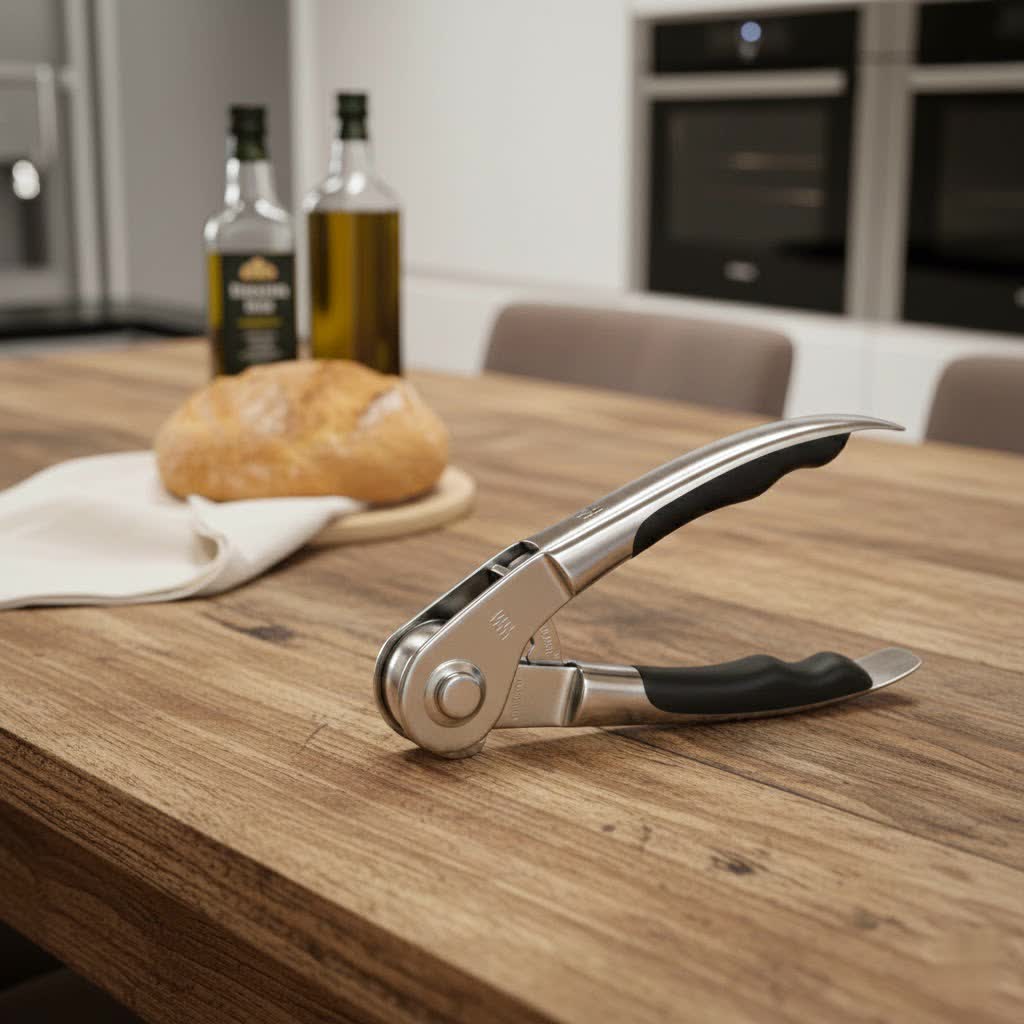
Have you ever found yourself in the kitchen, wrestling with a stubborn can, only to have your can opener slip, jam, or worse, leave behind a dangerously jagged edge? It’s a common frustration, turning a simple task into a daunting challenge. With so many options on the market, from basic designs to advanced models, finding a reliable hand held can opener that truly makes life easier can feel overwhelming. This comprehensive guide will navigate you through the world of hand held can openers, offering expert advice to help you select a durable, efficient, and safe tool that perfectly fits your culinary needs.
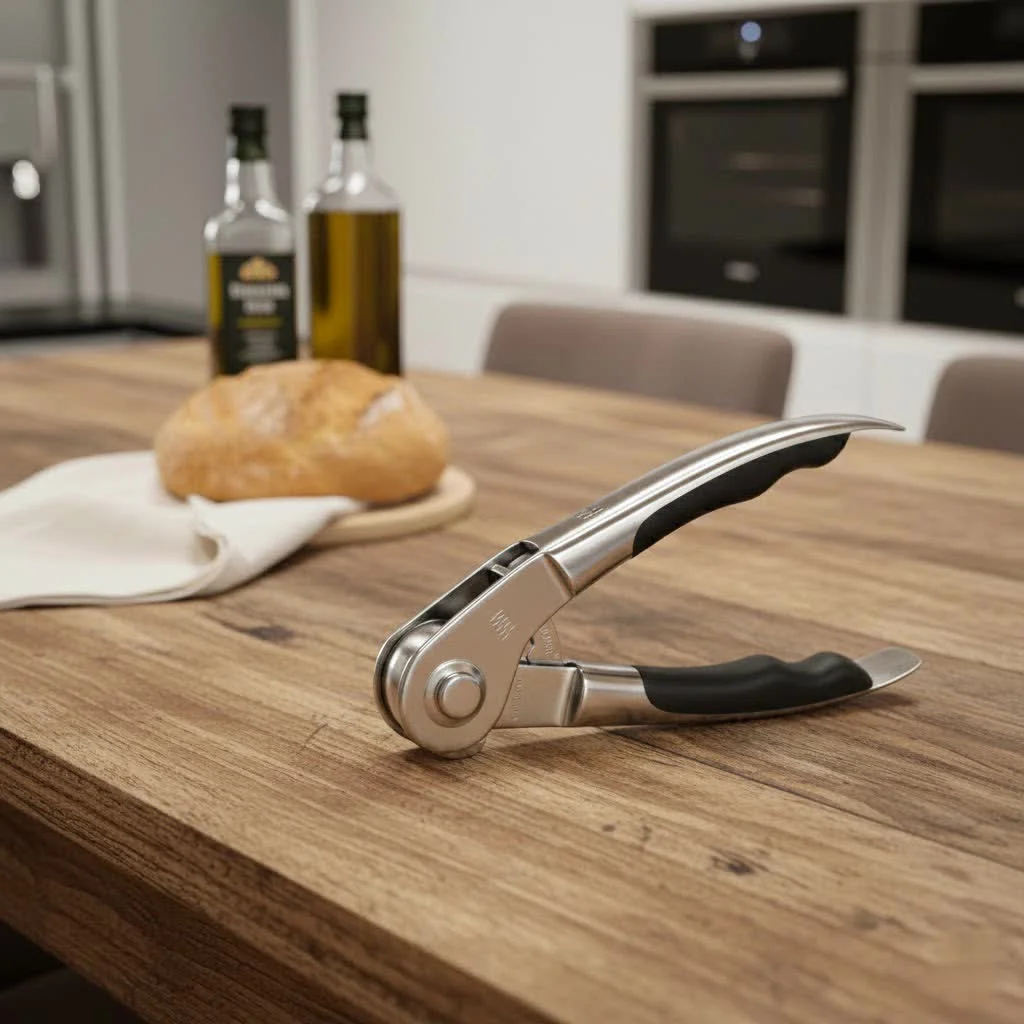
Guide to Choosing the Best Hand Held Can Opener
Selecting the right hand held can opener goes beyond just finding one that cuts. It’s about understanding the different mechanisms, materials, and ergonomic features that contribute to a seamless, safe, and enjoyable experience every time you reach for a canned ingredient.
Types of Hand Held Can Openers
Understanding the fundamental types of manual can openers is the first step to making an informed decision. Each design offers distinct advantages and disadvantages.
-
Traditional Hand-Held (Rotary/Top-Cut) Can Openers
These are the classic models most people grew up with, featuring two handles that clamp onto the can and a rotating wheel that pierces and cuts the lid from the top.- Pros: Generally the most affordable option, simple and intuitive to use for many, compact for storage.
- Cons: Can leave very sharp, jagged edges on the lid and can itself, requiring careful handling. The cutting wheel may come into contact with the food, potentially requiring more frequent cleaning.
- Example: Many standard models fall into this category, often lauded for their straightforward functionality.
-
Safety (Smooth-Edge/Side-Cut) Hand-Held Can Openers
These innovative can openers cut along the side of the can, just below the rim, rather than through the top. This results in a smooth, blunt edge on both the lid and the can.- Pros: Eliminates sharp edges, significantly reducing the risk of injury. The lid can often be re-placed on the can for temporary storage. The cutting mechanism does not touch the food, making it more hygienic and easier to clean.
- Cons: Often more expensive than traditional models, and may require a slight learning curve to operate correctly. Some users find them initially harder to engage with the can.
- Example: Brands like OXO Good Grips Smooth Edge and Kuhn Rikon offer popular side-cut models.
-
Multi-Functional Hand-Held Can Openers
While not a distinct cutting mechanism type, many hand held can openers, both traditional and safety models, incorporate additional tools.- Features often include: Integrated bottle openers, pull-tab assist hooks, or even lid-lifting pliers.
- Benefit: Provides added versatility in the kitchen, reducing the need for multiple single-purpose gadgets.
Key Factors When Buying a Hand Held Can Opener
|
Our Picks for the Best Can Opener in 2026
As an Amazon Associate I earn from qualifying purchases.
|
||
| Num | Product | Action |
|---|---|---|
| 1 | Good Cook Can Opener, Safe Cut Manual Can Opener, no Sharp Can Edges, Black |

|
| 2 | Commercial Can Opener, UHIYEE Hand Crank Can Opener Manual Heavy Duty with Comfortable Extra-long Handles, Oversized Knob, Large Handheld Can Open Easy for Big Cans, Black |
|
| 3 | Beneno Heavy Duty Hand Can Opener Manual with Magnet, Durable Sharp Carbon Steel Blade Smooth Cutting, Big Effort-Saving Knob & Soft Grip Handle, Multifunctional Kitchen Tool with Bottle Opener, Green |
|
| 4 | OXO Good Grips Smooth Edge Can Opener |
|
| 5 | KitchenAid Classic Multifunction Can Opener and Bottle Opener Easy to Use, Razor Sharp Stainless Steel Cutting Wheel, Soft Ergonomic Handles, Empire Red |
|
| 6 | GORILLA GRIP Heavy Duty Stainless Steel Smooth Edge Manual Can Opener, Soft Comfortable Handle, Large Handheld Turn Knob, Built-In Bottle Openers, US Designed, Holiday Prep Kitchen Essential, Black |
|
| 7 | Beneno Can Opener, Manual Side Safe Cut Can Opener Smooth Edge with Durable Sharp Blade, Effort-Saving Knob & Comfortable Non-slip Handle, Brown |
|
| 8 | Zulay Kitchen Heavy Duty Stainless Steel Can Opener Manual with Bottle Opener - Rust Proof Manual Can Opener With Turn Knob & Comfy Soft Grip Handles - Black |
|
| 9 | MARSWELL Hand Crank Can Opener Manual Heavy Duty, Commercial Can Openers with Ergonomic Rubber Coated Extra-Long Handles, Oversized Knob, Large Can Opener for Big Cans, Black |
|
| 10 | KitchenAid Classic Multifunction Can Opener and Bottle Opener Easy to Use, Razor Sharp Stainless Steel Cutting Wheel, Soft Ergonomic Handles, Pistachio |
|
Beyond the basic type, several critical factors influence a can opener’s performance, durability, and user comfort.
-
Material:
- Stainless Steel: Highly recommended for its durability, resistance to rust and corrosion, and ease of cleaning. Stainless steel blades maintain their sharpness longer and contribute to the overall longevity of the tool.
- High-Quality Plastic: Often used for handles, providing a comfortable, non-slip grip. Ensure the plastic is robust and designed for repeated use without cracking or breaking. Avoid flimsy plastic that can fatigue hands or fail over time.
- Choosing high-quality materials ensures your can opener can withstand the rigors of frequent kitchen use.
-
Durability:
- User Reviews: Always check reviews for consistent feedback on a product’s lifespan and common failure points.
- Reputable Brands: Investing in established brands known for kitchen tools often means better quality control and material selection.
- Look for a sturdy build, especially in the cutting mechanism and hinge. A tight, well-constructed hinge prevents wobbling and ensures smooth operation over time. Thin, easily bendable metal components are a red flag for premature wear.
-
Features:
- Ergonomic Handles: Look for soft, comfortable, non-slip grips that fit well in your hand. Larger handles can reduce hand fatigue, especially for those with arthritis or limited grip strength. Some designs even offer handles that lock together for easier leverage.
- Smooth Cutting Action: Regardless of cutting style, the opener should operate smoothly without excessive force or jamming. A large, easy-to-turn knob provides better leverage and a more fluid rotation.
- Lid Lifting Mechanisms: For safety openers, features like a built-in magnet or small pliers to lift the severed lid hygienically are highly advantageous.
- Versatility: Additional features like a bottle opener or pull-tab opener can make your can opener a true multi-tasker.
-
Price:
- Hand held can openers vary widely in price, from under $10 to over $40 for premium models.
- While budget-friendly options exist, investing a little more often translates to better materials, improved ergonomics, and greater longevity. Consider your frequency of use and specific needs when determining your budget. A slightly higher initial cost can save you from repeatedly replacing cheaper, ineffective openers.
Comparison Table of Hand Held Can Openers
| Feature | Traditional Hand-Held (Top-Cut) | Safety (Smooth-Edge) Hand-Held (Side-Cut) |
|---|---|---|
| Advantages | – Generally more affordable – Simple, familiar design – Widely available |
– Leaves smooth, safe edges – Blade does not touch food (more hygienic) – Lid can often be re-covered for temporary storage |
| Disadvantages | – Can leave sharp, dangerous edges – Cutting wheel may contact food – Requires more effort to turn |
– Often pricier – May have a slight learning curve – Can be slower for some users |
Where to Buy Your Hand Held Can Opener?
Finding the ideal hand held can opener is easier than ever with various purchasing options available.
- Household Stores: Physical retailers often allow you to handle the product, testing the grip and feel before purchase.
- Supermarkets: Many grocery stores carry basic to mid-range models, convenient for an immediate need.
- E-commerce Websites: Online platforms like Amazon, Walmart, or specialty kitchenware sites offer the widest selection, competitive pricing, and invaluable customer reviews for research. This allows you to compare many models and brands from the comfort of your home.
Using and Maintaining Your Hand Held Can Opener
Even the best can opener requires proper usage and care to perform optimally and last for years.
Tips for Optimal Use
Using your can opener correctly ensures safety and efficiency. Always place the can on a stable surface. For traditional openers, ensure the cutting wheel securely grips the can’s rim before turning the knob. For side-cut openers, align the opener flush against the can’s side and turn the knob until you feel it engage. Turn the handle steadily and apply consistent pressure. Do not force the mechanism if it feels stuck; check for misalignment or debris.
Cleaning and Storage
Proper maintenance is crucial for extending the life of your hand held can opener.
- Clean Immediately: After each use, wash your can opener with warm, soapy water. Food particles can get lodged in the gears and blade, leading to rust and reduced performance. A small brush or old toothbrush can help dislodge stubborn bits.
- Dry Thoroughly: Always dry your can opener completely after washing. Moisture, especially left in crevices, is the primary cause of rust, particularly on metal components.
- Lubrication (If Applicable): For models with visible moving metal parts or gears, a tiny drop of food-grade mineral oil applied periodically can keep the mechanism running smoothly. Wipe off any excess.
- Storage: Store your can opener in a dry drawer or hang it where it won’t be exposed to moisture or extreme temperatures.
Troubleshooting Common Issues
Even the most reliable hand held can openers can encounter hiccups.
- Opener Not Gripping/Rolling: The most common cause is food debris trapped in the cutting wheel or gear. A thorough cleaning often resolves this. Sometimes, the opener’s components may become slightly misaligned; visually inspect for any bent parts or loose screws that might need tightening.
- Jagged Edges (for traditional openers): This often indicates a dull blade or improper technique. Ensure the blade is properly engaged and you’re applying consistent, firm pressure. If the blade is dull, it might be time for a replacement.
- Difficulty Turning: Beyond debris, this can be a sign of a stiff mechanism needing lubrication, or simply an indication of a lower-quality opener with poor leverage.
Conclusion
Choosing the right hand held can opener can truly transform your kitchen experience, making meal prep safer, easier, and more enjoyable. By understanding the distinctions between traditional and safety models, focusing on ergonomic design, durable materials like stainless steel, and committing to simple maintenance, you can find a reliable tool that serves you faithfully for years. Don’t settle for a can opener that causes frustration; invest in one that delivers smooth, effortless performance every time. What’s one feature you absolutely can’t live without in your ideal hand held can opener?
Frequently Asked Questions
What makes a “safety” can opener safer than a traditional one?
A safety can opener cuts along the side of the can, just below the rim, rather than through the top. This side-cutting action leaves a smooth, blunt edge on both the lid and the can, significantly reducing the risk of accidental cuts from sharp edges commonly produced by traditional top-cutting openers.
How often should I clean my hand held can opener?
It’s best practice to clean your hand held can opener immediately after every use. Food particles and moisture can get trapped in the gears and cutting mechanism, leading to rust, dulling of the blade, and hygienic issues. A quick wash with warm, soapy water and thorough drying will keep it in optimal condition.
Get our weekly buyer guide
Practical specs, not advice. Unsubscribe anytime.

I’ve been using a cheap can opener for years and finally decided to upgrade after reading about the importance of ergonomic features. This guide really helped me understand what to look for. I ended up getting a model with a soft-grip handle, and it’s made such a difference for my hands. No more struggling with slippery metal!
I was so tired of my old can opener leaving jagged edges, which was a real safety concern. This guide highlighted how important a clean cut is. I found a top-rated model that was mentioned for its smooth edge cutting, and it’s been fantastic. Opening cans is no longer a daunting challenge, and I feel much safer in the kitchen.
I appreciate the breakdown of different mechanisms, especially the side-cut vs. top-cut. I went with a side-cut opener hoping to avoid sharp edges, and while it mostly works well, sometimes it takes a few tries to get it to grip properly. It’s not terrible, but it’s not as seamless as I’d hoped every time.
This guide was super helpful in pointing out the durable materials to look for. My old opener always felt flimsy. I invested in one with stainless steel components, and it feels much more robust. It cuts through cans smoothly and I don’t have to worry about it breaking down anytime soon. Definitely a good purchase.