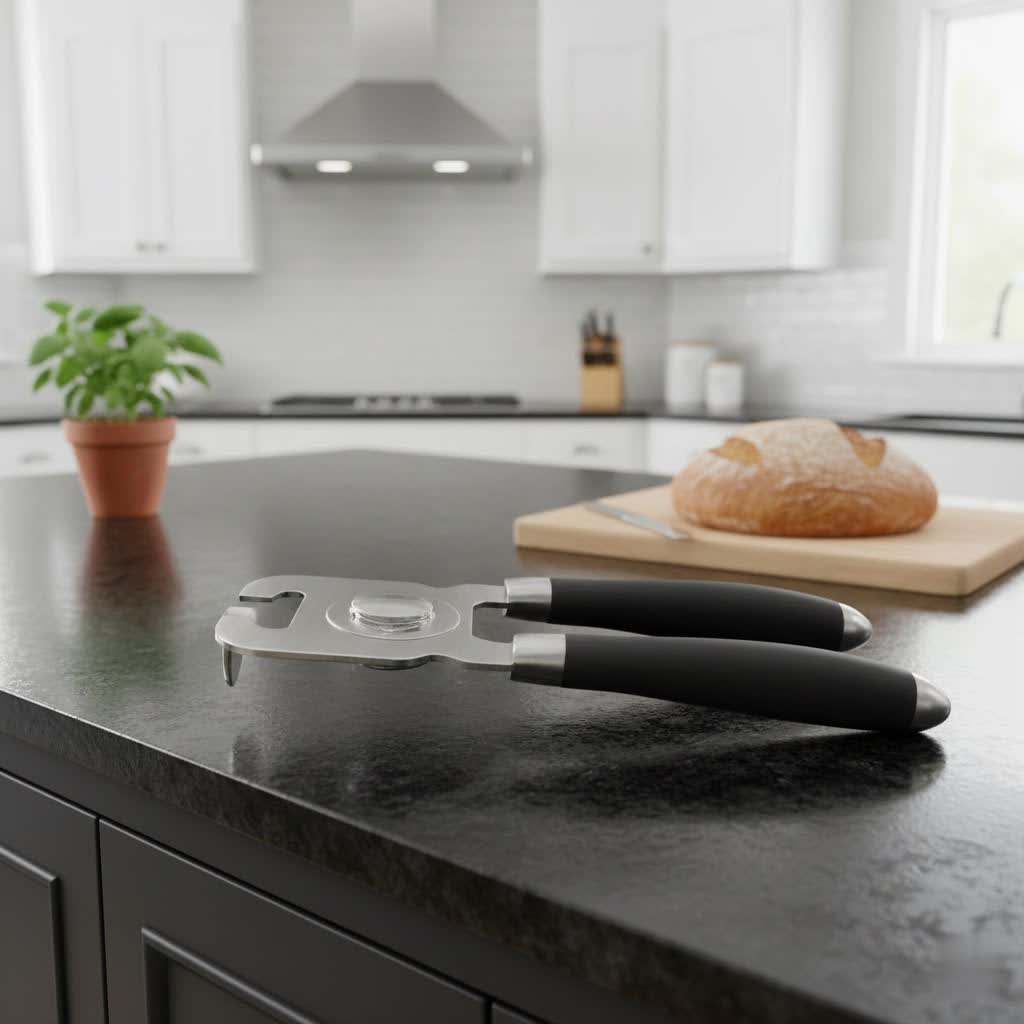
A paint can opener is an essential tool for any painting project, ensuring a mess-free experience and preserving your paint. These dedicated tools are designed to safely and efficiently remove airtight lids from paint cans by providing optimal leverage, minimizing spills, and preventing injuries often associated with makeshift tools like screwdrivers or knives. Using a proper paint can opener helps maintain the lid’s shape, which is crucial for achieving an airtight seal when resealing and extending the paint’s shelf life.
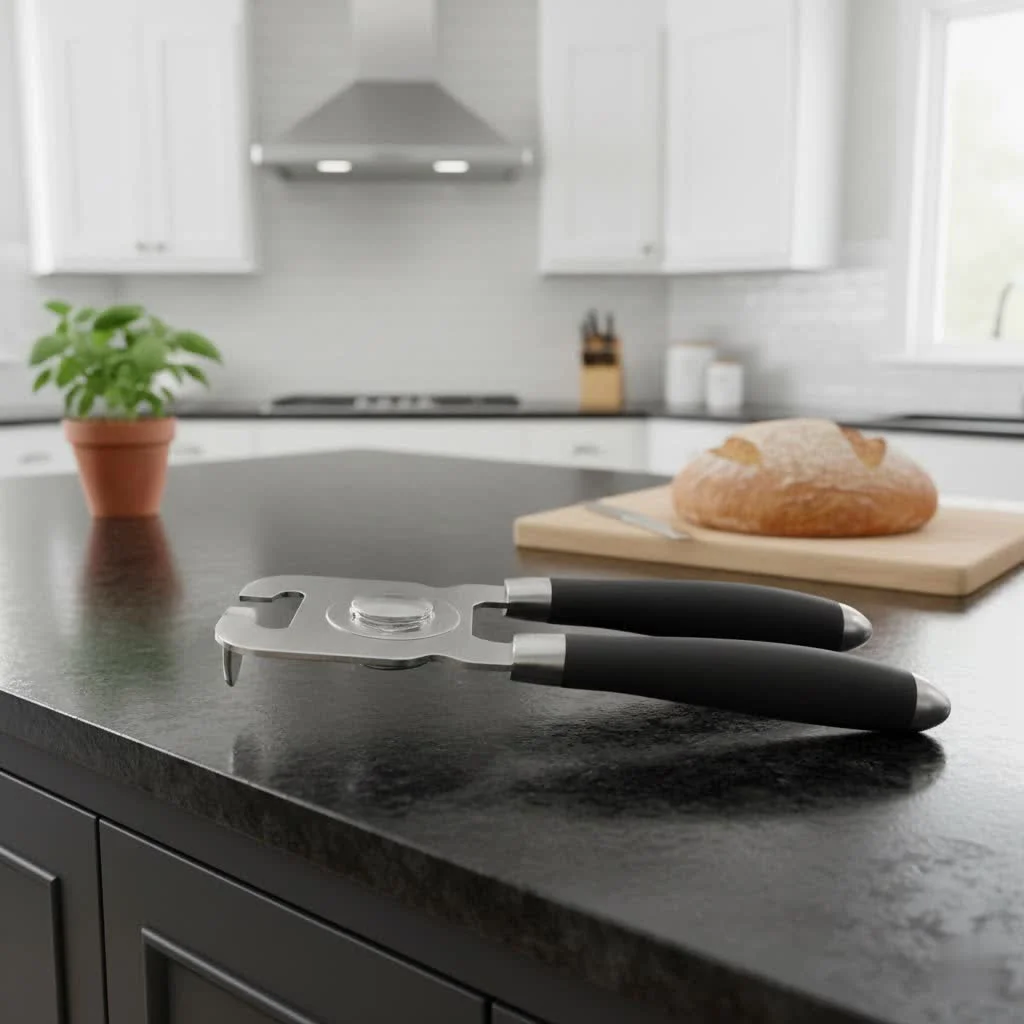
Understanding the Paint Can Opener
A paint can opener is an indispensable tool designed to safely and efficiently remove the airtight lids from paint cans. Its primary purpose is to provide leverage, allowing you to pry open the lid without damaging the can or its contents, minimizing spills, and preventing potential injuries that can arise from using unsuitable tools like screwdrivers or knives. Using a dedicated paint can opener ensures the lid maintains its shape, crucial for achieving a proper seal when resealing the can and preserving the paint for future use.
Why a Dedicated Tool Matters
While it might be tempting to grab the nearest screwdriver or even a butter knife, these makeshift tools can often lead to frustration and damage. They can bend or distort the metal lid, making it impossible to reseal the can properly, which in turn leads to dried-out paint and wasted product. A proper paint can opener, conversely, is crafted to fit snugly under the lid’s rim, providing the right leverage without causing deformation. [cite: 2_2, 4_4]
Types of Paint Can Openers
The world of paint can openers offers more variety than you might expect, each designed to cater to different needs and preferences. Understanding these types will help you select the best tool for your projects.
Traditional/Lever-Style Paint Can Opener (Paint Key)
This is the most common and often what comes to mind when you think of a paint can opener. Typically made of metal, it features a hooked or C-shaped end and a flat handle. Its simplicity is its strength: you insert the hook under the lid’s rim and gently pry upwards. These are often inexpensive and sometimes even given away at paint stores. They are effective for opening standard pint, quart, and gallon metal paint cans. [cite: 1_4, 2_2]
Multi-functional Painter’s Tool (5-in-1)
For those who appreciate versatility, the multi-functional painter’s tool is a major upgrade. These tools combine a paint can opener with other essential painting utilities, such as scrapers, roller frame cleaners, crack openers, and sometimes even a flat-head screwdriver or a hammer end for closing cans. Made from durable steel, often galvanized for rust resistance, a 5-in-1 tool reduces the need for multiple single-purpose gadgets, streamlining your toolkit. [cite: 1_4, 5_5]
Plastic Lid Lifters
|
Our Picks for the Best Can Opener in 2026
As an Amazon Associate I earn from qualifying purchases.
|
||
| Num | Product | Action |
|---|---|---|
| 1 | Zulay Kitchen Heavy Duty Stainless Steel Can Opener Manual with Bottle Opener - Rust Proof Manual Can Opener With Turn Knob & Comfy Soft Grip Handles - Black |

|
| 2 | Beneno Heavy Duty Hand Can Opener Manual with Magnet, Durable Sharp Carbon Steel Blade Smooth Cutting, Big Effort-Saving Knob & Soft Grip Handle, Multifunctional Kitchen Tool with Bottle Opener, Green |
|
| 3 | MARSWELL Hand Crank Can Opener Manual Heavy Duty, Commercial Can Openers with Ergonomic Rubber Coated Extra-Long Handles, Oversized Knob, Large Can Opener for Big Cans, Black |
|
| 4 | KitchenAid Classic Multifunction Can Opener and Bottle Opener Easy to Use, Razor Sharp Stainless Steel Cutting Wheel, Soft Ergonomic Handles, Pistachio |
|
| 5 | GORILLA GRIP Heavy Duty Stainless Steel Smooth Edge Manual Can Opener, Soft Comfortable Handle, Large Handheld Turn Knob, Built-In Bottle Openers, US Designed, Holiday Prep Kitchen Essential, Black |
|
| 6 | Beneno Can Opener, Manual Side Safe Cut Can Opener Smooth Edge with Durable Sharp Blade, Effort-Saving Knob & Comfortable Non-slip Handle, Brown |
|
| 7 | KitchenAid Classic Multifunction Can Opener and Bottle Opener Easy to Use, Razor Sharp Stainless Steel Cutting Wheel, Soft Ergonomic Handles, Empire Red |
|
| 8 | Good Cook Can Opener, Safe Cut Manual Can Opener, no Sharp Can Edges, Black |
|
| 9 | OXO Good Grips Smooth Edge Can Opener |
|
| 10 | Commercial Can Opener, UHIYEE Hand Crank Can Opener Manual Heavy Duty with Comfortable Extra-long Handles, Oversized Knob, Large Handheld Can Open Easy for Big Cans, Black |
|
Designed specifically for plastic paint cans and lids, plastic lid lifters are lightweight and aim to prevent the scratching and damage that metal tools can inflict on plastic surfaces. While excellent for their intended purpose, they may not be robust enough for metal cans and could bend or break under the force required for a tightly sealed metal lid. [cite: 1_4, 2_2]
Automatic and Pneumatic Openers
These specialized openers are typically found in industrial settings or by professionals who open a high volume of paint cans. Automatic openers require minimal effort, ideal for those with limited hand strength or mobility. Pneumatic openers use air pressure for effortless opening, primarily in large-scale operations. [cite: 2_2]
Factors to Consider When Choosing Your Best Paint Can Opener
Selecting the right paint can opener involves more than just picking the first one you see. Consider these factors to ensure you choose a tool that truly fits your needs and provides lasting value.
Material (Durability: Steel vs. Plastic)
The material of your paint can opener directly impacts its durability and effectiveness.
- Steel (or Titanium): Metal openers, especially those made from stainless or galvanized steel, offer superior strength and longevity. They are resistant to bending and rusting, making them ideal for frequent use and for tackling stubborn metal lids. Some premium options even feature titanium for exceptional durability, promising a “buy once, cry once” investment. [cite: 1_4, 5_2]
- Plastic: Plastic lid lifters are great for delicate plastic cans, preventing damage. However, for metal cans, they are less durable and prone to breaking.
Ergonomics & Ease of Use
A comfortable grip and intuitive design are crucial, especially if you have multiple cans to open. Look for openers with ergonomic handles that provide a firm, slip-free grip to reduce strain. The shape of the prying end should allow for easy insertion under the lid and efficient leverage.
Versatility (Single vs. Multi-tool)
Decide if you need a dedicated single-purpose opener or a multi-functional tool. If you primarily just open paint cans, a traditional paint key might suffice. However, if you regularly engage in painting projects that require scraping, cleaning rollers, or other tasks, a 5-in-1 painter’s tool can be a valuable addition, consolidating your tools and saving space.
Can Type & Size Compatibility
Most traditional paint can openers are designed for standard pint, quart, and gallon metal cans. If you frequently work with different sized containers or plastic buckets, consider a plastic lid lifter for plastic cans, or an adjustable paint can opener for varied sizes. [cite: 2_2]
Price & Value
Paint can openers are generally affordable. While basic models are inexpensive, investing a few extra dollars in a durable, well-designed metal or multi-functional tool can save you frustration and replacement costs in the long run. Customer reviews often provide good insight into the tool’s performance and value. [cite: 2_1, 2_4]
How to Use a Paint Can Opener Safely and Effectively
Opening a paint can doesn’t have to be a messy ordeal. Follow these steps for a clean and efficient process, and learn how to properly reseal your cans to extend the life of your paint.
Preparation for Opening
Before you even touch the lid, take a few preparatory steps to minimize mess and ensure safety.
- Clear Your Workspace: Lay down a drop cloth or old newspapers on a flat, stable surface to catch any accidental drips or spills. [cite: 4_3]
- Wear Protective Gear: Put on gloves to protect your hands from paint and potential sharp edges. Safety glasses are also recommended to shield your eyes from splashes. [cite: 4_3]
- Inspect the Can: Check the can for any signs of damage or dried paint around the rim. Dried paint can create a stubborn seal. If present, gently scrape away any hardened paint with a utility knife or a flathead screwdriver before attempting to open. [cite: 4_3, 5_5]
Opening the Can: Step-by-Step
- Position the Tool: Slide the curved or flat end of your paint can opener underneath the lip of the lid, aiming for a small gap between the lid and the can. [cite: 1_3, 4_3, 5_5]
- Apply Leverage: Gently push down on the handle of the opener. You’ll feel the lid begin to lift slightly. Avoid excessive force, which can bend the lid. [cite: 1_3, 4_3, 5_5]
- Work Around the Rim: Release the pressure, move the opener a few inches around the can’s circumference, and repeat the prying motion. Continue this process, gradually lifting the lid a little at a time, until it is fully loosened. [cite: 1_3, 4_3, 5_5]
- Remove the Lid: Once the lid is loose all the way around, you should be able to lift it off carefully by hand.
> “The best way to open up a can of paint is not with a screwdriver, it’s with a dedicated paint can opener.” – Murdo Shaw, Resene Paint Expert [cite: 2_3]
Dealing with Stuck Lids
If the lid is particularly stubborn due to dried paint, don’t force it.
- Scrape Away Dried Paint: Use a flathead screwdriver or a utility knife to carefully scrape away any dried paint built up along the lid’s rim. [cite: 4_3, 5_5]
- Warm Water or WD-40: Dip a cloth in warm water and wipe around the rim to soften dried paint. Alternatively, a small spray of WD-40 around the rim, left to sit for a few minutes, can help loosen the seal. [cite: 5_5]
Properly Resealing the Can
Resealing a paint can correctly is as important as opening it to ensure your paint remains fresh.
- Clean the Rim: Before replacing the lid, wipe away any excess paint from the can’s rim and the lid itself. Dried paint in this channel will prevent an airtight seal. [cite: 2_3, 4_3, 5_5]
- Position the Lid: Carefully place the lid back onto the can, ensuring it is properly aligned.
- Tap it Shut: Cover the top of the can with a rag or cloth to prevent splashes. Then, use a rubber mallet or a hammer with a block of wood to gently tap around the entire edge of the lid until it is securely seated and airtight. Avoid hitting it too hard, as this can still bend the lid. [cite: 2_3, 3_3, 4_3, 5_5]
Maintaining Your Paint Can Opener
Proper care will extend the life of your paint can opener, especially metal tools.
- Clean After Use: Wipe off any paint residue immediately after each use. For stubborn dried paint, a stiff brush or a little paint thinner on a rag can help.
- Store Properly: Keep your opener in a dry place to prevent rust, especially if it’s made of steel. Storing it in your toolbox or on a pegboard is ideal.
Conclusion
A paint can opener, though small, is an mighty tool for any painting project, ensuring a smooth, mess-free experience from start to finish. By choosing the right type of opener—whether a simple paint key, a versatile 5-in-1 painter’s tool, or a plastic lid lifter—and understanding the correct techniques for opening and resealing, you can protect your paint, preserve your tools, and prevent unnecessary frustration. Invest in a quality paint can opener today, and improve your painting game.
What kind of paint can opener has worked best for your DIY projects?
Frequently Asked Questions
What is the best tool to open a paint can?
A dedicated paint can opener (often called a paint key) is the best tool as it’s designed to provide leverage without damaging the can or lid. A multi-functional painter’s tool also works well, offering additional utility for various painting tasks. [cite: 2_3, 5_5]
Can I use a screwdriver to open a paint can?
While a flathead screwdriver can be used in a pinch, it’s not ideal. Screwdrivers can easily bend or damage the paint can lid, making it difficult to reseal the can properly and potentially leading to dried-out paint or spills. [cite: 2_3, 4_3]
How do you reseal a paint can so it doesn’t dry out?
To reseal a paint can effectively, first wipe any excess paint from the can’s rim and the lid. Then, place the lid squarely on the can, cover it with a cloth, and gently tap around the entire rim with a rubber mallet or hammer until it’s securely sealed. [cite: 2_3, 5_5]
Are there paint can openers for plastic cans?
Yes, there are specific plastic lid lifters designed for plastic paint cans. These are lightweight tools made of plastic that help prevent scratching or damaging the plastic rims of the cans, which can occur with metal openers. [cite: 1_4]
What features should I look for in a good paint can opener?
Look for durable materials like steel, an ergonomic handle for comfort, and versatility if you want a multi-purpose tool. Compatibility with the specific type and size of paint cans you use is also important.
Frequently Asked Questions
What is the best tool to open a paint can?
A dedicated paint can opener, often called a paint key, is the best tool because it is specifically designed to provide leverage without damaging the can or lid. A multi-functional painter's tool also works effectively, offering additional utility for various painting tasks beyond just opening cans.
Can I use a screwdriver to open a paint can safely?
While a flathead screwdriver can be used in an emergency, it is not recommended for opening paint cans. Screwdrivers can easily bend or damage the metal lid, making it difficult to reseal the can properly, which often leads to dried-out paint and potential spills.
How do you properly reseal a paint can to prevent drying?
To effectively reseal a paint can, first wipe any excess paint from the can's rim and the lid to ensure a clean contact surface. Then, place the lid squarely on the can, cover it with a cloth to prevent splashes, and gently tap around the entire rim with a rubber mallet or hammer until it is securely sealed and airtight.
Are there specific paint can openers designed for plastic cans?
Yes, there are specific plastic lid lifters designed for plastic paint cans and buckets. These lightweight tools are made of plastic to prevent scratching or damaging the plastic rims, which can occur when using metal openers on these softer surfaces.
What key features should I consider when buying a paint can opener?
When purchasing a paint can opener, look for durable materials like steel for longevity, an ergonomic handle for comfortable use, and versatility if you need a multi-purpose tool like a 5-in-1 painter's tool. Ensuring compatibility with the specific type and size of paint cans you frequently use is also important for optimal performance.
How to Use a Paint Can Opener Safely and Effectively
Follow these steps to open and reseal a paint can cleanly and efficiently, extending the life of your paint.
Clear your workspace by laying down a drop cloth or newspapers on a flat, stable surface to catch any drips. Wear protective gloves and safety glasses to shield your hands and eyes from paint and potential sharp edges.
Slide the curved or flat end of your paint can opener underneath the lid's lip, aiming for a small gap. Gently push down on the handle to lift the lid slightly, avoiding excessive force that could bend it.
Release pressure, move the opener a few inches around the can's circumference, and repeat the prying motion. Continue this process, gradually lifting the lid a little at a time until it is fully loosened and can be removed by hand.
Wipe any excess paint from the can's rim and lid for an airtight seal. Place the lid squarely on the can, cover it with a rag, and gently tap around the entire edge with a rubber mallet or hammer until it is securely seated.
Get our weekly buyer guide
Practical specs, not advice. Unsubscribe anytime.

I’ve always just used a screwdriver, but after reading about how it can damage the lid and affect the paint’s shelf life, I decided to try a proper paint can opener. It definitely makes a difference in keeping the lid’s shape intact for a better seal. Wish I’d switched sooner!
This guide was spot on about the optimal leverage. I always thought all can openers were the same, but the design of a dedicated paint can opener truly makes it easier to pop open those stubborn airtight lids without a struggle. My hands appreciate it!
The information about preventing injuries from makeshift tools was really helpful. I got one of the cheaper options mentioned, and while it works, it feels a little flimsy. It gets the job done for now, but I might upgrade to a more robust one later if I’m doing a lot of painting.
I used to struggle so much with opening paint cans, always making a mess or bending the lid. This guide really helped me understand why a dedicated tool is so important. I picked up one of the recommended models, and it’s a game-changer. No more ruined lids or spilled paint!