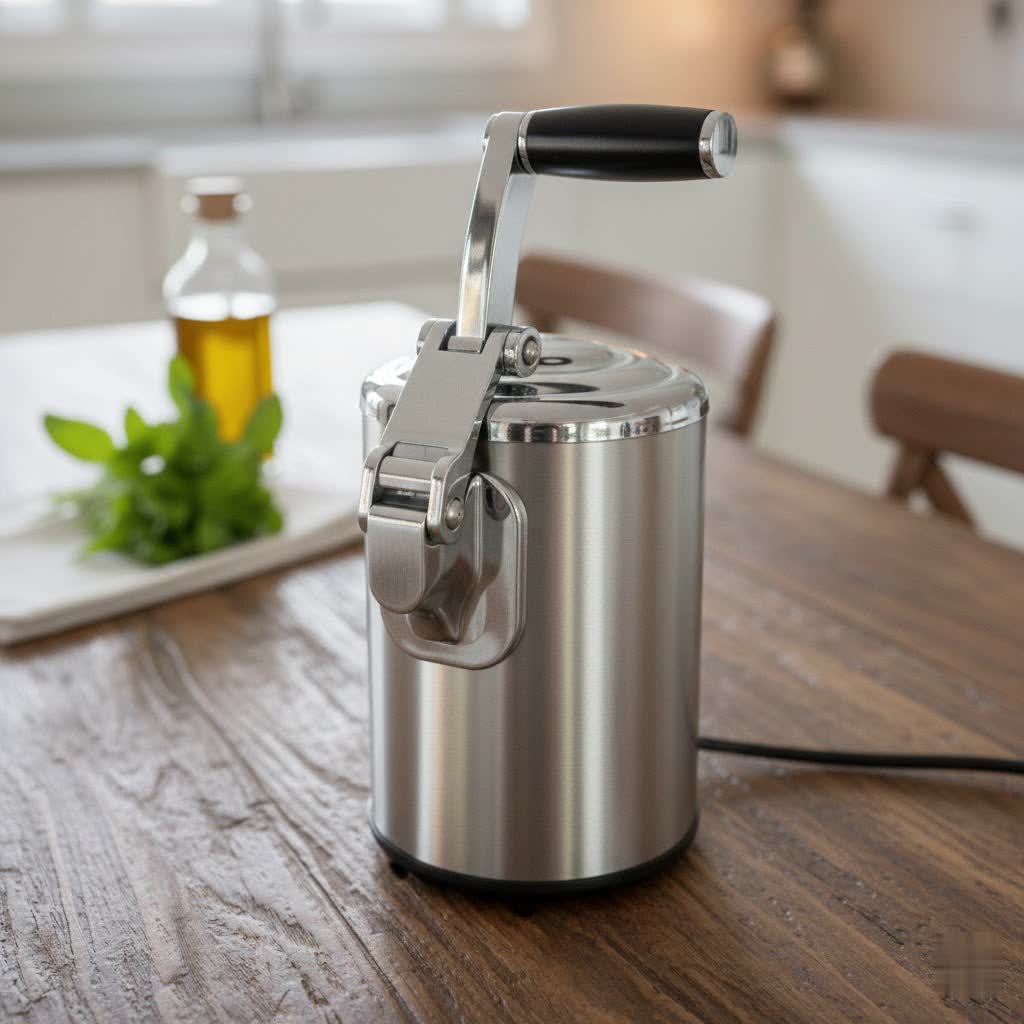
Have you ever cringed at the sight of a jagged can lid, fearing a kitchen mishap or worse, contaminating your food? Traditional can openers, while familiar, often leave behind sharp edges that are a genuine safety concern. But what if there was a better way to open cans, one that prioritized safety and hygiene without sacrificing efficiency? Enter the side cut can opener, a revolutionary tool designed to improve your kitchen experience.
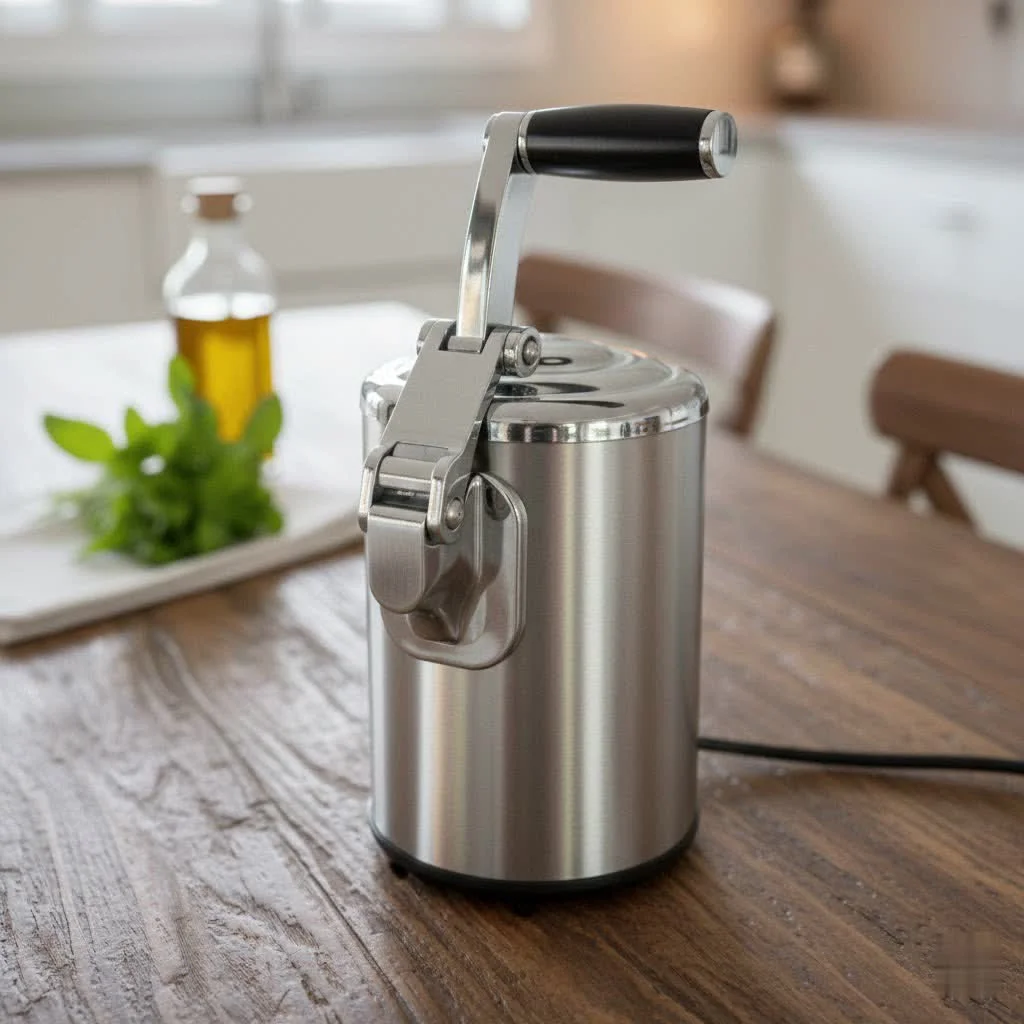
This comprehensive guide will examine the world of side cut can openers, exploring how they work, their undeniable benefits, and what to look for when choosing the perfect one for your home. By the end, you’ll be equipped with all the knowledge to select a can opener that not only performs flawlessly but also keeps you and your loved ones safe. For more reviews guides on this site.
Understanding the Side Cut Can Opener
A side cut can opener operates on a simple yet ingenious principle: instead of slicing downwards into the lid from the top, it cuts horizontally along the can’s side, just below the rim. This unique cutting mechanism uses a small wheel that grips the can’s flange and a cutting blade that separates the lid from the side seam. The result is a clean, smooth edge on both the detached lid and the can itself.
Unlike conventional can openers that pierce the lid from above, creating sharp, potentially dangerous edges, side cut openers essentially “unseal” the can. This process ensures that the top is removed without leaving any hazardous metal fragments, making it a much safer alternative for any kitchen.
Key Benefits of Side Cut Can Openers
The advantages of embracing a side cut can opener extend far beyond just opening a can. They address some of the most common frustrations and safety concerns associated with traditional models, offering a superior experience in several ways.
Enhanced Safety: No More Sharp Edges
The most significant benefit of a side cut can opener is its ability to eliminate sharp edges. By cutting along the side seam, this tool leaves both the can and the lid with a smooth, blunted edge. This dramatically reduces the risk of accidental cuts and scrapes, a common hazard with conventional can openers. This feature is particularly invaluable in households with children or for individuals with conditions like arthritis, who may find traditional openers more challenging and dangerous to use.
Superior Hygiene and Food Safety
Traditional can openers often come into direct contact with the food inside the can, leading to potential cross-contamination if the opener isn’t perfectly clean. Side cut can openers, however, minimize this risk because their cutting wheel primarily interacts with the outside seam of the can, rarely touching the contents. This design keeps your opener cleaner and your food more sanitary, providing peace of mind with every open.
Reusable Lids for Convenient Storage
|
Our Picks for the Best Can Opener in 2026
As an Amazon Associate I earn from qualifying purchases.
|
||
| Num | Product | Action |
|---|---|---|
| 1 | KitchenAid Classic Multifunction Can Opener and Bottle Opener Easy to Use, Razor Sharp Stainless Steel Cutting Wheel, Soft Ergonomic Handles, Pistachio |

|
| 2 | KitchenAid Classic Multifunction Can Opener and Bottle Opener Easy to Use, Razor Sharp Stainless Steel Cutting Wheel, Soft Ergonomic Handles, Empire Red |
|
| 3 | OXO Good Grips Smooth Edge Can Opener |
|
| 4 | Beneno Heavy Duty Hand Can Opener Manual with Magnet, Durable Sharp Carbon Steel Blade Smooth Cutting, Big Effort-Saving Knob & Soft Grip Handle, Multifunctional Kitchen Tool with Bottle Opener, Green |
|
| 5 | Zulay Kitchen Heavy Duty Stainless Steel Can Opener Manual with Bottle Opener - Rust Proof Manual Can Opener With Turn Knob & Comfy Soft Grip Handles - Black |
|
| 6 | Beneno Can Opener, Manual Side Safe Cut Can Opener Smooth Edge with Durable Sharp Blade, Effort-Saving Knob & Comfortable Non-slip Handle, Brown |
|
| 7 | Good Cook Can Opener, Safe Cut Manual Can Opener, no Sharp Can Edges, Black |
|
| 8 | GORILLA GRIP Heavy Duty Stainless Steel Smooth Edge Manual Can Opener, Soft Comfortable Handle, Large Handheld Turn Knob, Built-In Bottle Openers, US Designed, Holiday Prep Kitchen Essential, Black |
|
| 9 | MARSWELL Hand Crank Can Opener Manual Heavy Duty, Commercial Can Openers with Ergonomic Rubber Coated Extra-Long Handles, Oversized Knob, Large Can Opener for Big Cans, Black |
|
| 10 | Commercial Can Opener, UHIYEE Hand Crank Can Opener Manual Heavy Duty with Comfortable Extra-long Handles, Oversized Knob, Large Handheld Can Open Easy for Big Cans, Black |
|
With a side cut can opener, the lid is removed cleanly and retains its original shape, often creating a snug fit back onto the can. While it won’t form an airtight seal like the original, this feature allows for convenient temporary storage of unused portions in the refrigerator. This can be particularly useful for pet food, leftover sauces, or anything you don’t finish in one sitting, reducing the need for additional storage containers.
A Cleaner and More Appealing Opening
Say goodbye to messy lid-dropping incidents into your food. Because the side cut mechanism gently unseals the lid, it usually remains attached to the opener or lifts off cleanly, preventing it from falling into the can’s contents. This not only keeps your food pristine but also makes for a much tidier and more pleasant can-opening experience. The smooth, wide opening also allows for easier access to the contents of the can, especially for thicker or more solid foods.
Potential Considerations and a Small Learning Curve
While side cut can openers offer numerous benefits, it’s a couple of considerations, primarily related to user experience.
One common point of feedback is the initial learning curve. For those accustomed to the traditional top-cut method, a side cut can opener may feel unfamiliar at first. The way it attaches to the can and the turning motion can require a few practice runs to master. However, most users quickly adapt, finding the improved safety and functionality well worth the initial adjustment.
Some users might find that draining liquids from a can can be slightly different with a side cut opener. Since the entire top rim is removed, the lid cannot be used to press down and strain liquids as it might with a traditional opener. This is a minor inconvenience that can be easily overcome with other kitchen tools like strainers.
Types of Side Cut Can Openers
Side cut can openers are available in various forms, catering to different preferences and needs. The most common types include manual and electric models.
Manual Side Cut Can Openers
Manual side cut can openers are the most prevalent and often the most affordable option. They typically feature an ergonomic design with comfortable handles and an easy-to-turn knob that engages the cutting mechanism. These models are portable, require no electricity, and are ideal for everyday use, camping trips, or in kitchens where counter space is limited. Popular brands like OXO and Kuhn Rikon offer highly-rated manual side cut openers known for their durability and smooth operation.
Electric Side Cut Can Openers
For those seeking maximum convenience and minimal effort, electric side cut can openers are an excellent choice. These units typically feature a single-touch operation, automatically cutting around the can and leaving a smooth edge. Electric models are particularly beneficial for individuals with limited hand strength, arthritis, or those who frequently open many cans. Many electric side cut can openers also come with additional features like wide bases for stability and lid retention magnets for easy, hands-free lid removal.
Factors to Consider When Choosing Your Side Cut Can Opener
Selecting the best side cut can opener involves evaluating several key factors to ensure it meets your specific kitchen needs and preferences.
- Material:
- Stainless steel: Offers superior durability, rust resistance, and a sleek aesthetic. Stainless steel blades maintain their sharpness longer.
- High-grade plastic: Often used for handles, providing a comfortable, non-slip grip. Ensure the plastic is robust and BPA-free for food safety.
- Durability:
- Invest in models from reputable brands known for quality kitchen tools.
- Check user reviews for insights into longevity and common issues. A sturdy construction indicates a longer lifespan.
- Features:
- Lid gripper or magnet: Some models include a small magnet or plier-like tool to lift the lid effortlessly once cut, preventing you from touching it.
- Multi-functionality: A few can openers integrate additional tools, such as bottle openers, offering greater versatility and saving drawer space.
- Ease of cleaning: Look for designs that are easy to wipe down or are dishwasher-safe for convenient maintenance.
- Ergonomics:
- Comfortable handles: Soft-grip handles reduce hand fatigue, especially important if you open cans frequently or have hand mobility issues.
- Easy-turn knob: An oversized, non-slip knob provides better leverage and makes turning smoother, requiring less force.
- Price:
- Side cut can openers are available across various price segments. While budget-friendly options exist, investing a bit more often ensures higher quality materials, better ergonomics, and greater durability. Compare prices across different retailers to find the best value.
Comparison of Can Opener Types
To help you make an informed decision, here’s a comparison highlighting the key differences between traditional, side cut, and electric side cut can openers.
| Feature | Traditional Top-Cut Can Opener | Side Cut (Smooth Edge) Can Opener | Electric Side Cut Can Opener |
|---|---|---|---|
| Edge Quality | Sharp, jagged edges | Smooth, blunted edges | Smooth, blunted edges |
| Effort | Moderate (manual) | Moderate to low (manual) | Very low (automatic) |
| Speed | Fast | Moderate | Fast |
| Hygiene | Blade often touches food | Blade rarely touches food | Blade rarely touches food |
| Lid Reusability | Not recommended (sharp) | Possible (for temporary storage) | Possible (for temporary storage) |
| Safety Risk | High (cuts, contamination) | Low | Low |
| Price | Low to moderate | Moderate to high | Moderate to high |
| Portability | High | High | Low (requires power source) |
Where to Buy Side Cut Can Openers
Side cut can openers are increasingly popular and can be found at a variety of retailers, both online and in brick-and-mortar stores.
- Online Retailers: Websites like Amazon, Target, and Walmart offer a vast selection from various brands, often with competitive pricing and customer reviews to aid your decision.
- Department Stores: Major department stores typically stock a range of kitchen gadgets, including manual and electric can openers.
- Specialty Kitchen Stores: Stores focusing on kitchenware may offer higher-end or unique models and knowledgeable staff to guide your purchase.
Always compare prices and check for sales or discounts to ensure you’re getting the best deal on your chosen can opener.
Tips for Using and Maintaining Your Side Cut Can Opener
To ensure your side cut can opener performs optimally and lasts for years, proper usage and maintenance are essential.
- Proper Placement: For manual side cut openers, ensure the opener is securely clamped onto the can’s rim. The cutting wheel should be positioned on the outside edge of the can, just below the top seam.
- Consistent Turning: Turn the knob smoothly and consistently around the entire circumference of the can until you feel a release or a noticeable change in resistance.
- Lid Removal: Many side cut openers come with a small plier-like mechanism or a magnet to safely grip and lift the lid once it’s completely separated. If yours doesn’t, gently lift the lid using your fingers, as the edges will be smooth and safe to touch.
- Cleaning After Use: Always wipe your can opener clean after each use, especially the cutting mechanism. While the blade rarely touches food, regular cleaning prevents residue buildup and ensures smooth operation. Most stainless steel models are dishwasher-safe, but always check the manufacturer’s instructions.
- Storage: Store your can opener in a dry place to prevent rust, particularly if it has metal components.
- Periodic Oiling (if applicable): For some mechanical parts, a tiny drop of food-grade mineral oil might be recommended periodically to maintain smooth movement, though this is less common with modern designs.
Conclusion
Choosing the right can opener can significantly impact your kitchen safety and efficiency. Side cut can openers stand out as a superior alternative to traditional models, offering unparalleled safety with their smooth-edge design and promoting better hygiene by minimizing food contact. While they may require a slight adjustment for first-time users, the long-term benefits of a safer, cleaner, and more convenient canning experience are undeniable.
By considering the type of opener (manual or electric), material, durability, and ergonomic features, you can confidently select a side cut can opener that will serve you well for years to come. Isn’t it time to upgrade your kitchen tools for a safer, smoother canning experience?
Get our weekly buyer guide
Practical specs, not advice. Unsubscribe anytime.

I bought one of the recommended side cut can openers, and while it does leave a smooth edge, I find it a bit harder to get started on some cans. It takes a few tries to really grip it right, which can be a little frustrating. Once it gets going, it’s fine, but that initial struggle is a minor complaint.
I’m so glad I finally switched to a side cut can opener! The post really highlighted the safety aspect, and it’s true. No more worrying about sharp edges when I’m reaching into the recycling bin. It’s a game-changer for my peace of mind in the kitchen, especially with kids around.
The hygiene benefits mentioned were a big selling point for me. I never really thought about how traditional openers could contaminate food, but it makes total sense. My new side cut opener feels much cleaner, and the lid can even be placed back on for temporary storage if needed. Highly recommend making the switch!
This guide was super helpful in understanding how these work. I always wondered about the ‘smooth edge’ claim, and now I get it. My new side cut opener makes opening cans so much cleaner, and I don’t have to worry about metal shavings getting into my food. Definitely an upgrade from my old traditional one.