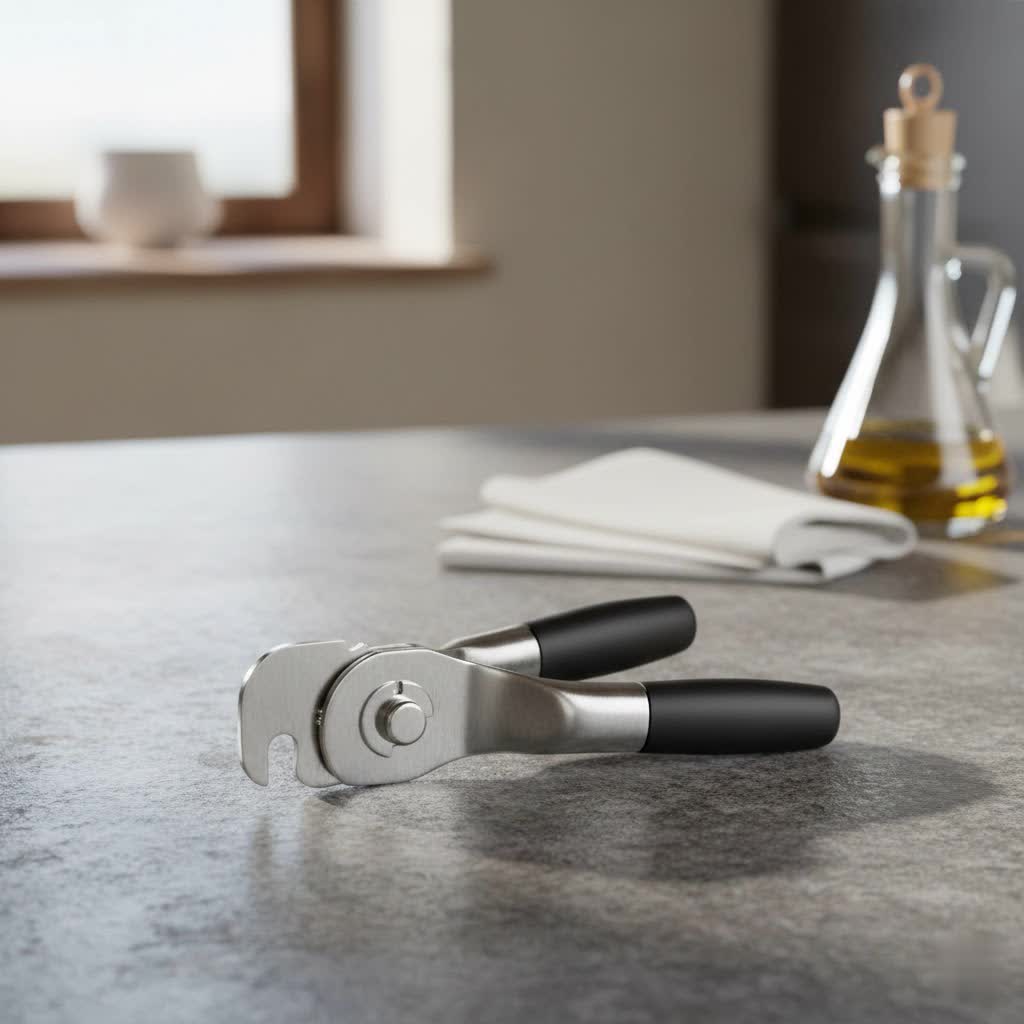
For any home cook or culinary enthusiast, a reliable can opener is an indispensable kitchen tool. While many options exist, the Stainless Steel Can Opener stands out for its durability, hygiene, and sleek aesthetic. It’s more than just a tool; it’s an investment in efficiency and a cleaner kitchen experience. With countless models on the market, understanding the nuances of these openers can help you select the perfect companion for your daily culinary adventures, ensuring smooth operation and lasting performance.
Understanding Stainless Steel Can Openers
Stainless steel is a popular choice for kitchen tools due to its inherent properties. It’s an alloy primarily composed of iron, chromium, and sometimes nickel, which gives it excellent resistance to rust and corrosion. This characteristic is particularly important for a can opener, which frequently comes into contact with moisture and food acids. Beyond its practical benefits, the material offers a timeless, professional look that complements any kitchen décor. Opting for a stainless steel can opener means choosing a tool designed for longevity, maintaining its sharp edge and structural integrity through years of regular use.
Types of Stainless Steel Can Openers
Stainless steel can openers come in various designs, each offering distinct advantages.
Traditional Handheld (Top-Cut)
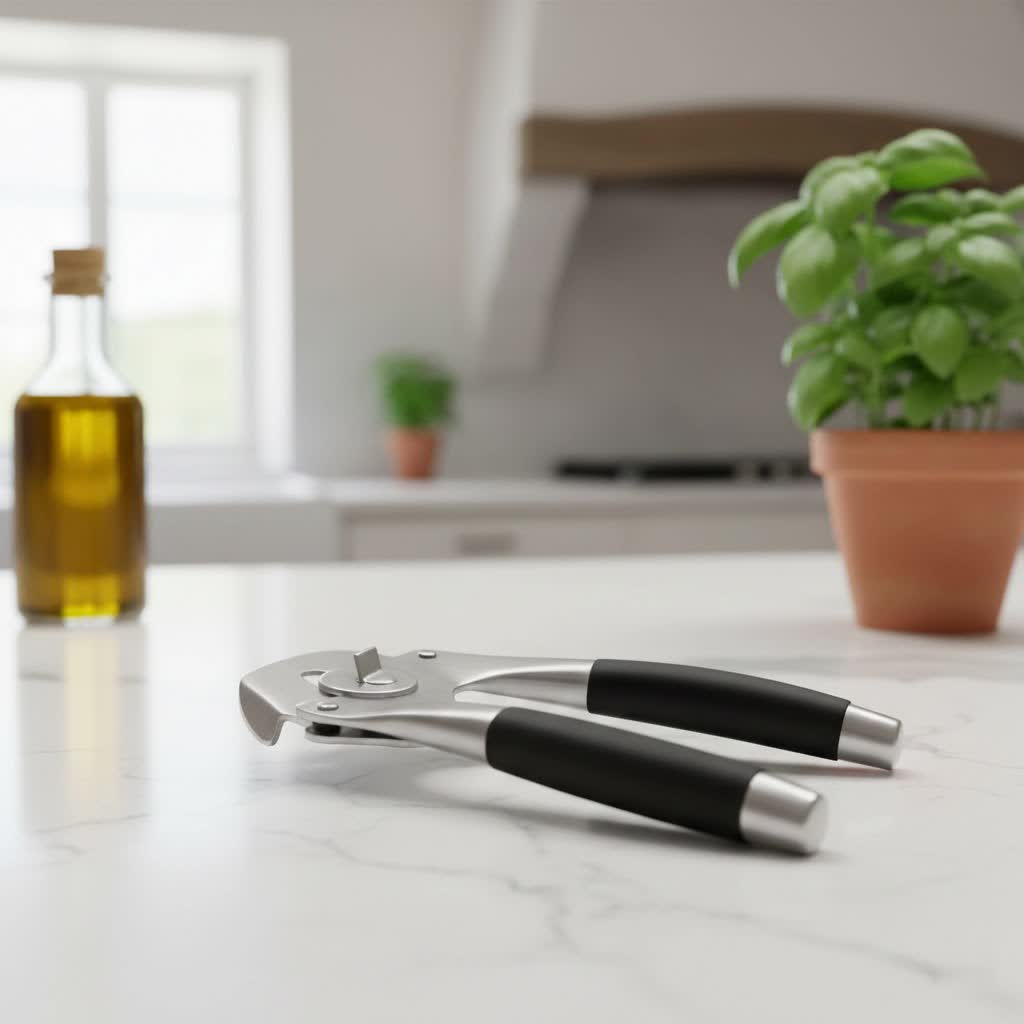
Bảng trống.These are the classic models that cut along the top edge of the can. Many feature stainless steel cutting wheels and often robust stainless steel handles, or a combination of stainless steel with comfortable plastic or silicone grips. They are generally affordable and compact, fitting easily into kitchen drawers. While effective, some traditional models can leave sharp edges on the can lid.
Crank-Style/Rotary Can Openers
A refinement of the handheld type, crank-style openers typically feature a large, easy-to-turn knob and longer handles for increased leverage. Stainless steel components are crucial here for the cutting mechanism and gear durability. Many modern crank-style openers, especially high-quality stainless steel versions, are designed for smooth, effortless operation, making them a good choice for those with weaker hand strength or arthritis.
Electric Can Openers
For maximum convenience, electric can openers are powered by a motor to cut lids with minimal effort. While the body might be made of plastic, the crucial cutting mechanisms, blades, and sometimes the lever or housing are often constructed from stainless steel to ensure strength, hygiene, and a clean cut. These are ideal for frequent use or for individuals seeking a fully hands-free experience.
Multifunction Can Openers
Many stainless steel can openers are designed to be more than just can openers. These versatile tools often include integrated bottle openers, jar lid grippers, or even corkscrews. A multifunction design, especially when crafted from high-quality stainless steel, offers excellent value by consolidating several kitchen gadgets into one durable, space-saving tool.
Key Factors When Choosing Your Stainless Steel Can Opener
Selecting the right can opener involves considering several aspects beyond just its material.
Material Quality & Durability
While “stainless steel” implies durability, the grade and thickness of the steel matter. Look for heavy-duty construction that feels solid in your hand, indicating a robust design that can withstand daily use without bending or breaking. Premium stainless steel, often with corrosion-resistant coatings, will ensure the cutting blade remains sharp and the mechanism functions smoothly for years. Always check reviews to gauge real-world longevity.
Ease of Use & Ergonomics
A good can opener should be comfortable to hold and operate. Ergonomically designed handles, often featuring soft-touch materials over a stainless steel core, reduce strain and provide a secure grip. A large, smoothly turning knob on manual models can make a significant difference in ease of use, especially when opening numerous cans or tackling stubborn lids.
Safety Features
Modern can openers prioritize safety. Many advanced stainless steel models feature a “smooth-edge” or “side-cut” mechanism. This design cuts along the side of the can, below the rim, rather than into the top. The result is a lid with no sharp edges and a can that can be safely handled, minimizing the risk of cuts. Some also include a small magnet to lift the lid cleanly after cutting, preventing direct contact with the food.
Cleaning & Maintenance
The ease of cleaning is paramount for any kitchen tool that handles food. Many stainless steel can openers are dishwasher safe, though handwashing and thorough drying are often recommended to prolong their lifespan and prevent water spots or rust, particularly in the gear mechanisms. Removable cutting components greatly simplify the cleaning process, ensuring proper hygiene.
Price & Value
Stainless steel can openers range in price from budget-friendly options to premium models. While it’s tempting to opt for the cheapest, investing a little more in a higher-quality stainless steel model often pays off in terms of durability, performance, and user satisfaction over time. Consider how frequently you’ll use it and your specific needs when weighing price against features.
Stainless Steel Can Opener Comparison Table
| Feature | Traditional Handheld | Crank-Style/Rotary | Electric |
|---|---|---|---|
| Advantages | Affordable, compact, straightforward | Less effort, controlled cut, safer edges (side-cut models) | Fast, hands-free, ideal for limited mobility |
| Disadvantages | Can require hand strength, potential for sharp edges | Requires some manual effort, slightly larger than traditional | Higher cost, requires power outlet, takes up counter space |
| Stainless Steel Component Focus | Blade, body, hinge | Cutting wheel, gear, handles | Cutting blade, lever, internal mechanisms |
Where to Purchase Your Stainless Steel Can Opener
Finding the perfect stainless steel can opener is easier than ever with various shopping avenues available.
- Household Goods Stores: Physical stores specializing in kitchenware often have a wide selection, allowing you to handle different models and assess their ergonomics and construction firsthand.
- Supermarkets & Department Stores: These retailers typically carry a range of common and reputable brands, offering convenience for everyday shoppers.
- E-commerce Websites: Online marketplaces provide the broadest selection, competitive pricing, and access to countless user reviews, which are invaluable for comparing different stainless steel models and identifying top performers. Always check product descriptions for specific stainless steel grades and features.
Tips for Using and Maintaining Your Stainless Steel Can Opener
To ensure your stainless steel can opener performs optimally and lasts for years, proper usage and diligent care are essential.
- Correct Positioning: For traditional and crank-style openers, ensure the cutting wheel and gear are correctly aligned with the can’s rim before you begin turning. For side-cut openers, confirm the tool is securely clamped to the side of the can. Misalignment can lead to uneven cuts or premature wear.
- Gentle Operation: Avoid forcing the mechanism. If the opener is struggling, check for blockages or realign it. Excessive force can dull the blade or damage the gears.
- Immediate Cleaning After Use: This is perhaps the most critical step for any stainless steel can opener. Food particles and acidic residues can accelerate corrosion, even on stainless steel. Wash your can opener immediately after each use with hot water and dish soap. Pay close attention to the cutting wheel and gears, using a small brush if necessary to dislodge any trapped food.
- Thorough Drying: Stainless steel is rust-resistant, not rust-proof. Water, especially if left to air dry in crevices, can cause spotting or even rust over time. After washing, dry your can opener thoroughly with a clean cloth. For manual models, leave the handles slightly open during air drying to allow moisture to escape from the hinge and cutting mechanism.
- Occasional Lubrication (Manual Models): For manual can openers with intricate gear systems, applying a tiny drop of food-grade mineral oil to the moving parts every few months can ensure smooth operation and further protect against rust.
> “A stainless steel can opener isn’t just about opening cans; it’s about investing in a reliable, hygienic kitchen staple that simplifies your daily cooking and withstands the test of time.” – Admin, reviewbdsaz.com, Kitchen Tool Expert
Conclusion
Choosing the ideal stainless steel can opener is a decision that impacts your kitchen efficiency and safety. From the steadfast traditional handheld to the effortless electric models, the core advantage of stainless steel lies in its unparalleled durability, resistance to rust, and ease of cleaning, ensuring a hygienic and long-lasting tool. By carefully considering the type, ergonomic design, crucial safety features like smooth-edge cutting, and committing to diligent maintenance, you empower yourself to make an informed decision. A well-chosen stainless steel can opener becomes more than just a gadget; it’s a reliable partner in your culinary journey.
What features do you value most in your perfect stainless steel can opener?
Frequently Asked Questions
Can stainless steel can openers still rust?
While highly resistant, stainless steel can openers can develop rust or water spots if not properly cleaned and thoroughly dried after each use, especially if acidic residues or prolonged moisture are present.
Are smooth-edge stainless steel can openers truly safer?
Yes, smooth-edge or side-cut stainless steel can openers are designed to cut below the can’s rim, leaving a smooth, safe edge on both the lid and the can, significantly reducing the risk of cuts.
How often should I replace my stainless steel can opener?
A high-quality stainless steel can opener, with proper care, can last for many years, even decades. You should consider replacement if the blade becomes dull, the mechanism jams frequently, or if rust develops that cannot be removed.
Is it okay to put my stainless steel can opener in the dishwasher?
Many stainless steel can openers are dishwasher safe. However, handwashing with hot water and soap, followed by thorough drying, is generally recommended to preserve its longevity and prevent potential water spots or residue buildup in the gears.
What is the advantage of a stainless steel handle over a plastic one?
Stainless steel handles offer superior durability, strength, and a more premium feel compared to plastic. They are less likely to crack or break over time, providing a robust and long-lasting grip.