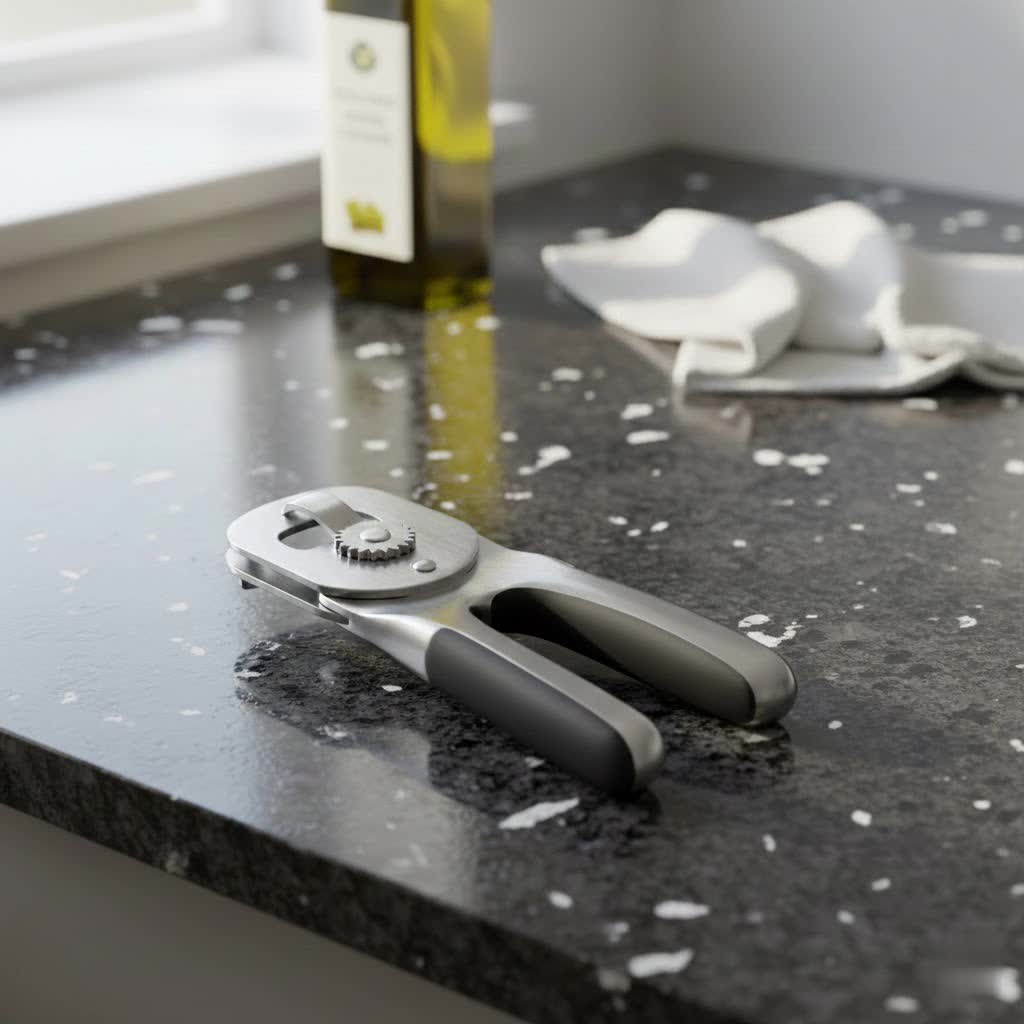
Struggling with stubborn can lids, sore hands, or jagged edges? You’re not alone. For many, the simple task of opening a can can become a frustrating chore, especially when dealing with arthritis, limited grip strength, or just a desire for more efficiency in the kitchen. An electric can opener is a game-changer, transforming this everyday task into a quick, effortless, and often safer experience. This comprehensive guide will walk you through everything you need to know to select the perfect top-rated electric can opener that fits your needs and elevates your culinary routine.
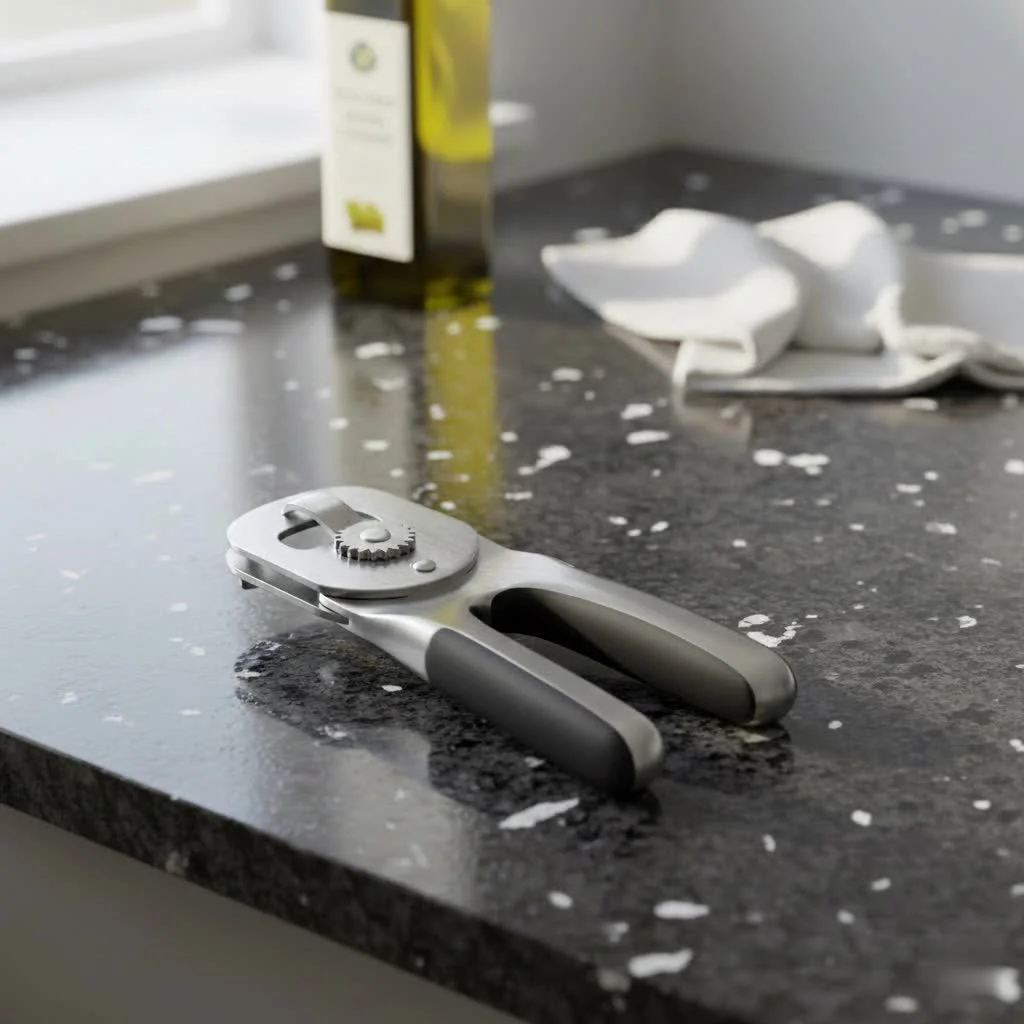
Guide to Choosing the Best Electric Can Opener
Navigating the world of kitchen appliances can be daunting, but choosing an electric can opener doesn’t have to be. Understanding the different types and key features will empower you to make an informed decision.
Popular Types of Can Openers
While manual can openers have their place, electric models offer unparalleled convenience. Within the electric category, there are primarily two popular types:
- Electric Stand-Up (Countertop) Can Openers: These are typically larger units designed to sit on your kitchen counter. They are often hands-free—you simply position the can, engage the cutting mechanism, and the machine does the rest. Many feature a tall design to accommodate various can sizes, and some include additional functionalities like bottle openers or knife sharpeners.
- Electric Handheld (Cordless) Can Openers: For those seeking portability and compact storage, handheld electric can openers are an excellent choice. These battery-operated devices attach to the rim of the can and automatically rotate, cutting the lid as they go. They are particularly favored for their smooth-edge cutting capabilities, leaving no sharp edges on the can or lid.
- Multi-Functional Can Openers: Some electric models go beyond just opening cans. They might integrate features like bottle openers, knife sharpeners, or even pop-top removers, making them versatile additions to your kitchen toolkit.
Factors to Consider When Buying a Can Opener
When investing in a new kitchen appliance, several factors contribute to its overall value and suitability for your home.
- Material:
- Stainless Steel: Often found in higher-end models, stainless steel offers superior durability, resistance to rust, and a sleek, modern aesthetic that complements most kitchen décors. It’s also generally easier to clean and maintain.
- High-Grade Plastic: More budget-friendly options frequently utilize durable, BPA-free plastics. These materials are lightweight and can come in various colors, though they might not offer the same longevity as stainless steel.
- Durability: A can opener is a tool you expect to last. Checking user reviews is crucial to gauge real-world performance and longevity. Look for consistent feedback regarding the motor’s strength and the cutting blade’s sharpness over time. Opting for reputable brands known for their kitchen appliance quality can also provide peace of mind.
- Features: Modern electric can openers come with a variety of features designed to enhance usability and safety.
- Opens Various Can Sizes: Ensure the model you choose can comfortably handle everything from small tuna cans to large institutional-sized cans of vegetables.
- Easy to Clean: Removable levers or blades simplify the cleaning process, preventing food residue buildup and promoting hygiene.
- Smooth-Edge Cutting: This is a top priority for many. Can openers that create a smooth, dull edge significantly reduce the risk of cuts from sharp can lids. This feature is often highlighted as “smooth touch” or “safety cut.”
- Magnetic Lid Holder: A built-in magnet is incredibly convenient, securely holding the cut lid in place after opening, preventing it from falling into the can’s contents or onto the counter.
- Auto Shut-Off: This safety feature ensures the appliance stops automatically once the can is fully opened, preventing over-cutting and potential damage to the mechanism.
- Ergonomics: For handheld models, consider the grip and weight. For stand-up models, check the ease of positioning cans and engaging the lever.
- Price: Electric can openers span a range of price points.
- Different price segments cater to various budgets, from economical models under $20 to premium options exceeding $50.
- Comparing prices between different suppliers—online retailers, department stores, and specialty kitchen shops—can help you find the best deal. Remember, a higher price doesn’t always guarantee superior performance, but it often reflects enhanced features, material quality, or brand reputation.
Comparison Table of Can Opener Types
|
Our Picks for the Best Can Opener in 2026
As an Amazon Associate I earn from qualifying purchases.
|
||
| Num | Product | Action |
|---|---|---|
| 1 | Good Cook Can Opener, Safe Cut Manual Can Opener, no Sharp Can Edges, Black |

|
| 2 | Zulay Kitchen Heavy Duty Stainless Steel Can Opener Manual with Bottle Opener - Rust Proof Manual Can Opener With Turn Knob & Comfy Soft Grip Handles - Black |
|
| 3 | Commercial Can Opener, UHIYEE Hand Crank Can Opener Manual Heavy Duty with Comfortable Extra-long Handles, Oversized Knob, Large Handheld Can Open Easy for Big Cans, Black |
|
| 4 | OXO Good Grips Smooth Edge Can Opener |
|
| 5 | KitchenAid Classic Multifunction Can Opener and Bottle Opener Easy to Use, Razor Sharp Stainless Steel Cutting Wheel, Soft Ergonomic Handles, Pistachio |
|
| 6 | Beneno Can Opener, Manual Side Safe Cut Can Opener Smooth Edge with Durable Sharp Blade, Effort-Saving Knob & Comfortable Non-slip Handle, Brown |
|
| 7 | MARSWELL Hand Crank Can Opener Manual Heavy Duty, Commercial Can Openers with Ergonomic Rubber Coated Extra-Long Handles, Oversized Knob, Large Can Opener for Big Cans, Black |
|
| 8 | GORILLA GRIP Heavy Duty Stainless Steel Smooth Edge Manual Can Opener, Soft Comfortable Handle, Large Handheld Turn Knob, Built-In Bottle Openers, US Designed, Holiday Prep Kitchen Essential, Black |
|
| 9 | KitchenAid Classic Multifunction Can Opener and Bottle Opener Easy to Use, Razor Sharp Stainless Steel Cutting Wheel, Soft Ergonomic Handles, Empire Red |
|
| 10 | Beneno Heavy Duty Hand Can Opener Manual with Magnet, Durable Sharp Carbon Steel Blade Smooth Cutting, Big Effort-Saving Knob & Soft Grip Handle, Multifunctional Kitchen Tool with Bottle Opener, Green |
|
Choosing between a stand-up and handheld electric can opener depends largely on your kitchen setup and personal preferences.
| Feature | Electric Stand-up | Electric Handheld |
|---|---|---|
| Pros | Hands-free operation, consistent cut, generally fast, often includes extra features. | Portable, compact, ideal for small kitchens, often features smooth-edge cutting. |
| Cons | Requires counter space, tethered by a cord, less flexible for oddly shaped cans. | Requires holding the unit, battery-dependent (needs charging/replacing), may be less powerful for very tough cans. |
| Ideal User | Those who open many cans, value convenience, have counter space, or have severe hand mobility issues. | Users with limited counter space, prefer portability, or prioritize smooth-edge cutting and easy storage. |
> “The convenience an electric can opener offers, particularly for those with limited hand dexterity, is truly transformative in the kitchen. It’s more than just a gadget; it’s an accessibility tool.” – Chef Elena Rodriguez, Culinary Innovation Expert
Where to Buy a Can Opener
Finding a top-rated electric can opener is easier than ever with numerous retail options available.
- Home Appliance Stores: Stores like Bed Bath & Beyond, Sur La Table, or local appliance shops offer a selection of models, allowing you to see and feel the product before purchasing. Sales associates can often provide insights and recommendations.
- Supermarkets: Larger supermarkets and hypermarkets (e.g., Walmart, Target) often stock basic to mid-range electric can openers, making them a convenient option for an impulse buy.
- E-commerce Websites: Online giants such as Amazon, Best Buy, and the official websites of brands like Hamilton Beach or Cuisinart offer the widest selection, competitive pricing, and a wealth of customer reviews to guide your decision. Be sure to check return policies before purchasing online.
Tips for Using and Maintaining Your Can Opener
Proper use and regular maintenance will extend the life of your electric can opener and ensure its optimal performance.
- Clean After Each Use: Food particles can accumulate on the cutting blade and gears, leading to dullness or malfunction. Wipe down the cutting mechanism with a damp cloth or sponge immediately after use. If the cutting head is removable, wash it according to the manufacturer’s instructions.
- Store in a Dry Place: Moisture can lead to rust, especially on metal components. Ensure your can opener is completely dry before storing it in a cabinet or on the counter.
- Regular Maintenance (If Applicable): Some older or more robust models might benefit from occasional lubrication of gears, but most modern electric can openers are designed to be maintenance-free beyond cleaning. Always refer to your product’s manual for specific care instructions. Avoid forcing the opener on severely dented cans, as this can strain the motor or damage the cutting blade.
Conclusion
Choosing a top-rated electric can opener is a simple yet impactful decision that can greatly enhance your kitchen experience. Whether you prioritize hands-free operation, a smooth-edge cut, or compact portability, there’s an electric can opener designed to meet your specific needs. From the durable stainless steel models to the versatile multi-functional units, the right electric can opener will save you time, effort, and provide a safer way to access your canned ingredients. By considering factors like material, durability, features, and price, you can confidently select an appliance that becomes an indispensable part of your culinary toolkit.
Ready to say goodbye to struggling with cans? Which electric can opener feature are you most excited to try?
Frequently Asked Questions
What is the best electric can opener for arthritis sufferers?
For individuals with arthritis, the best electric can openers are typically hands-free countertop models or one-touch handheld devices. Look for features like magnetic lid holders, smooth-edge cutting, and simple operation buttons that require minimal grip or pressure to activate, ensuring comfort and ease of use.
Do electric can openers make smooth edges?
Many modern electric can openers are specifically designed to create a smooth, dull edge on the can, eliminating sharp and dangerous edges. These are often marketed as “smooth-touch” or “safety cut” models, operating by cutting along the side of the can just below the rim rather than through the top.
How do I clean my electric can opener?
Cleaning an electric can opener usually involves wiping down the cutting mechanism with a damp cloth after each use to remove food residue. Some models feature a removable cutting lever or blade that can be detached and washed separately with soap and water. Always ensure the unit is unplugged and dry before storing.
Are handheld electric can openers better than stand-up ones?
Neither type is definitively “better”; it depends on individual needs. Handheld electric can openers offer portability, compact storage, and often smooth-edge cutting, ideal for small kitchens. Stand-up electric can openers are typically hands-free, more powerful, and suited for frequent use or for those with very limited hand mobility, but they require counter space.
What should I do if my electric can opener gets stuck?
If your electric can opener gets stuck, first unplug it (if it’s a corded model) or remove the batteries (for handheld). Gently try to dislodge the can or lid. Avoid forcing it, as this can damage the motor or gears. Check for any food debris obstructing the blade and clean it thoroughly. If the issue persists, consult the product’s manual for troubleshooting.
Get our weekly buyer guide
Practical specs, not advice. Unsubscribe anytime.
