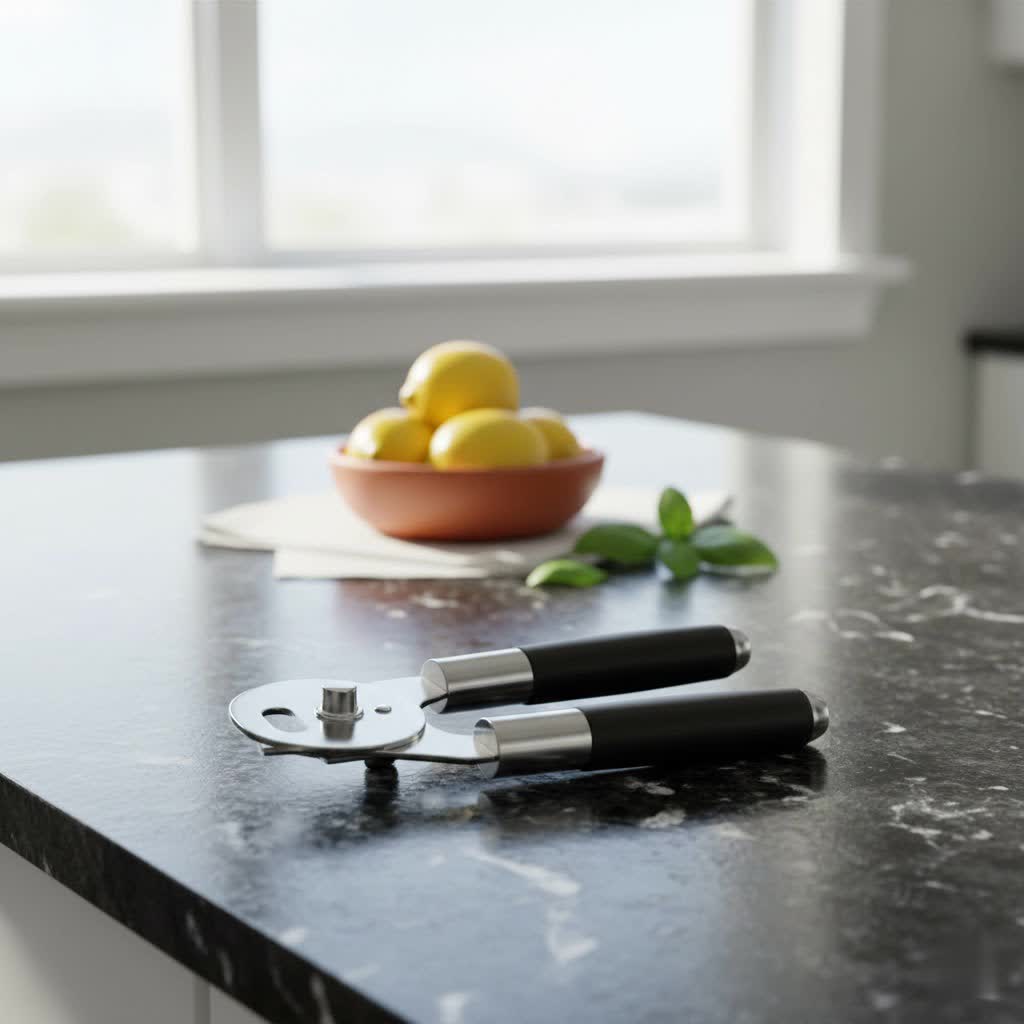
Step into any antique shop, flea market, or even your grandmother’s kitchen, and you might stumble upon a piece of culinary history: the vintage can opener. Far more than just utilitarian tools, these devices tell a fascinating story of innovation, design, and a bygone era when kitchens were built with enduring craftsmanship in mind. In a world saturated with modern gadgets, the charm of a vintage can opener lies in its simplicity, robustness, and often, its unique aesthetic appeal. If you’re looking to add a touch of nostalgia to your kitchen, appreciate mechanical ingenuity, or simply need a reliable tool that stands the test of time, understanding these timeless treasures is key. This guide will delve into the rich history, various types, and essential tips for choosing, using, and maintaining your very own vintage can opener.
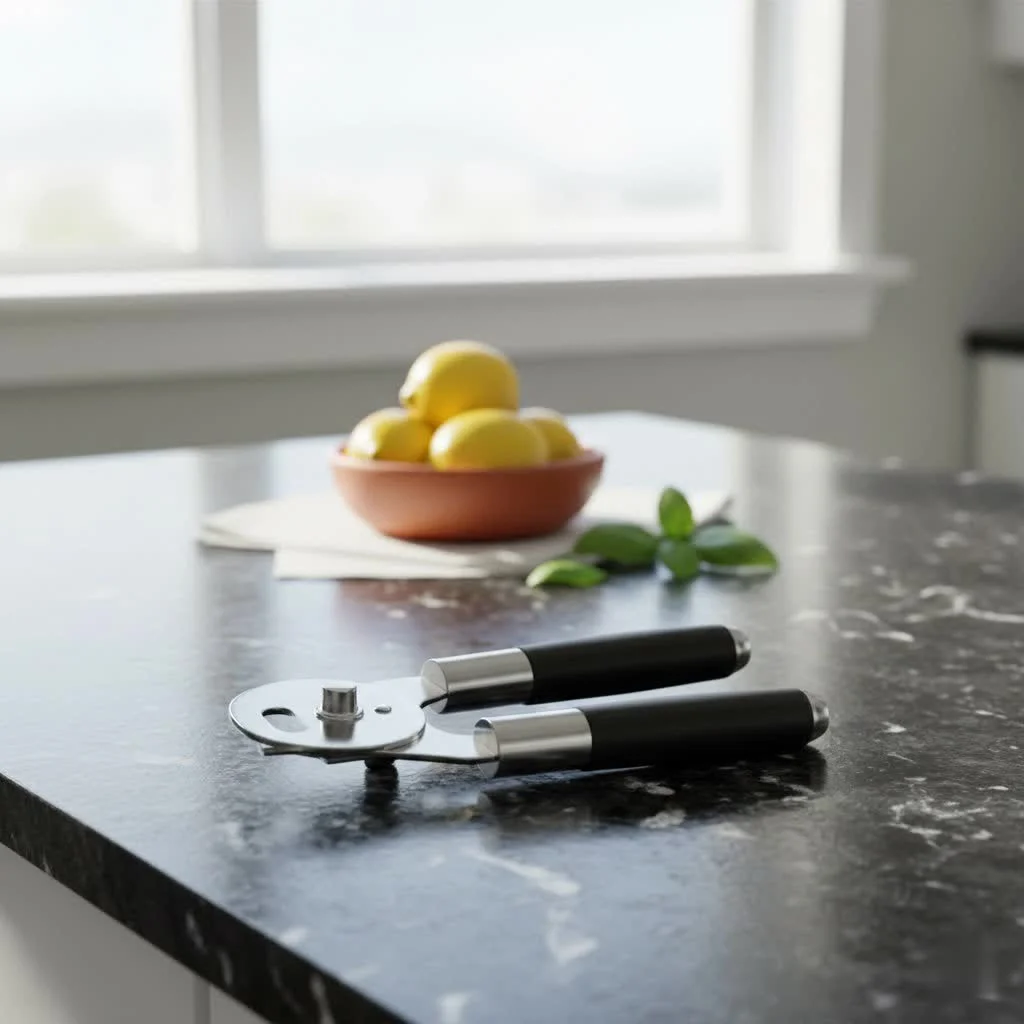
The Enduring Appeal of Vintage Can Openers
There’s a distinct allure to vintage can openers that transcends their basic function. For many, it’s the powerful wave of nostalgia they evoke, reminiscent of bustling family kitchens and simpler times. These tools often boast a build quality superior to many modern counterparts, crafted from durable materials like cast iron and stainless steel that were designed to last generations. Their mechanical simplicity means fewer parts to break and often a straightforward, satisfying operation. Beyond their practical benefits, vintage can openers are also coveted for their unique designs, which can range from charmingly rustic to mid-century modern, making them delightful collectibles and conversation starters that add character to any kitchen decor. Owning one connects you directly to the ingenuity and daily routines of previous generations, offering a tangible link to culinary history.
A Journey Through Time: The Evolution of the Can Opener
The journey of the can opener is surprisingly long and complex, given that cans themselves were invented in 1810 by Peter Durand. For nearly 50 years, opening a can was a formidable task, often requiring a hammer and chisel – a method suggested by manufacturers themselves due to the thick wrought iron construction of early cans.
The first patented can openers emerged in the mid-19th century. Robert Yeates introduced a claw-ended design in the UK in 1855, while Ezra Warner patented a more complex, sickle-shaped lever-type opener in the US in 1858. Warner’s design, adopted by the U.S. Army during the Civil War, was effective but considered quite dangerous for domestic use due to its unprotected blade. These early devices involved a piercing and sawing motion, often leaving jagged edges.
A significant breakthrough came in 1870 when William Lyman invented the rotating-wheel can opener. This design featured a sharp cutting wheel that rolled along the can’s rim, making the process much safer and easier. Its widespread adoption was further cemented in 1925 with the addition of a second, serrated wheel that gripped the can’s rim, providing better stability and a cleaner cut. This two-wheel design became the blueprint for most manual can openers we recognize today.
Alongside these developments, J. Osterhoudt patented the twist-key opener in 1866, a familiar sight on sardine and corned beef cans, where a metal strip is peeled back around the can. The latter half of the 20th century brought further innovations, with electric can openers first appearing in the late 1950s, promising effortless can opening with the push of a button.
Types of Vintage Can Openers You Might Encounter
The world of vintage can openers is diverse, offering various designs that reflect their era’s technology and aesthetics. Each type offers a unique experience and often caters to different needs or preferences.
Traditional Handheld Lever/Puncture-Style Can Openers
|
Our Picks for the Best Can Opener in 2026
As an Amazon Associate I earn from qualifying purchases.
|
||
| Num | Product | Action |
|---|---|---|
| 1 | KitchenAid Classic Multifunction Can Opener and Bottle Opener Easy to Use, Razor Sharp Stainless Steel Cutting Wheel, Soft Ergonomic Handles, Empire Red |

|
| 2 | Good Cook Can Opener, Safe Cut Manual Can Opener, no Sharp Can Edges, Black |
|
| 3 | GORILLA GRIP Heavy Duty Stainless Steel Smooth Edge Manual Can Opener, Soft Comfortable Handle, Large Handheld Turn Knob, Built-In Bottle Openers, US Designed, Holiday Prep Kitchen Essential, Black |
|
| 4 | Beneno Heavy Duty Hand Can Opener Manual with Magnet, Durable Sharp Carbon Steel Blade Smooth Cutting, Big Effort-Saving Knob & Soft Grip Handle, Multifunctional Kitchen Tool with Bottle Opener, Green |
|
| 5 | OXO Good Grips Smooth Edge Can Opener |
|
| 6 | MARSWELL Hand Crank Can Opener Manual Heavy Duty, Commercial Can Openers with Ergonomic Rubber Coated Extra-Long Handles, Oversized Knob, Large Can Opener for Big Cans, Black |
|
| 7 | Commercial Can Opener, UHIYEE Hand Crank Can Opener Manual Heavy Duty with Comfortable Extra-long Handles, Oversized Knob, Large Handheld Can Open Easy for Big Cans, Black |
|
| 8 | KitchenAid Classic Multifunction Can Opener and Bottle Opener Easy to Use, Razor Sharp Stainless Steel Cutting Wheel, Soft Ergonomic Handles, Pistachio |
|
| 9 | Zulay Kitchen Heavy Duty Stainless Steel Can Opener Manual with Bottle Opener - Rust Proof Manual Can Opener With Turn Knob & Comfy Soft Grip Handles - Black |
|
| 10 | Beneno Can Opener, Manual Side Safe Cut Can Opener Smooth Edge with Durable Sharp Blade, Effort-Saving Knob & Comfortable Non-slip Handle, Brown |
|
These are among the earliest mechanical can openers, resembling a bent bayonet or a sturdy claw. They operate by puncturing the can’s lid and then levering or sawing around the edge.
- Description: Characterized by a single, often pointed blade that pierces the can and a handle that provides leverage. Think of designs like the “church key” (though primarily for beverage cans) or more robust versions with guards to prevent deep punctures.
- Pros: Extremely simple mechanics, often made from robust, heavy-gauge metal or cast iron, making them incredibly durable. No moving parts mean little to go wrong.
- Cons: Can be challenging to use, requiring significant hand strength and leaving potentially sharp, jagged edges on the can and lid.
- Expert Insight: “These early designs, while primitive by today’s standards, represent a crucial step in kitchen convenience, often built with impressive durability.”
Rotary Hand-Crank Can Openers
This is perhaps the most iconic and widely recognized type of vintage can opener, thanks to William Lyman’s 1870 invention and its later refinements.
- Description: Features two wheels – one sharp cutting wheel and one serrated grip wheel – that clamp onto the can’s rim. A rotating handle then turns the cutting wheel, slicing through the lid. Popular brands include Swing-A-Way, EKCO, and Foley. Many also integrated a bottle opener.
- Pros: Significantly easier and safer to use than the lever-style, producing a smoother cut. They are mechanical marvels of their time, requiring no electricity. Many models are highly durable and can last for decades with proper care.
- Cons: Still requires manual effort and hand strength, particularly with older or less-maintained units.
- Variations: Some rotary models were designed to be wall-mounted or tabletop units, offering added stability and leverage.
Vintage Electric Can Openers
The late 1950s marked the advent of electric can openers, bringing a new level of convenience to kitchens.
- Description: These countertop appliances automate the can-opening process. They typically feature a magnet to hold the can, a lever to engage the cutting mechanism, and a motor that rotates the can as the blade slices through the lid. Brands like Hamilton Beach, Rival, Sears, Oster, Waring, GE, Black & Decker, and Magic Hostess were prominent.
- Pros: Effortless operation, ideal for those with limited hand strength. Many vintage electric models often included additional features such as knife sharpeners or bottle openers.
- Cons: Requires electricity, can be bulky, and the internal mechanisms can be harder to clean and more prone to electrical or mechanical failure than their manual counterparts.
Key-Type Can Openers
A specialized type of opener that’s still in use today for certain types of cans.
- Description: A small metal key that hooks onto a tab on the can and is then twisted to peel back a metal strip, opening the can.
- Pros: Very simple, effective for specific can types, compact.
- Cons: Only works for cans designed with this specific opening mechanism, typically smaller, rectangular cans like those for sardines or corned beef.
Essential Factors When Choosing a Vintage Can Opener
Selecting the right vintage can opener involves more than just aesthetics. Consider these crucial factors to ensure you pick a functional and lasting piece.
- Condition: This is paramount. Look for signs of rust, especially on the cutting blade and gears. Test the mechanism to ensure it turns smoothly and clamps securely onto an imaginary can. Check handles for cracks, looseness, or significant wear. A well-preserved vintage can opener will offer both reliability and longevity.
- Material:
- Stainless Steel & Metal: These materials are common in many rotary and lever-style openers, known for their durability and resistance to corrosion, particularly stainless steel.
- Cast Iron: Often found in older, heavier lever-style or wall-mounted models, cast iron offers incredible sturdiness but is prone to rust if not properly cared for.
- Handles (Wood, Bakelite, Plastic): Wood handles offer a classic, warm feel, while Bakelite (an early plastic) and other plastics were popular for their ergonomic designs and vibrant colors in mid-century models. Ensure handles are intact and securely attached.
- Intended Use: Are you looking for a daily workhorse or a decorative collector’s item? For regular use, prioritize functionality and ease of cleaning. For display, aesthetics and historical significance might be more important.
- Brand Reputation: While many unbranded vintage openers are excellent, established brands from the past often signify quality. Swing-A-Way is renowned for its robust manual openers, while Hamilton Beach and Rival made popular electric models. Researching past brands can guide your selection.
- Aesthetics: Beyond function, consider how the can opener fits your personal style or kitchen decor. Vintage pieces come in a wide array of designs, from art deco curves to minimalist mid-century lines.
Mastering Your Vintage Can Opener: Usage Tips
Using a vintage can opener, especially older manual types, can be a bit different from modern versions. Practice makes perfect, and understanding the nuances will ensure safe and efficient operation.
- For Handheld Rotary Can Openers:
- Grip Firmly: Hold the can opener in one hand with a firm, steady grip.
- Position the Blade: Open the handles and position the cutting wheel just inside the can’s rim, allowing the serrated wheel to grip the outside.
- Engage and Turn: Squeeze the handles to pierce the can’s lid. Once engaged, twist the crank handle clockwise, moving steadily around the can’s perimeter. Apply consistent pressure to ensure the blade continues to cut.
- For Lever/Puncture-Style Can Openers:
- Pierce the Can: Place the opener’s point firmly on the can’s lid, just inside the rim, and press down to pierce.
- Lever Around the Edge: Use the opener’s design to lever or saw around the can’s edge, often with a rocking or twisting motion. Be mindful of the sharp edges created.
- For Electric Can Openers:
- Position Correctly: Place the can under the cutting mechanism, ensuring it’s properly aligned.
- Engage and Operate: Press the lever or button to start the motor. The can will rotate, and the opener will cut the lid. Most electric models will automatically stop or require you to release the lever once the cut is complete.
Preserving the Past: Care and Maintenance for Your Vintage Can Opener
To ensure your vintage can opener continues to perform reliably for years to come, proper care and maintenance are essential. Rust and accumulated grime are the biggest enemies of these classic tools.
- Cleaning After Each Use: This is the most critical step. Immediately after opening a can, wash the can opener with hot water and dish soap. Pay special attention to the cutting wheel and gears, where food particles can easily get trapped.
- Thorough Drying: Moisture is the primary cause of rust. After washing, dry your can opener thoroughly with a dishcloth. Then, leave the handles open and allow it to air dry completely before storing. This promotes air circulation and prevents hidden moisture from causing corrosion.
- Removing Stubborn Gunk: If grime has built up over time, clamp the can opener onto a folded paper towel or an old cloth and turn the handle. This mechanical action can help dislodge dried food and residue. For disinfection, a solution of one teaspoon of bleach per gallon of hot water can be spritzed onto the components, left for a few minutes, then wiped clean and rinsed thoroughly.
- Lubrication: For manual rotary can openers, a small drop of food-grade mineral oil applied to the pivot points and gears can keep the mechanism moving smoothly and help prevent rust. Do this periodically or when you notice the opener becoming stiff.
- Sharpening: Over time, the cutting wheel can become dull. Use a small metal file or a sharpening stone to carefully hone the edge of the cutting wheel, restoring its ability to slice cleanly through can lids.
- Proper Storage: Store your can opener in a dry place, away from excessive humidity. Avoid throwing it into a cluttered drawer where it can be bent or damaged by other utensils.
Where to Find Your Next Vintage Can Opener
The thrill of the hunt is part of the joy of collecting vintage items. Here are some excellent places to discover your perfect vintage can opener:
- Antique Stores and Flea Markets: These physical locations offer the chance to inspect items firsthand, test their mechanisms, and often haggle over prices. You might discover hidden gems or unique designs.
- Online Marketplaces: Websites like eBay, Etsy, and even specialized antique platforms like 1stDibs are treasure troves for vintage can openers. You’ll find a vast selection of types, brands, and price points, but be sure to examine photos closely and read descriptions thoroughly for condition.
- Estate Sales and Garage Sales: These can be fantastic sources for functional vintage kitchen tools, often at very affordable prices. You might find an entire box of old kitchen gadgets waiting to be rediscovered.
Conclusion
Vintage can openers are more than just tools; they are enduring symbols of design, durability, and a simpler approach to kitchen essentials. Whether you seek the historical charm of a lever-style opener, the reliable mechanics of a hand-crank rotary model, or the nostalgic convenience of an early electric unit, there’s a vintage can opener waiting to find a place in your home. By understanding their history, appreciating their diverse types, and committing to simple care routines, you can enjoy these timeless kitchen heroes for many years to come. So, why not embrace the character and proven performance of a vintage can opener and add a truly unique piece to your culinary arsenal? What’s your favorite vintage kitchen tool, and what story does it tell?
Frequently Asked Questions
What makes a can opener “vintage”?
Typically, a can opener is considered vintage if it dates from the mid-20th century or earlier. This era often precedes many modern electronic advancements and features distinct mechanical designs and aesthetic qualities that evoke a sense of the past.
Are vintage can openers safe to use?
Many vintage can openers, especially the rotary handheld and electric models, are perfectly safe and reliable with proper handling. However, very old puncture-style openers require more caution due to the jagged edges they can leave on the can.
How do I tell if my vintage can opener is valuable?
Most vintage can openers have a modest value, often appealing more to collectors than as significant investments. Factors like exceptional rarity, pristine condition, unique patented designs, or being part of a complete matching set of vintage kitchen appliances can increase their worth.
Can I still get parts for vintage can openers?
Finding genuine original replacement parts for vintage can openers can be challenging due to their age. For common rotary types, sometimes generic replacement wheels or gears might fit. More often, proper care, cleaning, and lubrication are key to maintaining their functionality.
Why choose a manual vintage can opener over a modern electric one?
Many choose manual vintage can openers for their simplicity, durability, and robust construction. They are reliable during power outages, suitable for minimalist kitchens, and offer a nostalgic charm and a tangible connection to culinary history that modern appliances often lack.
Get our weekly buyer guide
Practical specs, not advice. Unsubscribe anytime.
