Suddenly reaching for a can opener only to find it broken, rusted, or simply missing can bring any meal prep to a halt. When you need a reliable can opener, you need it now. This guide will help you understand the different types available, what to look for when making a purchase, and most importantly, where you can find the ideal can opener near you, ensuring your kitchen is always ready for action.
Guide to Choosing the Best Can Opener for Your Home
Selecting the right can opener is more than just grabbing the first one you see. Your choice can significantly impact ease of use, safety, and durability in your kitchen.
Popular Types of Can Openers
Can openers come in various designs, each offering distinct advantages. Understanding these differences will help you choose one that perfectly suits your cooking habits and needs.
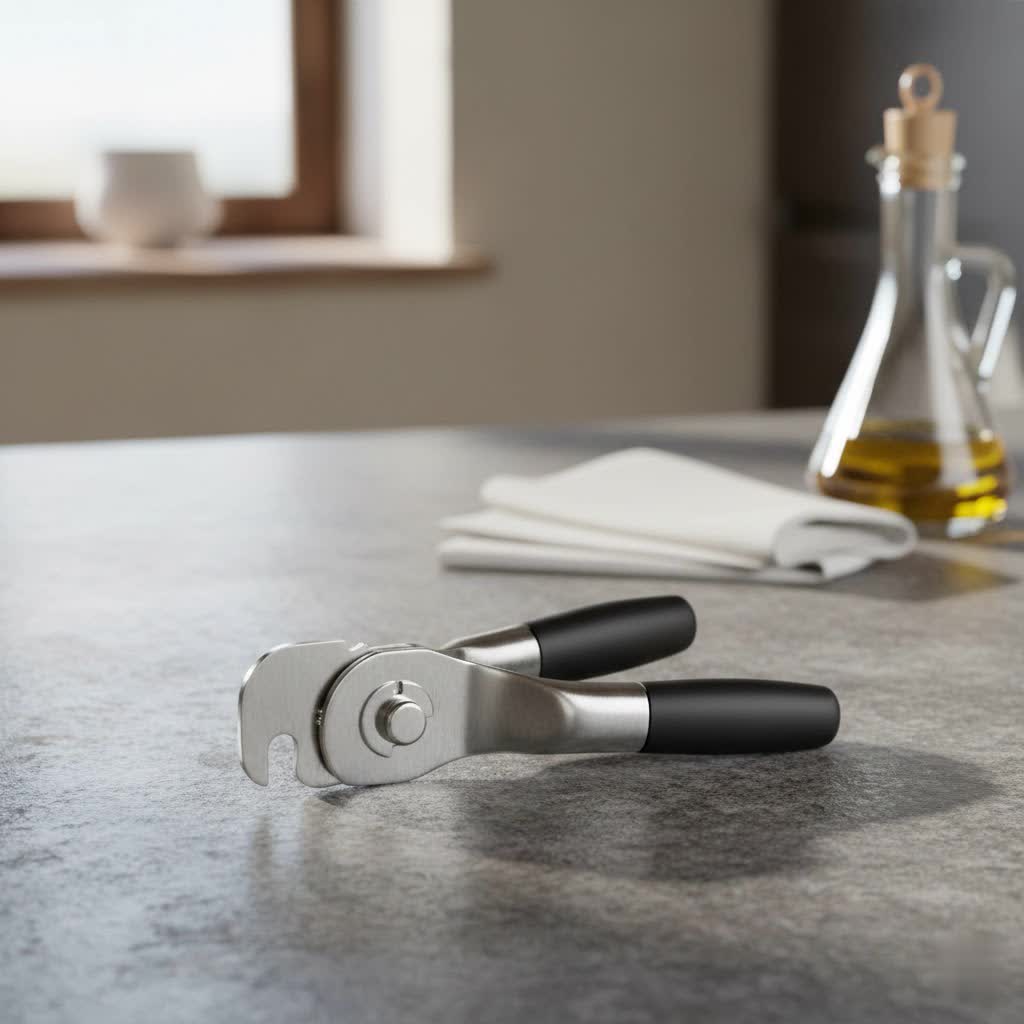
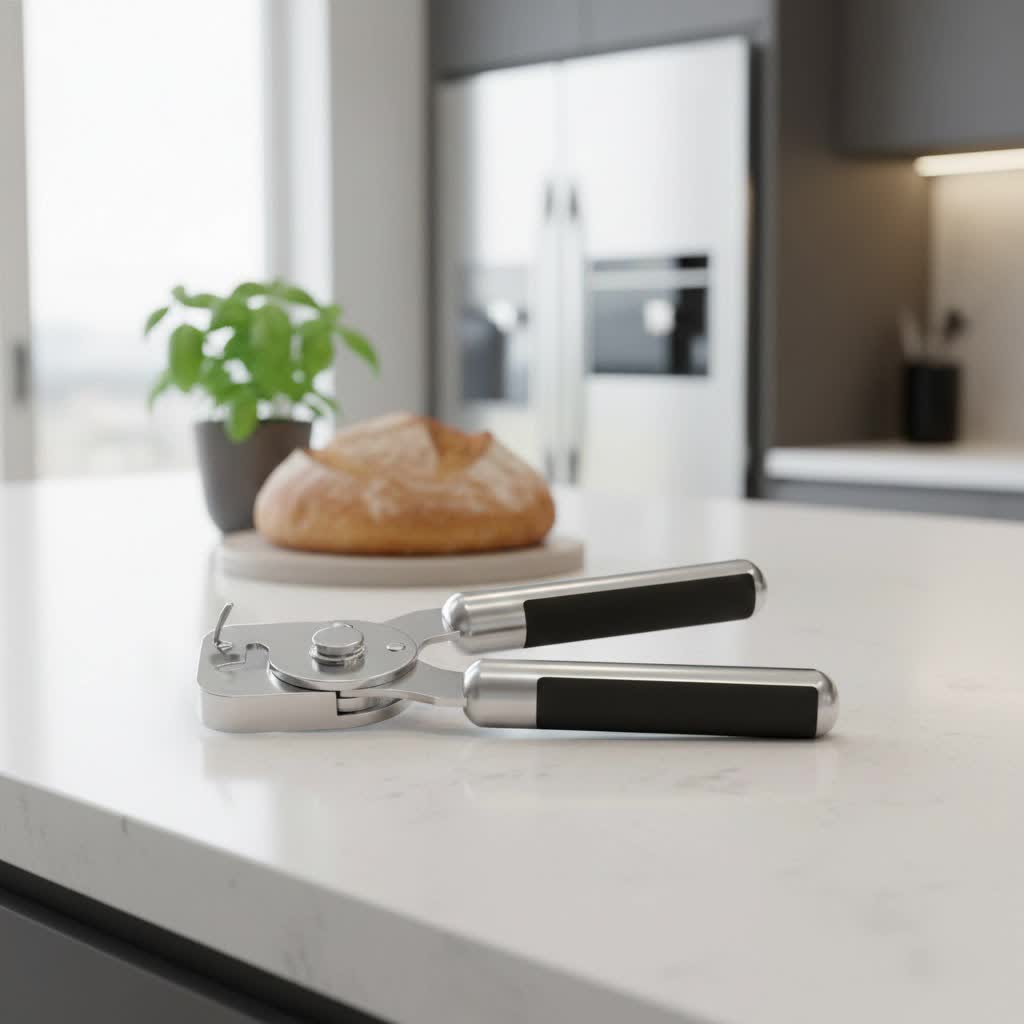
- Traditional Manual Can Openers: These are the classic hand-held models, often recognized by their two handles and a crank to turn a cutting wheel. They are typically affordable, compact, and don’t require electricity. While effective, they sometimes leave sharp edges and can demand a fair amount of hand strength and coordination.
- Rotary/Crank Manual Can Openers: Similar to traditional models but often with more ergonomic designs, these openers attach to the can’s rim and use a rotating knob to drive a blade around the lid. Many feature comfortable grips and smoother turning mechanisms.
- Electric Can Openers: Designed for convenience, electric models eliminate the need for manual effort. They come in countertop versions, which are often taller and more stable, and portable, battery-operated units. Electric can openers are especially beneficial for individuals with limited hand strength or arthritis, offering a hands-free experience.
- Safety/Smooth-Edge Can Openers: These innovative openers cut along the side of the can, just below the rim, rather than through the top. This method leaves a smooth, safe edge on both the can and the lid, minimizing the risk of cuts. They often require a slightly different technique but are highly prized for their safety features.
- Multifunction Can Openers: Many can openers, both manual and electric, come with additional features like integrated bottle openers, jar grippers, or even knife sharpeners. These versatile tools can help reduce kitchen clutter by combining several utilities into one device.
Key Factors When Buying a Can Opener
Before you rush to find a “Can Opener Near Me,” consider these critical aspects to ensure you pick a tool that will serve you well for years.
- Material: The construction material significantly influences a can opener’s durability and longevity.
- Stainless Steel: Known for its resistance to rust and corrosion, stainless steel blades and components generally offer superior durability and a longer lifespan. Many high-quality manual and electric openers incorporate stainless steel parts.
- High-Quality Plastic: Often used for handles and electric can opener bodies, good quality plastic can provide a comfortable grip and lighter weight. However, ensure it’s sturdy and doesn’t feel flimsy, as lesser plastics can crack or break over time.
- Durability and Build Quality: A well-built can opener should feel solid in your hand, with securely attached parts and smooth mechanisms. Reading user reviews can offer insights into how specific models hold up over time. Choosing reputable brands often ensures better quality.
- Ease of Use: This is paramount, especially if you open cans frequently or have specific physical needs.
- Look for ergonomic handles with soft grips for comfort and reduced strain.
- Consider models with large, easy-to-turn knobs for manual openers.
- Electric, hands-free options are ideal for those with arthritis or weak hand grip, as they do the work for you.
- Safety Features: Sharp edges are a common hazard with traditional can openers.
- Safety/smooth-edge can openers are excellent for preventing cuts.
- Some electric models also boast smooth-edge cutting technology.
- A built-in lid-lifting magnet can also enhance safety by allowing you to remove the lid without touching it.
- Versatility: Think about the variety of cans you open. Some can openers are designed to handle different can sizes, from small tuna cans to large institutional sizes. Multifunctionality, like a built-in bottle opener, can also add value.
- Price and Value: Can openers range from a few dollars to upwards of $100. While budget-friendly options exist, investing a little more often translates to better durability, ease of use, and additional features that justify the cost over time. Compare features and reviews to find the best value for your needs.
- Size and Storage: Countertop electric can openers require dedicated space. Manual openers are typically more compact and can easily fit into a kitchen drawer. Consider your available storage before purchasing.
Comparing Can Opener Types
| Feature | Traditional Manual Can Opener | Electric Can Opener | Safety/Smooth-Edge Can Opener |
|---|---|---|---|
| Pros | Affordable, compact, no power | Hands-free, easy for all strength levels, quick | No sharp edges, lid can be reused as cover, cleaner operation |
| Cons | Requires hand strength, leaves sharp edges, can be uncomfortable | Larger footprint, requires power source, generally more expensive | Can have a learning curve, may not work on all can types, slower than electric |
| Ideal For | Occasional use, budget-conscious, camping | Frequent use, individuals with arthritis or limited grip, busy kitchens | Families with children, those prioritizing safety and clean edges, meal prep |
Where to Find a Can Opener Near You
When the need for a can opener strikes, knowing where to find one quickly is key. The “near me” search implies a desire for immediate availability, often through local stores.
- Physical Retail Stores: Large retail chains are your best bet for finding a can opener in person.
- Big-Box Retailers: Stores like Walmart and Target typically carry a wide selection of manual, electric, and safety can openers from various brands. They often offer competitive prices and have many locations.
- Home Goods & Hardware Stores: Retailers such as The Home Depot and Bed Bath & Beyond also stock kitchen gadgets, including different types of can openers, often with more premium or specialized options.
- Grocery Stores & Supermarkets: Most major grocery store chains will have basic manual can openers in their kitchenware or household essentials aisle, perfect for a quick replacement during a grocery run.
- Drugstores: Places like Walgreens sometimes carry basic kitchen tools, including simple manual can openers, which can be a convenient option if other stores are not nearby.
- Electronics Stores: Best Buy might carry higher-end electric can openers as part of their small kitchen appliance selection.
- Online Retailers with Local Pickup Options: Many online giants offer “buy online, pick up in store” services. Websites for retailers like Walmart, Target, and The Home Depot allow you to check local store inventory and reserve an item for pickup, blending the convenience of online shopping with immediate access. Simply use their website or app, search for “can opener,” and select your local store to see what’s in stock for same-day pickup.
> “The best way to ensure you get the can opener you need quickly is to check online for in-store availability at major retailers before heading out. This saves time and prevents wasted trips.” – Kitchen Tech Reviewer, ReviewBDSaz.com
Tips for Using and Maintaining Your Can Opener
To ensure your can opener lasts and performs optimally, proper care is essential.
- Clean After Each Use: Food residue can build up on the cutting wheels and gears, leading to rust, dullness, and hygiene issues. Wash manual can openers with warm, soapy water and dry them immediately. For electric models, follow the manufacturer’s cleaning instructions, usually involving wiping down the cutting mechanism.
- Store in a Dry Place: Moisture is the enemy of metal components. Always ensure your can opener is completely dry before storing it in a drawer or cabinet to prevent rust, particularly with manual models.
- Lubricate Periodically (Manual Models): For manual can openers with intricate gears, a tiny drop of food-grade mineral oil applied to the moving parts every few months can help maintain smooth operation.
- Recognize Wear and Tear: If your can opener starts to slip, struggle to cut, or leaves jagged edges more frequently, it might be time for a replacement. A dull blade or misaligned gears not only make opening cans difficult but also increase the risk of injury.
Conclusion
Finding the perfect can opener doesn’t have to be a daunting task. By understanding the different types—from traditional manual to advanced electric and safety-focused models—and considering factors like material, durability, ease of use, and safety, you can make an informed decision. With countless options available at physical stores like Walmart, Target, Home Depot, and even through convenient local pickup services, a reliable can opener is always within reach. Ensure yours is well-maintained, and it will be a trusty companion in your kitchen for years to come.
What kind of can opener will you choose to make your culinary life smoother?
Câu Hỏi Thường Gặp
What type of can opener is best for seniors or those with arthritis?
Electric can openers, especially “hands-free” or “one-touch” models, are generally best for seniors or individuals with arthritis. They eliminate the need for manual grip strength and twisting, making the task effortless. Safety can openers are also a good manual alternative, as they often require less squeezing and more rolling.
Can I find a good quality manual can opener under $20?
Absolutely! Many highly-rated manual can openers from brands like OXO Good Grips and Good Cook are available for under $20. These often feature comfortable grips, durable stainless steel blades, and efficient cutting mechanisms, offering excellent value for their price.
Do “smooth-edge” can openers work on all can sizes?
Most smooth-edge can openers are designed to work on standard round cans of various sizes. However, extremely small, unusually shaped, or very large commercial cans might pose a challenge for some models. It’s always best to check product specifications if you have unique can opening needs.
How often should I replace my can opener?
The lifespan of a can opener varies greatly depending on its type, quality, and how often it’s used and maintained. Manual openers might last several years, while some electric models can last even longer. Replace it when it becomes difficult to use, leaves sharp edges, rusts significantly, or consistently fails to open cans efficiently.
Is it better to buy a can opener in-store or online?
For immediate needs or to physically assess the feel and quality of the can opener, buying in-store is often preferable. However, online shopping provides a wider selection and access to more reviews. Many retailers now offer “buy online, pick up in store” options, combining the benefits of both.