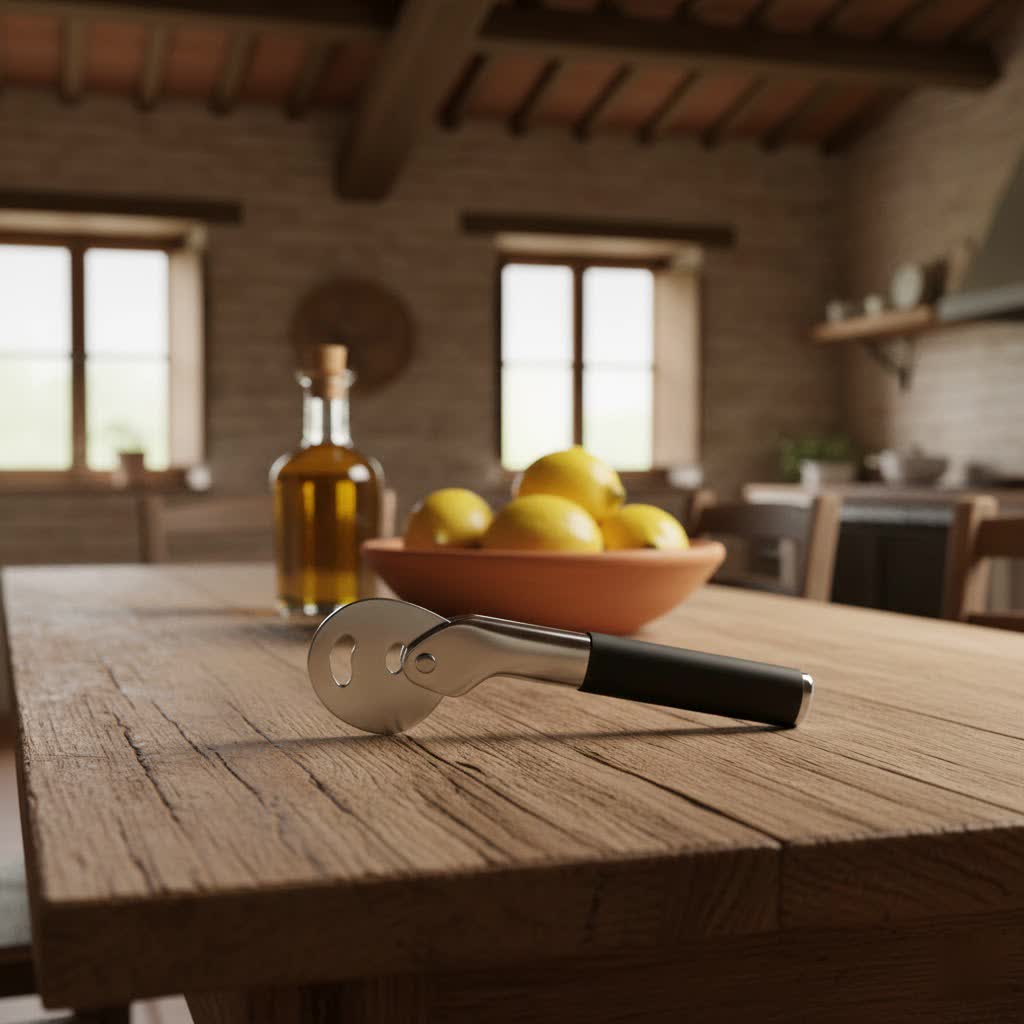
In nearly every kitchen, there’s a humble yet indispensable tool often overlooked until it fails at its primary task: the can opener. Have you ever wrestled with a stubborn can, only to end up with jagged edges, spilled contents, or a sore hand? A reliable can opener isn’t just about convenience; it’s about safety, efficiency, and making your cooking experience genuinely smoother. This comprehensive guide will navigate you through the diverse world of can openers, from classic manual designs to modern electric innovations, ensuring you select the perfect companion for your culinary adventures.
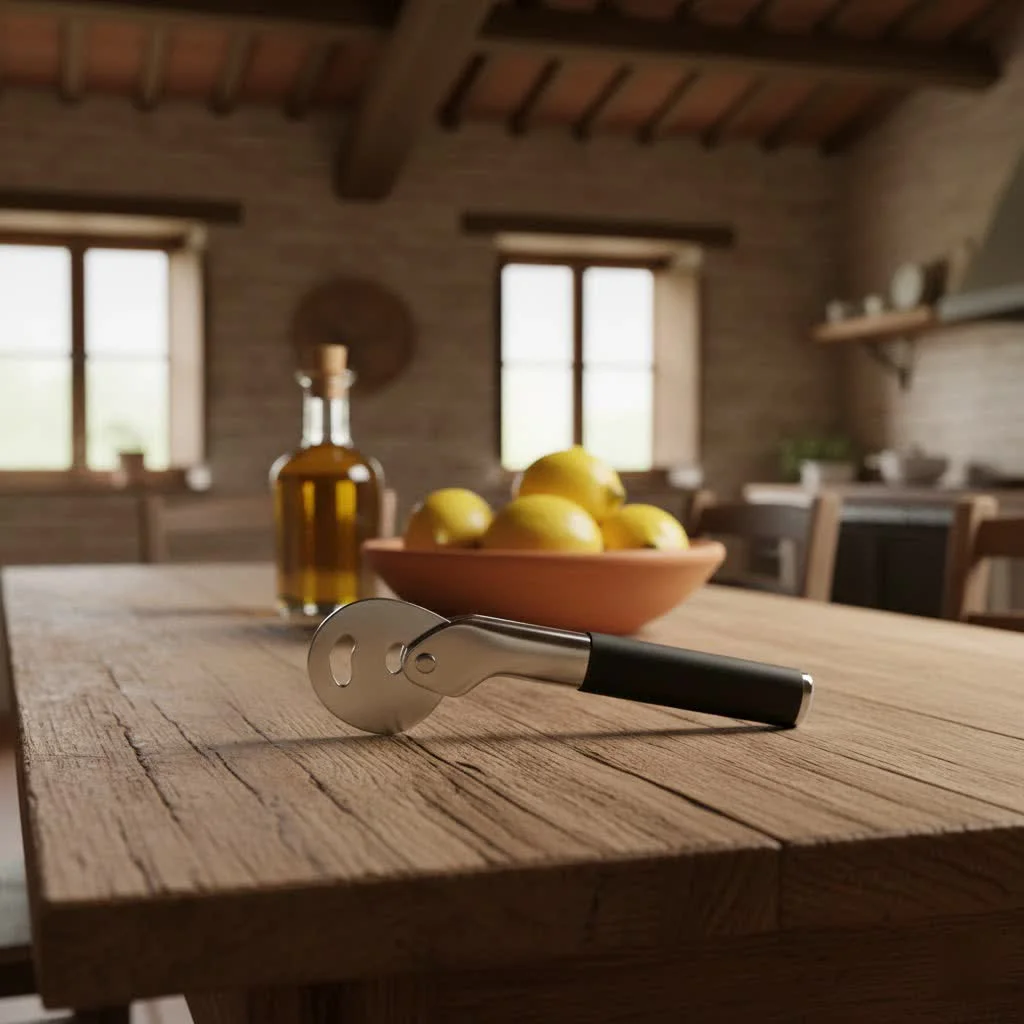
Choosing the Best Can Opener: Your Expert Guide
Selecting the ideal can opener involves understanding the different types available and evaluating their features against your specific needs. With so many options on the market, it can feel daunting to pick one that truly performs. We’ll break down the essentials to help you make an informed decision.
Popular Types of Can Openers
Can openers have evolved significantly, offering various mechanisms to suit different preferences and physical capabilities. Knowing the distinctions between each type is the first step toward finding your best match.
-
Traditional Manual Can Openers
These classic handheld devices, often called rotary or top-cut can openers, have been kitchen staples for decades. They feature two handles, a cutting wheel, and a gear that grips and rotates the can. Manual openers are generally inexpensive, compact, and portable, making them excellent for camping trips or kitchens with limited space. However, they typically require a fair amount of hand strength and can sometimes leave sharp, jagged edges on the can lid. Consistent cleaning and immediate drying are crucial to prevent rust and maintain their performance. -
Side-Cutting/Safety Can Openers
A more modern innovation, side-cutting can openers work by cutting along the side of the can, just below the rim, rather than through the top. This design creates a smooth, blunt edge on both the lid and the can, virtually eliminating the risk of cuts. They are also considered more hygienic as the cutting mechanism doesn’t touch the can’s contents. Many models include a magnetic lid lifter for hands-free removal. While they might have a slight learning curve, many users find the added safety and clean result well worth it. -
Electric Can Openers
Electric can openers offer unmatched convenience, especially for individuals with limited hand strength, arthritis, or those who open many cans regularly. They come in two main forms:- Countertop Electric Can Openers: These larger units sit on your counter, often featuring a lever or button that automatically engages the cutting process. They are powerful and fast, though they do occupy valuable counter space and require an electrical outlet.
- Handheld Electric Can Openers: More compact and battery-operated, these models sit on top of the can, cutting automatically with a press of a button. They offer similar ease of use without the need for a dedicated counter spot, but you’ll need to keep fresh batteries on hand.
-
Multi-Purpose Can Openers (Can Opener Đa Năng)
Some can openers go beyond just opening cans, incorporating additional tools like bottle openers, jar grippers, or even specialized cutters for different container types. These versatile gadgets can be space-savers, consolidating multiple tools into one handy device, perfect for efficiency-focused kitchens or travel.
Factors to Consider When Buying a Can Opener
|
Our Picks for the Best Can Opener in 2026
As an Amazon Associate I earn from qualifying purchases.
|
||
| Num | Product | Action |
|---|---|---|
| 1 | KitchenAid Classic Multifunction Can Opener and Bottle Opener Easy to Use, Razor Sharp Stainless Steel Cutting Wheel, Soft Ergonomic Handles, Pistachio |

|
| 2 | MARSWELL Hand Crank Can Opener Manual Heavy Duty, Commercial Can Openers with Ergonomic Rubber Coated Extra-Long Handles, Oversized Knob, Large Can Opener for Big Cans, Black |
|
| 3 | Good Cook Can Opener, Safe Cut Manual Can Opener, no Sharp Can Edges, Black |
|
| 4 | Beneno Can Opener, Manual Side Safe Cut Can Opener Smooth Edge with Durable Sharp Blade, Effort-Saving Knob & Comfortable Non-slip Handle, Brown |
|
| 5 | Zulay Kitchen Heavy Duty Stainless Steel Can Opener Manual with Bottle Opener - Rust Proof Manual Can Opener With Turn Knob & Comfy Soft Grip Handles - Black |
|
| 6 | Beneno Heavy Duty Hand Can Opener Manual with Magnet, Durable Sharp Carbon Steel Blade Smooth Cutting, Big Effort-Saving Knob & Soft Grip Handle, Multifunctional Kitchen Tool with Bottle Opener, Green |
|
| 7 | GORILLA GRIP Heavy Duty Stainless Steel Smooth Edge Manual Can Opener, Soft Comfortable Handle, Large Handheld Turn Knob, Built-In Bottle Openers, US Designed, Holiday Prep Kitchen Essential, Black |
|
| 8 | KitchenAid Classic Multifunction Can Opener and Bottle Opener Easy to Use, Razor Sharp Stainless Steel Cutting Wheel, Soft Ergonomic Handles, Empire Red |
|
| 9 | OXO Good Grips Smooth Edge Can Opener |
|
| 10 | Commercial Can Opener, UHIYEE Hand Crank Can Opener Manual Heavy Duty with Comfortable Extra-long Handles, Oversized Knob, Large Handheld Can Open Easy for Big Cans, Black |
|
Beyond the basic type, several characteristics contribute to a can opener’s overall performance, durability, and user satisfaction. Paying attention to these details ensures you choose a tool that will serve you well for years.
-
Material
The materials used in a can opener significantly impact its longevity and hygiene.- Stainless Steel: Look for cutting blades and gears made from high-quality stainless steel. It’s highly durable, resistant to rust and corrosion, and easy to clean, ensuring a sharp cut over time.
- High-Quality Plastic/Silicone: While the cutting mechanism should be metal, handles made from durable, soft-touch plastics or silicone offer a comfortable and non-slip grip. This is especially important for manual models that require significant hand pressure.
-
Durability
A can opener is an investment, even at a low price point. Seek out models with robust construction, sturdy hinges, and a solid feel. Reading user reviews often provides insight into how well a particular model holds up over time. Trusted brands with a history of quality kitchen tools are often a good bet, as they tend to use better materials and manufacturing processes. -
Features
Modern can openers come with various features designed to enhance usability and safety.- Ease of Use: Regardless of type, an ideal can opener should feel natural in your hand. For manuals, look for large, easily rotatable knobs and comfortable, non-slip handles. Electric models should have intuitive controls.
- Safety: Side-cutting models are inherently safer due to their blunt edge output. Features like magnetic lid lifters prevent you from touching potentially sharp edges and dropping the lid into your food.
- Versatility: If you’re looking to minimize kitchen clutter, a can opener with an integrated bottle opener or jar gripper can be incredibly useful.
- Easy to Clean: Can openers should be easy to clean thoroughly to prevent food residue buildup and rust. Manual openers with wide-opening hinges facilitate cleaning, while electric ones often require a simple wipe-down of their cutting area.
-
Price
Can opener prices can range from under $10 for basic manual models to over $50 for high-end electric or specialized side-cutters. Determine your budget, but remember that a slightly higher investment often translates to better materials, durability, and a more pleasant user experience. Comparing features and reading reviews within your price range will help you find the best value.
Comparison Table: Types of Can Openers
| Feature | Manual Handheld | Side-Cutting/Safety | Electric (Countertop/Handheld) |
|---|---|---|---|
| Pros | Inexpensive, portable, reliable, no power needed | Smooth edges, hygienic, often includes magnetic lid lifter | Effortless, fast, ideal for limited mobility, smooth edges |
| Cons | Requires hand strength, can leave sharp edges, rust risk if not dried properly | May have a learning curve, can be bulkier than traditional manuals | Needs power/batteries, takes up counter space (for countertop models), higher price point |
| Safety | Potentially sharp lid edges | Smooth, blunt edges, safer | Smooth, blunt edges, very safe |
| Effort | High | Medium | Low |
| Cost | Low | Medium | High |
Where to Buy Can Openers
Finding your next can opener is easier than ever, with many options available both online and in physical stores.
- Local Household Stores: Many kitchenware and department stores carry a good selection of manual and basic electric can openers, allowing you to get a feel for them before purchasing.
- Supermarkets: For a quick and affordable option, your local grocery store often has a basic range of manual can openers.
- E-commerce Websites: Online retailers like Amazon or Wayfair offer the widest variety, including specialized and high-end models, often with extensive customer reviews to guide your choice. This is also a great place to compare prices and find specific brands.
Tips for Using and Maintaining Your Can Opener
Even the best can opener needs a little care to ensure it performs optimally and lasts for years. Proper use and maintenance are key to prolonging its lifespan and ensuring safe operation.
- Clean After Each Use: Food residue can accumulate on the cutting wheel and gears, leading to dullness or rust. For manual openers, hand wash with soap and water and dry immediately to prevent corrosion. Some modern models are dishwasher safe, but always check the manufacturer’s instructions.
- Store Properly: Keep your can opener in a dry place to prevent moisture-related damage. For countertop electric models, wipe down regularly.
- Replace When Necessary: A can opener that consistently struggles, slips, or leaves jagged edges is a safety hazard and should be replaced. The cutting mechanism naturally dulls over time, and attempting to force a dull opener can lead to accidents.
- Ensure Correct Alignment: For manual and some electric openers, proper alignment on the can rim is crucial for a clean cut. Take a moment to secure it correctly before operating.
“A truly great can opener should feel like an extension of your hand – effortless, safe, and dependable every time you reach for it.”
Conclusion
The journey to finding the “best can opener” is a personal one, shaped by your unique kitchen habits, strength, and priorities. Whether you lean towards the time-tested reliability of a manual, the innovative safety of a side-cutter, or the sheer convenience of an electric model, a thoughtful choice can transform a mundane task into an effortless part of your cooking routine. Investing in a high-quality can opener not only streamlines meal prep but also enhances safety in your kitchen. So, take the time to consider your needs, explore the options, and equip your kitchen with a tool that truly makes a difference. Which type of can opener will elevate your culinary experience next?
Frequently Asked Questions
Are side-cutting can openers better than traditional ones?
Side-cutting can openers are often preferred for their safety, as they leave a smooth, blunt edge on the can, eliminating sharp hazards. They also offer a more hygienic cut, as the blade doesn’t come into contact with the food. However, they can have a slight learning curve compared to traditional models.
How often should I replace my can opener?
The lifespan of a can opener varies depending on its type and how often it’s used, but generally, manual openers should be replaced every few years or when they become dull, rusty, or difficult to operate. Electric models may last longer but should be replaced if they stop working efficiently or safely.
Can electric can openers open all can sizes?
Most electric can openers are designed to handle standard-sized cans. While many are versatile, it’s always wise to check the product specifications if you frequently open unusually large, small, or uniquely shaped cans to ensure compatibility.
What materials are best for can opener handles?
Handles made from soft, ergonomic materials like silicone, rubber, or soft-grip plastic are generally preferred. These materials provide a comfortable and secure grip, reducing hand fatigue and preventing slips, especially important for manual can openers that require more physical effort.
How do I clean a manual can opener properly?
To clean a manual can opener, hand wash it immediately after use with warm, soapy water, paying close attention to the cutting wheel and gears. Rinse thoroughly and dry it completely with a cloth to prevent rust and maintain its sharp edge. Avoid leaving it to air dry or soaking it.
Get our weekly buyer guide
Practical specs, not advice. Unsubscribe anytime.
