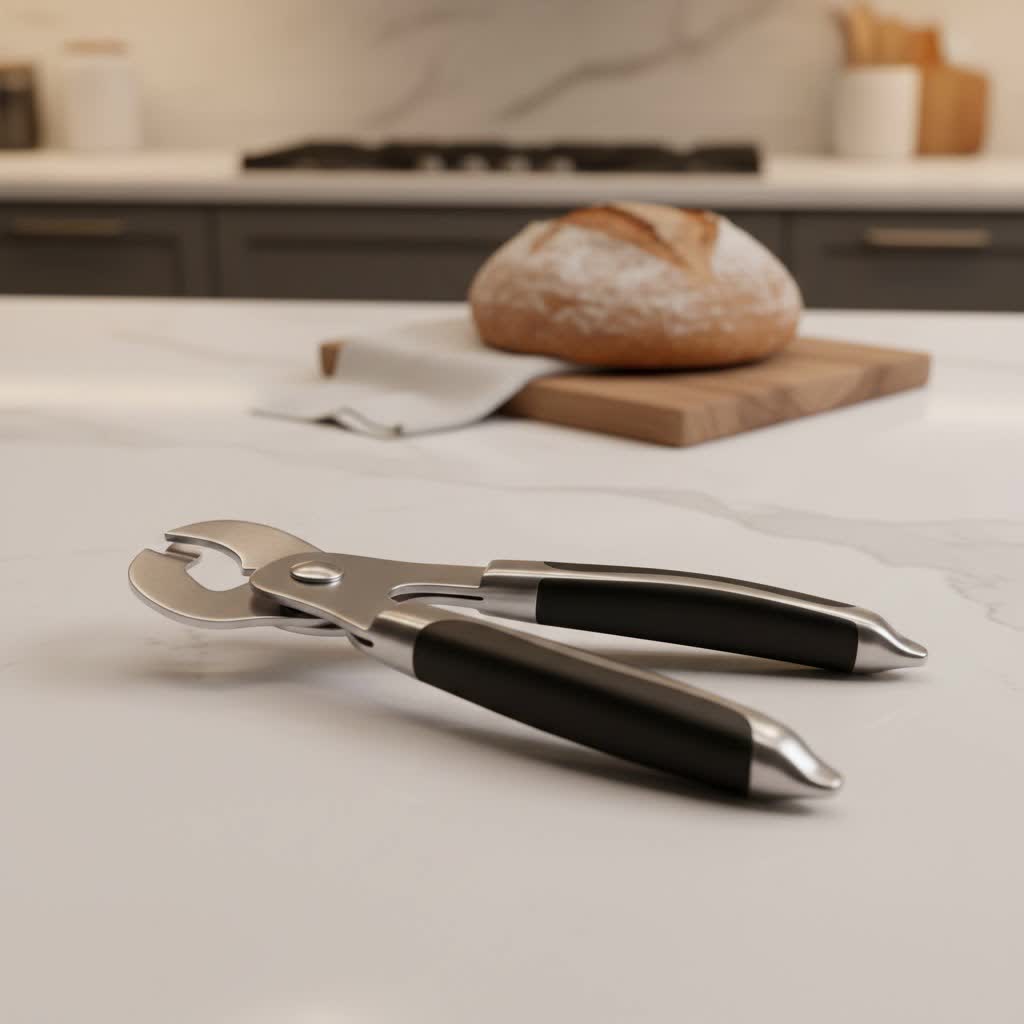
Have you ever faced a stubborn can, wrestling with a flimsy opener that slips and struggles, leaving behind jagged edges and frustration? For many home cooks, the humble can opener is a kitchen workhorse, a tool we often take for granted until it fails us. While electric models offer convenience, a well-chosen manual can opener provides unparalleled control, reliability, and space-saving design, making it an indispensable gadget in any kitchen. This comprehensive guide, informed by years of experience and extensive testing, will help you navigate the options and select the perfect manual can opener to meet your needs, ensuring smooth, safe, and efficient opening every time.
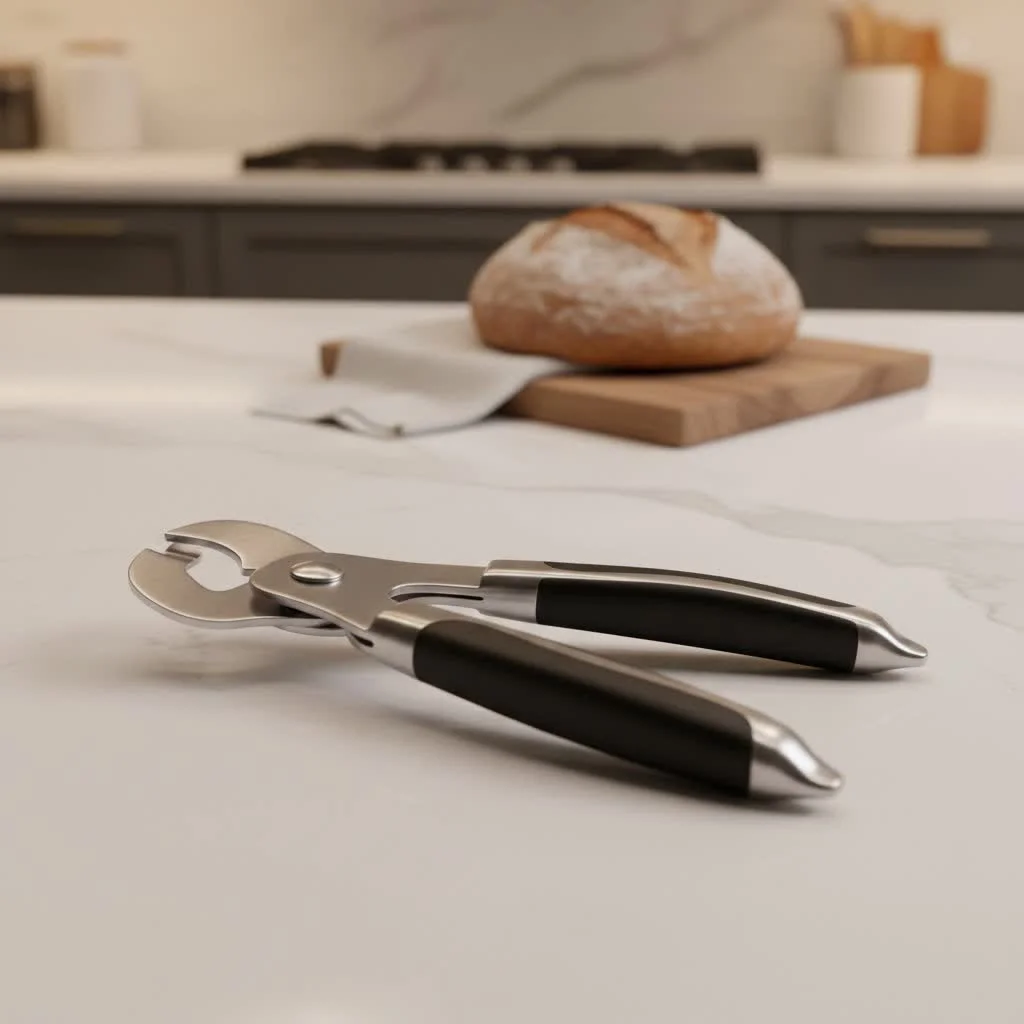
How to Choose the Best Manual Can Opener
Selecting the ideal manual can opener goes beyond simply finding a tool that cuts open a can. It involves understanding the different mechanisms, evaluating key features, and considering how the opener will integrate into your daily kitchen routine. With the right information, you can invest in a durable and user-friendly model that makes quick work of any canned good. For shop curated reviews on this site.
Types of Manual Can Openers
Manual can openers primarily come in two distinct styles: traditional top-cut and modern smooth-edge (or safety) designs. Each offers unique advantages and disadvantages in terms of cutting, safety, and operation.
-
Traditional Handheld Can Opener (Top-Cut)
This is likely the image that first comes to mind when you think of a can opener. It features two handles that clamp onto the top rim of a can, with a sharp cutting wheel that pierces the lid and a geared wheel that rotates the can as you turn a knob.- Pros: Traditional openers are often the most familiar and intuitive to use for many. They are typically affordable, widely available, and generally open cans quickly. Their straightforward design means fewer moving parts that could potentially malfunction.
- Cons: The primary drawback of top-cut openers is that they leave behind a sharp, jagged lid edge and a similarly sharp can rim. This poses a safety risk for cuts when handling the lid or scraping out contents. The lid also typically falls into the can, sometimes touching the food, and manual removal can be messy.
- Examples: Popular models like the OXO Good Grips Soft Handle Manual Can Opener and the classic Swing-A-Way often fall into this category, known for their reliable performance and ease of use despite the sharp edges.
-
Smooth-Edge (Safety/Side-Cut) Can Opener
Designed with safety in mind, smooth-edge can openers operate by cutting along the side of the can’s rim, just below the bead, rather than piercing the top. This mechanism creates a smooth, dull edge on both the lid and the can itself.- Pros: The paramount advantage is safety; these openers eliminate sharp edges, making lids safe to handle and reducing the risk of cuts. The lid can often be re-seated on the can for temporary storage, and the cutting wheel typically doesn’t come into contact with the food, making them more hygienic. Many users with arthritis or limited hand strength find them easier to operate as they often require less squeezing of the handles.
- Cons: Smooth-edge openers can have a slight learning curve if you’re accustomed to traditional models, as the initial engagement with the can feels different. They may sometimes operate a bit slower and require a consistent cranking motion. The lid might also feel “sticky” when removed due to the sealant it cuts through.
- Examples: The OXO Good Grips Smooth Edge Can Opener and the Kuhn Rikon Auto Safety Master Can Opener are highly-regarded examples of this type, praised for their safety features and clean cuts.
-
Multi-functional Can Openers
Some manual can openers integrate additional tools, such as bottle openers for crown-cap bottles, pull-tab grabbers for easy-open cans, or even small pliers to assist with lid removal. These added features can enhance versatility and help reduce kitchen clutter.
Factors to Consider When Buying a Manual Can Opener
|
Our Picks for the Best Can Opener in 2026
As an Amazon Associate I earn from qualifying purchases.
|
||
| Num | Product | Action |
|---|---|---|
| 1 | Zulay Kitchen Heavy Duty Stainless Steel Can Opener Manual with Bottle Opener - Rust Proof Manual Can Opener With Turn Knob & Comfy Soft Grip Handles - Black |

|
| 2 | Beneno Can Opener, Manual Side Safe Cut Can Opener Smooth Edge with Durable Sharp Blade, Effort-Saving Knob & Comfortable Non-slip Handle, Brown |
|
| 3 | KitchenAid Classic Multifunction Can Opener and Bottle Opener Easy to Use, Razor Sharp Stainless Steel Cutting Wheel, Soft Ergonomic Handles, Empire Red |
|
| 4 | Good Cook Can Opener, Safe Cut Manual Can Opener, no Sharp Can Edges, Black |
|
| 5 | OXO Good Grips Smooth Edge Can Opener |
|
| 6 | Commercial Can Opener, UHIYEE Hand Crank Can Opener Manual Heavy Duty with Comfortable Extra-long Handles, Oversized Knob, Large Handheld Can Open Easy for Big Cans, Black |
|
| 7 | Beneno Heavy Duty Hand Can Opener Manual with Magnet, Durable Sharp Carbon Steel Blade Smooth Cutting, Big Effort-Saving Knob & Soft Grip Handle, Multifunctional Kitchen Tool with Bottle Opener, Green |
|
| 8 | KitchenAid Classic Multifunction Can Opener and Bottle Opener Easy to Use, Razor Sharp Stainless Steel Cutting Wheel, Soft Ergonomic Handles, Pistachio |
|
| 9 | MARSWELL Hand Crank Can Opener Manual Heavy Duty, Commercial Can Openers with Ergonomic Rubber Coated Extra-Long Handles, Oversized Knob, Large Can Opener for Big Cans, Black |
|
| 10 | GORILLA GRIP Heavy Duty Stainless Steel Smooth Edge Manual Can Opener, Soft Comfortable Handle, Large Handheld Turn Knob, Built-In Bottle Openers, US Designed, Holiday Prep Kitchen Essential, Black |
|
When evaluating which manual can opener is right for you, several key factors come into play, influencing everything from performance and durability to comfort and overall value.
-
Material
The materials used in a can opener’s construction significantly impact its longevity and feel.- Stainless Steel: Often found in higher-end models, stainless steel blades and bodies offer superior durability and rust resistance, provided they are dried thoroughly after washing. These tools tend to have a more robust and professional feel.
- High-Grade Plastic/Soft Grip: While the cutting mechanism is usually metal, many can openers feature handles made from high-grade plastic with soft, ergonomic grips. These materials enhance comfort, provide a non-slip hold, and reduce hand fatigue, making the opener easier to use for extended periods or for individuals with hand pain.
- Chrome Blades: Budget-friendly options may use chrome-plated blades or components. While functional, they might not offer the same long-term durability or rust resistance as stainless steel.
-
Durability
A good manual can opener should be a long-lasting investment.- User Reviews: Before purchasing, check user reviews for insights into long-term performance and common issues like rusting, dulling blades, or broken handles.
- Reputable Brands: Brands like OXO, Kuhn Rikon, Rösle, and Swing-A-Way have a reputation for producing reliable kitchen tools.
- Construction Quality: Look for models with tight, sturdy hinges, robust gearing, and solid handle construction to withstand repeated use. A heavier feel often indicates more durable materials.
-
Features
Beyond the basic cutting function, certain features can greatly improve the can-opening experience.- Ease of Use: This is paramount. Look for a large, smooth-turning knob that provides good leverage and requires minimal effort. Comfortable, non-slip handles are essential, especially if your hands are wet or if you have issues with grip strength. Some models offer handles that lock together, reducing the need for constant squeezing.
- Cutting Style: As discussed, decide between a traditional top-cut (faster, familiar, but sharp edges) and a smooth-edge side-cut (safer, hygienic, but potentially slower or with a learning curve). Your preference will largely dictate your choice here.
- Lid Handling: Features like built-in magnets that lift the detached lid from the can (found in models like the Beneno or Zyliss) can be incredibly convenient, preventing the lid from falling into the food and keeping your hands clean. Some safety openers incorporate mini-pliers or grabbers to help remove the lid effortlessly.
- Versatility: Consider if you need a can opener with additional functionalities, such as an integrated bottle opener or a tool for opening pull-tab cans, to maximize its utility.
-
Price
Manual can openers are available across a range of price points, from budget-friendly basics to premium, heavy-duty options.- Price Segments: You can find reliable manual can openers for under $15, while higher-end models, often made with more robust materials and additional features, can cost upwards of $30-$40.
- Value for Money: While a cheaper opener might seem appealing, investing a bit more in a durable, comfortable, and efficient model from a reputable brand can save you money and frustration in the long run.
Comparison Table of Manual Can Openers
| Feature | Traditional Handheld Can Opener | Smooth-Edge (Safety) Can Opener |
|---|---|---|
| Cutting Style | Top-cut (pierces through the lid) | Side-cut (cuts along the can’s rim) |
| Edge Safety | Leaves sharp, jagged edges on lid and can | Produces smooth, dull edges on lid and can |
| Effort | Moderate, often requires handle squeezing | Moderate to high, less hand squeezing due to design |
| Lid Handling | Lid typically falls into food, manual removal | Lid often lifts cleanly, can be re-seated, sometimes includes magnet/pliers |
| Hygiene | Cutting blade may come into contact with food | Cutting blade generally does not touch food contents |
| Cost | Generally more affordable | Often commands a slightly higher price point |
| Common Use | Everyday can opening, familiar operation | Safer option, beneficial for those with hand pain or when children assist |
Where to Buy a Manual Can Opener?
High-quality manual can openers are readily available through various channels:
- Home Goods Stores: Retailers specializing in kitchenware and home essentials, such as Williams Sonoma, Target, or other local stores, often stock a good selection of reputable brands.
- Supermarkets: Most grocery stores carry basic manual can openers, which can be convenient for immediate needs, though the selection might be limited.
- E-commerce Websites: Online giants like Amazon, as well as individual brand websites (e.g., OXO.com), offer the widest variety, allowing you to compare features, read extensive reviews, and often find competitive pricing.
Tips for Using and Maintaining Your Manual Can Opener
Proper use and maintenance are crucial for ensuring your manual can opener performs optimally and lasts for many years.
- Clean After Every Use: Immediately after opening a can, handwash your opener. Food residues, especially from sticky or acidic foods, can accumulate on the cutting wheel and gears, leading to rust or impaired function. For traditional openers, ensure food particles are thoroughly removed from the blade area.
- Thoroughly Dry: Even if made from stainless steel, all metal components can eventually rust if left wet. After washing, dry your can opener completely with a towel before storing it. Air drying alone may not be sufficient.
- Store in a Dry Place: Keep your can opener in a dry drawer or hanging on a hook. Avoid storing it in areas prone to moisture, such as directly next to the sink.
- Handle Care: For models with soft-grip handles, ensure they are also cleaned and dried to prevent degradation over time.
Conclusion
Choosing the best manual can opener can significantly enhance your kitchen experience, transforming a mundane task into an effortless one. By considering the different types—traditional top-cut for familiar speed or smooth-edge for unmatched safety—and evaluating crucial factors like material, durability, and ergonomic features, you can make an informed decision. Investing in a well-regarded model like those from OXO Good Grips or Kuhn Rikon ensures you acquire a reliable tool built to last. A quality manual can opener isn’t just a gadget; it’s a testament to simplicity, control, and lasting performance in your culinary adventures. Which type of manual can opener do you find indispensable in your kitchen?
Frequently Asked Questions
How do you properly use a manual can opener?
To use a traditional manual can opener, position the cutting wheel just inside the can’s rim and the gear wheel on the outside. Squeeze the handles firmly to pierce the lid, then turn the knob clockwise to rotate the can, cutting the lid as you go. For a smooth-edge opener, place it flat on top of the can so it grips the side rim, then twist the knob until the lid is fully separated.
Are smooth-edge can openers really better than traditional ones?
Smooth-edge can openers offer a significant safety advantage by leaving dull edges on both the lid and can, virtually eliminating the risk of cuts. They also tend to be more hygienic as the blade doesn’t contact food. While they might have a slight learning curve and can sometimes be slower, their safety and clean finish often make them a preferred choice for many.
Why does my manual can opener rust?
Most manual can openers, even those made from stainless steel, can rust if not properly maintained. The primary cause of rust is moisture. Failing to thoroughly clean and dry the opener immediately after use, or washing it in a dishwasher, can lead to rust formation over time. Always handwash and dry completely to prevent this.
How long should a good manual can opener last?
A high-quality manual can opener, particularly one made from durable materials like stainless steel and properly maintained, can last for many years, often a decade or more. Its lifespan largely depends on the frequency of use, the quality of its construction, and consistent cleaning and drying practices.
Can I put my manual can opener in the dishwasher?
While some manufacturers claim their manual can openers are dishwasher-safe, it is generally recommended to handwash them. The harsh detergents, high temperatures, and prolonged moisture exposure in a dishwasher can dull blades, damage moving parts, and accelerate rust, significantly shortening the lifespan of your opener.
Get our weekly buyer guide
Practical specs, not advice. Unsubscribe anytime.
