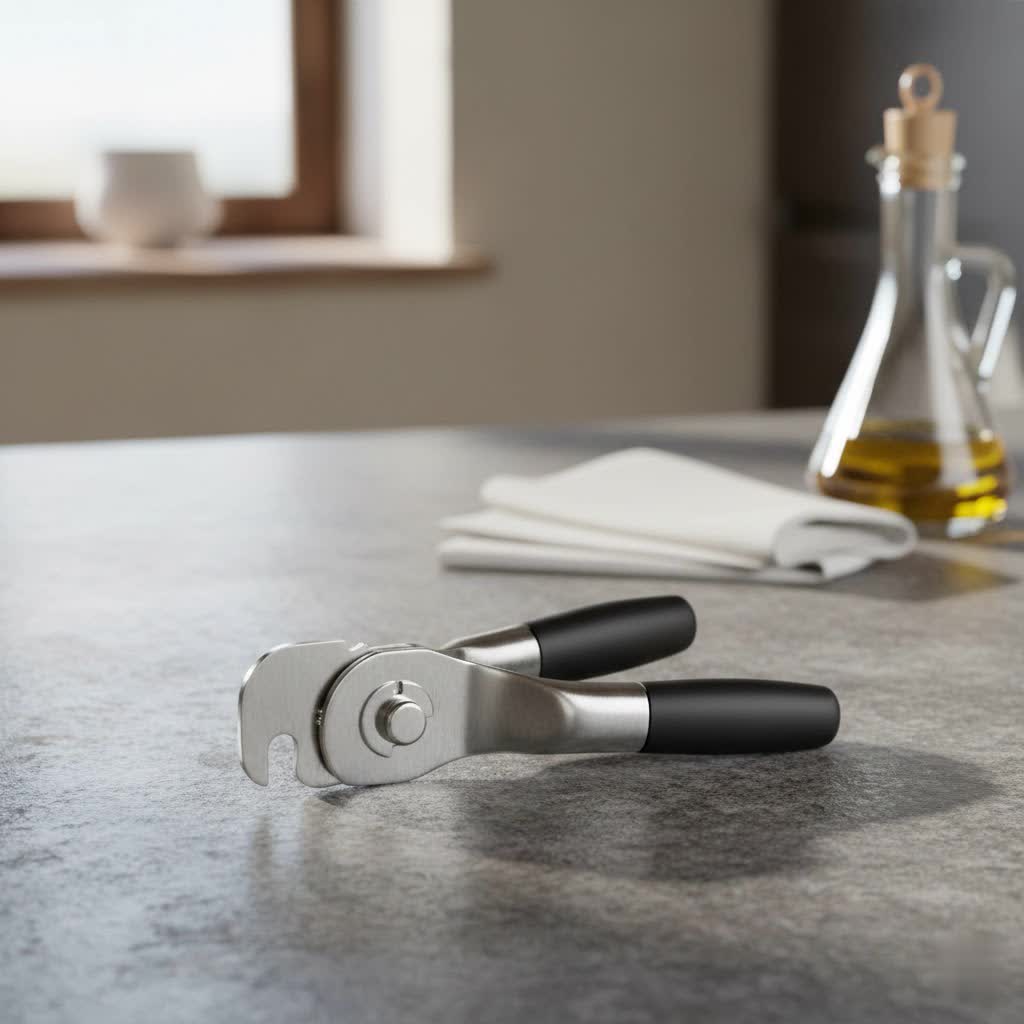
For over a decade, I’ve been immersed in the world of kitchen tools, meticulously testing and reviewing countless can openers, from the simplest designs to the most innovative models. As the Admin of reviewbdsaz.com and a seasoned technician, I understand that selecting the right Manual Can Opener can significantly enhance your kitchen experience. It’s more than just a gadget; it’s a daily essential that saves you time, prevents accidents, and ensures your culinary journey is smooth and enjoyable. This guide distills my extensive knowledge and hands-on experience to help you navigate the options and find the perfect manual can opener for your needs.
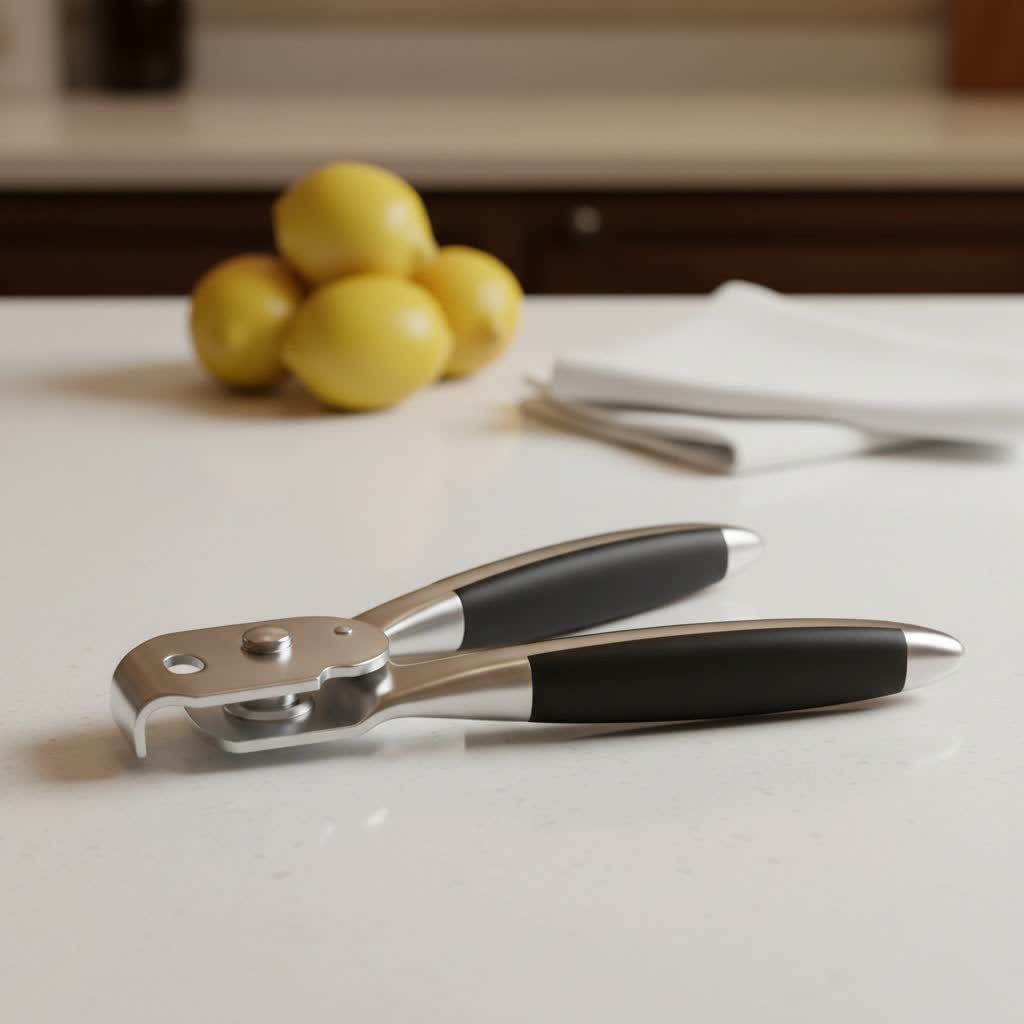
Choosing the Best Manual Can Opener
The humble manual can opener, often overlooked, is a cornerstone of any well-equipped kitchen. It offers reliability, portability, and simplicity that electric counterparts sometimes can’t match. But with so many designs on the market, how do you choose one that performs consistently and comfortably? It all starts with understanding the different types and what makes a great opener truly stand out.
Popular Types of Manual Can Openers
Manual can openers come in several forms, each with unique advantages and operational styles. Knowing these types is the first step toward making an informed decision.
-
Traditional Handheld (Top-Cut) Can Openers
These are the most familiar style, typically featuring two handles that clamp onto the can and a rotating crank. A sharp blade punctures the can lid from the top, and a gear mechanism rotates the can as you turn the knob, cutting around the perimeter.- Pros: Generally affordable, straightforward operation for many, widely available.
- Cons: Often leaves sharp, jagged edges on the lid and can, requiring careful handling to avoid cuts. The blade can also come into contact with the can’s contents.
-
Side-Cut (Smooth Edge/Safety) Can Openers
Designed with safety in mind, these innovative openers cut along the side seam of the can, just below the rim, rather than through the top. This method creates a smooth, re-sealable lid without sharp edges.- Pros: Eliminates sharp edges for safer handling, the lid can often be replaced for temporary storage, and the cutting blade doesn’t touch the food, promoting better hygiene.
- Cons: Can have a slight learning curve for first-time users, sometimes pricier than traditional models.
-
Compact/Multi-functional Can Openers
Some manual can openers prioritize space-saving design or offer additional utility. These can range from small, dial-turn designs to models incorporating bottle openers, pull-tab assistors, or jar grippers.- Pros: Excellent for small kitchens, camping, or travel; versatile for opening various items.
- Cons: May require more hand strength or a specific technique, potentially less robust for heavy-duty use.
Factors to Consider When Buying a Manual Can Opener
Beyond the basic type, several critical factors influence a manual can opener’s performance, durability, and user experience. Paying attention to these details ensures you invest in a tool that truly meets your needs.
-
Material: The construction material directly impacts longevity and hygiene.
- Stainless Steel: Often found in the cutting mechanism and sometimes the body, stainless steel offers excellent durability and resistance to rust and corrosion, crucial for a tool exposed to moisture.
- High-Grade Plastic: Used for handles and certain components, good quality plastic can provide a comfortable, non-slip grip and is lightweight. Look for BPA-free and sturdy options.
- Consider an opener that combines stainless steel for cutting parts and comfortable, durable plastic for handles for the best balance.
-
Durability: A can opener that lasts is a smart investment.
- Check User Reviews: Reviews often highlight common failure points or praise long-term performance. Brands like OXO, Kuhn Rikon, and Swing-A-Way frequently receive high marks for durability.
- Sturdy Construction: Look for openers with solid, well-integrated parts and minimal wobbling in the gears and handles. Heavy-duty construction, especially in the cutting head, indicates better resilience.
-
Features: Modern manual can openers can offer more than just basic can-opening.
- Ergonomic Handles: Soft-grip, non-slip handles are paramount for comfort and leverage, especially during prolonged use or for individuals with hand strength limitations. Look for handles that fit well in your palm and reduce strain.
- Large, Easy-Turn Knob: A larger knob provides better grip and leverage, making the cranking action smoother and requiring less effort.
- Lid-Catching Magnet/Pliers: This feature is invaluable for hygienic and safe lid removal, preventing the lid from falling into the food or requiring you to touch sharp edges. Many side-cut openers include this.
- Built-in Bottle Opener: A convenient addition for opening crown-cap bottles, making your can opener a multi-purpose tool.
-
Safety: This is perhaps the most important consideration for any kitchen tool.
- Smooth-Edge Cutting: Opting for a side-cut can opener significantly enhances safety by eliminating hazardous sharp edges on both the lid and the can. This is particularly important in households with children or for anyone prone to kitchen mishaps.
- Secure Grip: Non-slip handles and a mechanism that securely clamps onto the can minimize slips and potential injuries.
-
Ease of Use: An intuitive and comfortable design makes a big difference.
- Smooth Mechanism: The gears should turn smoothly without excessive force or jamming.
- Effortless Clamping: The handles should clamp securely onto the can with minimal effort.
- For those with arthritis or limited hand mobility, prioritizing models with large cranks and ergonomic soft-grip handles is crucial.
-
Price: Manual can openers range widely in price.
- Budget-Friendly: Basic traditional openers are very affordable.
- Mid-Range: Many high-quality traditional and basic side-cut openers fall into this category, offering a great balance of features and value.
- Premium: Higher-end side-cut models, often made with superior materials and advanced mechanisms, represent a greater investment but promise enhanced durability and user experience.
- Compare features and user reviews within your budget to find the best value.
Comparison of Popular Manual Can Opener Types
Let’s break down the key differences to help you visualize which type aligns best with your kitchen habits.
| Feature | Traditional Handheld (Top-Cut) | Side-Cut (Smooth Edge/Safety) | Compact/Multi-functional |
|---|---|---|---|
| Safety | Leaves sharp edges | Smooth, safe edges | Varies, often smooth |
| Ease of Use | Intuitive, but can require force | Slight learning curve, easier once mastered | Can be awkward initially |
| Lid Contamination | Blade often touches food | Blade does not touch food | Varies |
| Durability | Varies, often basic | Generally good to excellent | Varies, can be less robust |
| Additional Features | Less common | Lid grabber common | Multi-tools common |
| Typical Price | Low | Medium to High | Low to Medium |
Where to Buy Your Manual Can Opener
Finding the right manual can opener is easier than ever with numerous retail options available.
- Home Goods Stores: Retailers like Bed Bath & Beyond, Target, and Walmart often stock a wide range of manual can openers, allowing you to physically examine them for comfort and build quality.
- Supermarkets: Many grocery stores carry basic to mid-range manual can openers, convenient for quick purchases.
- Online Retailers: Platforms like Amazon, Williams Sonoma, and Sur La Table offer an extensive selection, often including niche brands and detailed customer reviews that can be invaluable for research.
Tips for Using and Maintaining Your Manual Can Opener
Proper use and care can significantly extend the life of your manual can opener and ensure it performs optimally every time.
- Clean After Every Use: Food residue can accumulate on the cutting wheel and gears, leading to dullness or rust. Wash your can opener with warm, soapy water immediately after use.
- Dry Thoroughly: Moisture is the enemy of metal. After washing, dry your can opener completely with a towel before storing it to prevent rust, especially for models not made entirely of stainless steel.
- Store Properly: Keep your can opener in a dry drawer or hang it on a utensil rack. Avoid storing it in damp environments.
- Lubricate Periodically (If Applicable): For some models, particularly older or heavy-duty crank designs, a tiny drop of food-grade mineral oil on the moving parts can maintain smooth operation. Consult the manufacturer’s instructions.
- Replace When Dull: A struggling can opener is not just frustrating; it can be dangerous. If your opener consistently leaves jagged edges, slips frequently, or requires excessive force, it’s time for a replacement.
> “A truly great manual can opener isn’t just about cutting a lid; it’s about comfort, safety, and a smooth, reliable performance that you can count on day in and day out.” – Admin, reviewbdsaz.com
Conclusion
The manual can opener, while a simple tool, is an indispensable part of any kitchen. By considering the different types—traditional, side-cut, and compact—and carefully evaluating factors like material, durability, safety features, ease of use, and price, you can confidently select a model that perfectly suits your culinary needs. Remember, a comfortable grip and a smooth-cutting mechanism are key to a frustration-free experience. Invest in quality, maintain it well, and your chosen manual can opener will serve you reliably for years to come. What kind of cans are you opening tonight, and which manual can opener will you trust to get the job done right?
Frequently Asked Questions
Are manual can openers better than electric can openers?
Manual can openers offer portability, don’t require electricity, and typically take up less space than electric models. While electric openers are convenient and ideal for those with limited hand strength, manual versions are often more reliable in the long run and can be just as efficient with a good design, making the “better” choice dependent on individual preference and specific needs.
How do I clean a manual can opener to prevent rust?
To prevent rust, always wash your manual can opener immediately after use with warm, soapy water. Pay close attention to the cutting wheel and gears where food particles can stick. Rinse thoroughly and, most importantly, dry it completely with a clean towel before storing it in a dry place. Avoid leaving it to air dry, as residual moisture can lead to rust.
What is a smooth-edge or side-cut can opener?
A smooth-edge or side-cut can opener is a type of manual can opener that cuts the lid horizontally, just below the rim of the can. This method separates the lid from the can without creating sharp, jagged edges. It results in a safe, smooth rim on both the can and the lid, reducing the risk of cuts and allowing the lid to sometimes be used as a temporary cover.