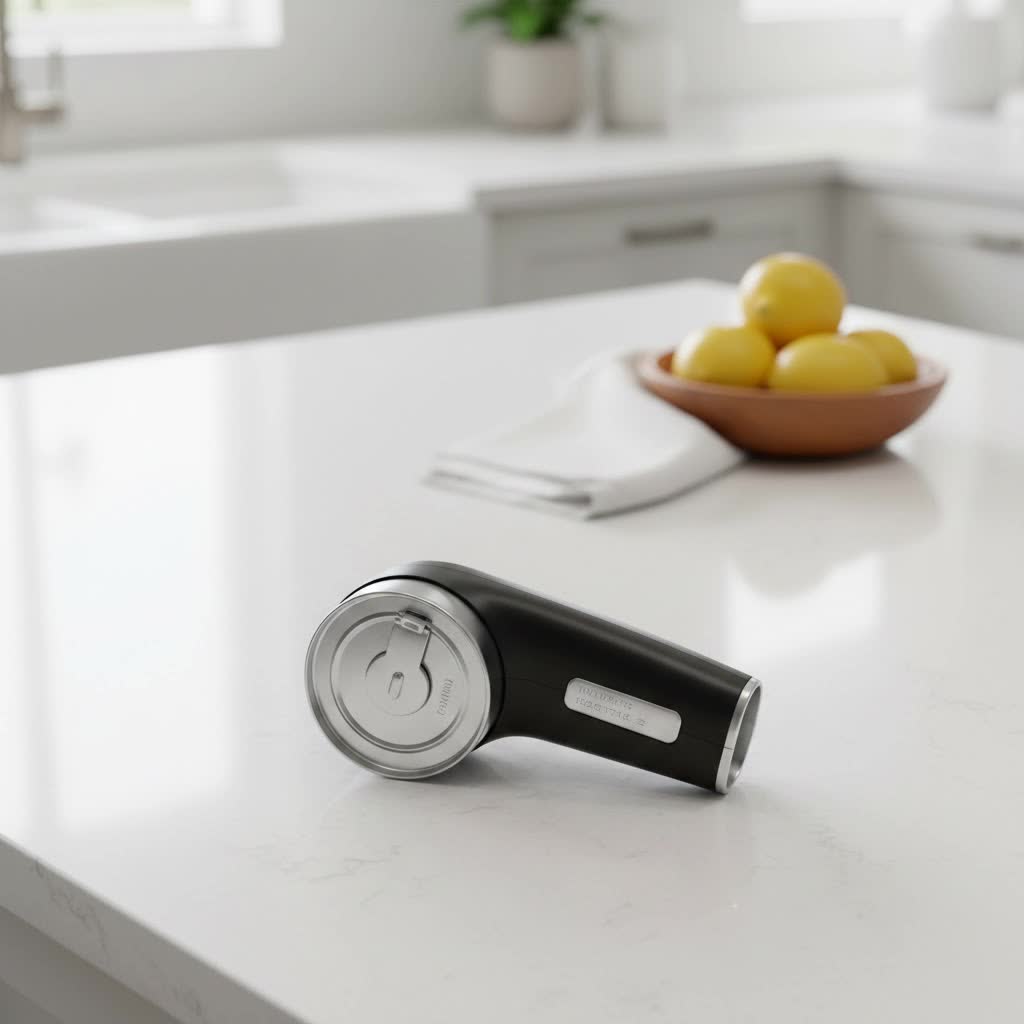
In a world increasingly dominated by smart gadgets and electric appliances, there’s a unique satisfaction in embracing the simplicity and durability of yesteryear’s tools. Among these, the retro can opener stands out, offering a blend of nostalgic design, robust performance, and a delightful connection to culinary traditions. Whether you’re a seasoned chef, a collector of vintage kitchenware, or simply seeking a reliable alternative to modern complexities, diving into the world of retro can openers can be a truly rewarding experience. This guide will explore the enduring appeal of these classic tools, detail the various types, and help you select the perfect one to suit your kitchen and lifestyle.
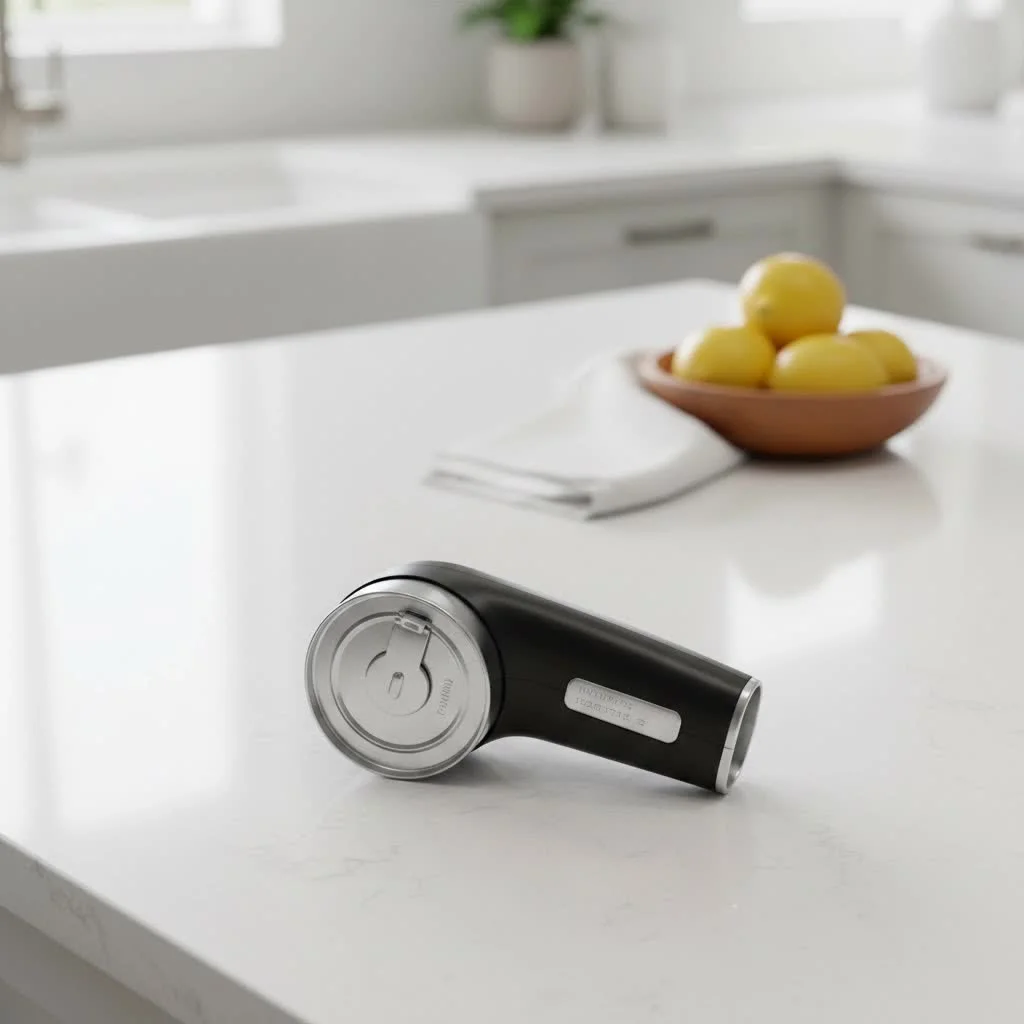
Unpacking the Enduring Appeal of Retro Can Openers
The allure of retro can openers goes beyond mere functionality; it’s deeply rooted in their aesthetic, durability, and a sense of history. Many enthusiasts are drawn to the classic lines, solid construction, and often vibrant colors that evoke a bygone era. These tools are often praised for being “built to last,” a stark contrast to some contemporary gadgets that prioritize disposability over longevity. Owning a retro can opener is not just about opening cans; it’s about appreciating craftsmanship, embracing sustainable practices by choosing reusable items, and adding a touch of vintage character to your kitchen decor. For complete reviews library on this site.
Types of Retro Can Openers
Over the decades, can openers have evolved, but several classic designs have remained popular or are now sought after for their vintage charm. Understanding the different types will help you appreciate their unique mechanics and choose the one best suited for your needs.
Traditional Hand-Crank (Rotary/Butterfly Style)
This is arguably the most recognizable “old-fashioned” can opener. It typically features two handles that clamp onto the can’s rim, with a rotating cutting wheel engaged by a crank handle. As you turn the handle, the wheel cuts along the top of the can. Many iconic models like the Swing-A-Way and EZ-Duz-It fall into this category.
- Description: Consists of two handles, a gripping mechanism, a sharp cutting wheel, and a rotating crank. It clamps onto the can and cuts the lid from the top.
- Pros: Generally reliable and widely understood. Many vintage models were built with robust metal parts, ensuring long-term durability. They offer good control over the cutting process.
- Cons: These openers often leave a sharp, jagged edge on the can and lid, requiring careful handling. They demand manual effort and can be challenging for those with limited hand strength or arthritis.
Punch/Lever Style (Church Key, P-38/P-51)
|
Our Picks for the Best Can Opener in 2026
As an Amazon Associate I earn from qualifying purchases.
|
||
| Num | Product | Action |
|---|---|---|
| 1 | OXO Good Grips Smooth Edge Can Opener |

|
| 2 | Zulay Kitchen Heavy Duty Stainless Steel Can Opener Manual with Bottle Opener - Rust Proof Manual Can Opener With Turn Knob & Comfy Soft Grip Handles - Black |
|
| 3 | KitchenAid Classic Multifunction Can Opener and Bottle Opener Easy to Use, Razor Sharp Stainless Steel Cutting Wheel, Soft Ergonomic Handles, Pistachio |
|
| 4 | MARSWELL Hand Crank Can Opener Manual Heavy Duty, Commercial Can Openers with Ergonomic Rubber Coated Extra-Long Handles, Oversized Knob, Large Can Opener for Big Cans, Black |
|
| 5 | GORILLA GRIP Heavy Duty Stainless Steel Smooth Edge Manual Can Opener, Soft Comfortable Handle, Large Handheld Turn Knob, Built-In Bottle Openers, US Designed, Holiday Prep Kitchen Essential, Black |
|
| 6 | Beneno Heavy Duty Hand Can Opener Manual with Magnet, Durable Sharp Carbon Steel Blade Smooth Cutting, Big Effort-Saving Knob & Soft Grip Handle, Multifunctional Kitchen Tool with Bottle Opener, Green |
|
| 7 | Beneno Can Opener, Manual Side Safe Cut Can Opener Smooth Edge with Durable Sharp Blade, Effort-Saving Knob & Comfortable Non-slip Handle, Brown |
|
| 8 | Good Cook Can Opener, Safe Cut Manual Can Opener, no Sharp Can Edges, Black |
|
| 9 | KitchenAid Classic Multifunction Can Opener and Bottle Opener Easy to Use, Razor Sharp Stainless Steel Cutting Wheel, Soft Ergonomic Handles, Empire Red |
|
| 10 | Commercial Can Opener, UHIYEE Hand Crank Can Opener Manual Heavy Duty with Comfortable Extra-long Handles, Oversized Knob, Large Handheld Can Open Easy for Big Cans, Black |
|
Before the advent of modern can openers, simpler punch-style tools were common, especially for opening beverage cans. The “Church Key” is a classic example for bottle caps and early flat-top beer cans, while military versions like the P-38 and P-51 are legendary for their compact, indestructible design.
- Description: These are simple, often single-piece metal tools. They work by piercing the can’s lid and then leveraging the metal to cut around the edge.
- Pros: Extremely compact, lightweight, and virtually indestructible. Many are multi-functional, doubling as bottle openers. The P-38 and P-51 are celebrated for their portability and military-grade toughness.
- Cons: Requires a specific technique and more manual dexterity. They are typically slower for opening food cans and create rough edges. Not ideal for very large cans.
Wall-Mounted Can Openers
Popular in mid-century kitchens, wall-mounted can openers offered convenience and a dedicated space for this essential tool. Brands like Swing-A-Way produced many durable and stylish models.
- Description: Permanently affixed to a wall or under a cabinet, these openers feature a sturdy lever mechanism to hold the can and a crank for cutting.
- Pros: Provides excellent leverage and stability, making it easier to open cans, especially for those with less hand strength. Frees up drawer space.
- Cons: Not portable and requires a fixed installation point. The design might not fit all modern kitchen aesthetics. They still typically produce a sharp lid edge.
Early/Primitive Designs
While less practical for daily use today, earlier can opener designs from the 19th century were often simpler, knife-like tools that required significant effort and skill to operate. These are mostly collector’s items now.
- Description: Ranging from simple blades with handles to more elaborate piercing and prying tools, these were the precursors to the rotary designs.
- Pros: Hold significant historical value for collectors of antique kitchenalia.
- Cons: Generally difficult and dangerous to use by modern standards, leaving very sharp and uneven edges.
Factors to Consider When Choosing a Retro Can Opener
Selecting the ideal retro can opener involves balancing functionality, aesthetics, and practical considerations.
- Material and Build Quality: Look for models made from durable materials such as stainless steel, cast iron, or heavy-duty chrome-plated steel. Many vintage openers also feature charming wooden or Bakelite handles. Solid construction often indicates longevity.
- Ease of Use and Ergonomics: While “retro” can imply more manual effort, some vintage designs were quite ergonomic. Consider handle comfort, the smoothness of the cranking mechanism, and whether it suits your hand strength. Some modern “retro-styled” openers incorporate improved ergonomics.
- Safety Features: Most true retro can openers, especially the traditional hand-crank types, will leave a sharp edge on the can and lid. Always handle them with care. If smooth edges are a priority, you might opt for a modern “safety” side-cutting opener that looks retro, or learn specific techniques for handling sharp lids.
- Maintenance and Care: Older steel and iron models may be prone to rust if not properly cleaned and dried after use. Regular cleaning and occasional lubrication of moving parts can extend their life.
- Aesthetics and Design: The visual appeal is a major draw for retro items. Do you prefer the sleek chrome of the mid-century, the rugged utility of a military-style opener, or the classic charm of wood handles? Choose a design that complements your kitchen’s style.
- Price and Availability: True vintage models can be found in antique shops, flea markets, and online marketplaces like eBay or Etsy. Their prices vary widely based on rarity, condition, and brand. Many companies also produce new can openers with a deliberate retro aesthetic, offering modern reliability with classic looks.
Comparing Common Retro Can Opener Types
Here’s a quick comparison of the most popular retro can opener types:
| Feature | Traditional Hand-Crank | Punch/Lever Style | Wall-Mounted Can Opener |
|---|---|---|---|
| Ease of Use | Moderate effort | High (for specific cans) | Easy, excellent leverage |
| Safety | Sharp lid edge | Requires technique | Sharp lid edge |
| Portability | High | Very High (pocket-sized) | None |
| Durability | High (good quality models) | Very High | Very High |
| Aesthetic | Classic kitchen staple | Utilitarian, military/camp | Mid-century charm |
Tips for Using and Maintaining Your Retro Can Opener
To ensure your retro can opener serves you well for years to come, here are some essential tips:
- Proper Alignment: For hand-crank models, always ensure the cutting wheel and gear are properly aligned with the can’s rim before you start turning. A firm, steady grip will prevent slips.
- Safe Handling: Be mindful that many retro can openers create sharp edges. Always remove lids carefully and dispose of them safely. Some users recommend using a magnet to lift the lid without touching it.
- Cleanliness is Key: Wash your can opener promptly after each use, especially if it comes into contact with acidic foods. Dry it thoroughly to prevent rust, particularly if it’s made of older steel or cast iron.
- Storage: Store your can opener in a dry place. For wall-mounted units, occasionally wipe down the exposed parts.
- Lubrication (for some models): If your hand-crank opener feels stiff, a tiny drop of food-grade mineral oil on the moving parts can sometimes restore its smooth operation.
Where to Find Your Perfect Retro Can Opener
The hunt for a retro can opener can be part of the fun!
- Antique Shops and Flea Markets: These are treasure troves for genuine vintage pieces. You might stumble upon an original Edlund or Swing-A-Way in excellent condition.
- Online Marketplaces: Websites like eBay and Etsy have extensive listings for antique and vintage can openers. You can often find specific brands or eras.
- Specialty Kitchenware Stores: Many contemporary brands now offer can openers with a distinct retro aesthetic, combining classic looks with modern materials and features (like smooth-edge cutting).
- Thrift Stores: Patience can pay off at thrift stores, where you might discover a durable, old-school can opener for a bargain.
Conclusion
Embracing a retro can opener means choosing a tool that values simplicity, durability, and a connection to the past. Whether you prioritize a classic hand-crank for its reliability, a punch-style opener for its portability, or a wall-mounted unit for its robust leverage, there’s a timeless charm in each design. By understanding their unique characteristics and caring for them properly, your retro can opener can become a cherished kitchen companion for generations. Why settle for fleeting trends when you can enjoy the enduring quality of a tool with a story to tell?
Frequently Asked Questions
Are retro can openers safe to use?
Many traditional retro can openers cut along the top of the can, leaving a sharp edge on both the lid and the can. While functional, caution is advised. Modern “safety” can openers that cut along the side were developed to address this concern.
How do I clean a vintage can opener?
After each use, wash your retro can opener with warm, soapy water and dry it immediately and thoroughly, especially if it’s made of steel or cast iron, to prevent rust. Avoid leaving it to air dry or soaking it.
Can retro can openers open all can sizes?
Most standard hand-crank and wall-mounted retro can openers are designed to handle a wide range of common can sizes. Smaller punch-style openers like the P-38 are best suited for smaller cans or specific purposes like beverage cans.
What materials are common in old can openers?
You’ll often find retro can openers made from durable materials like stainless steel, chrome-plated steel, cast iron, and sometimes aluminum. Handles frequently feature wood, Bakelite, or sturdy plastics.
Are vintage can openers better than modern ones?
“Better” is subjective. Vintage can openers are often praised for their robust construction and longevity. However, modern can openers, especially “safety” side-cutting models, often offer smoother edges and ergonomic benefits, which can be seen as an improvement in safety and comfort.
Get our weekly buyer guide
Practical specs, not advice. Unsubscribe anytime.
