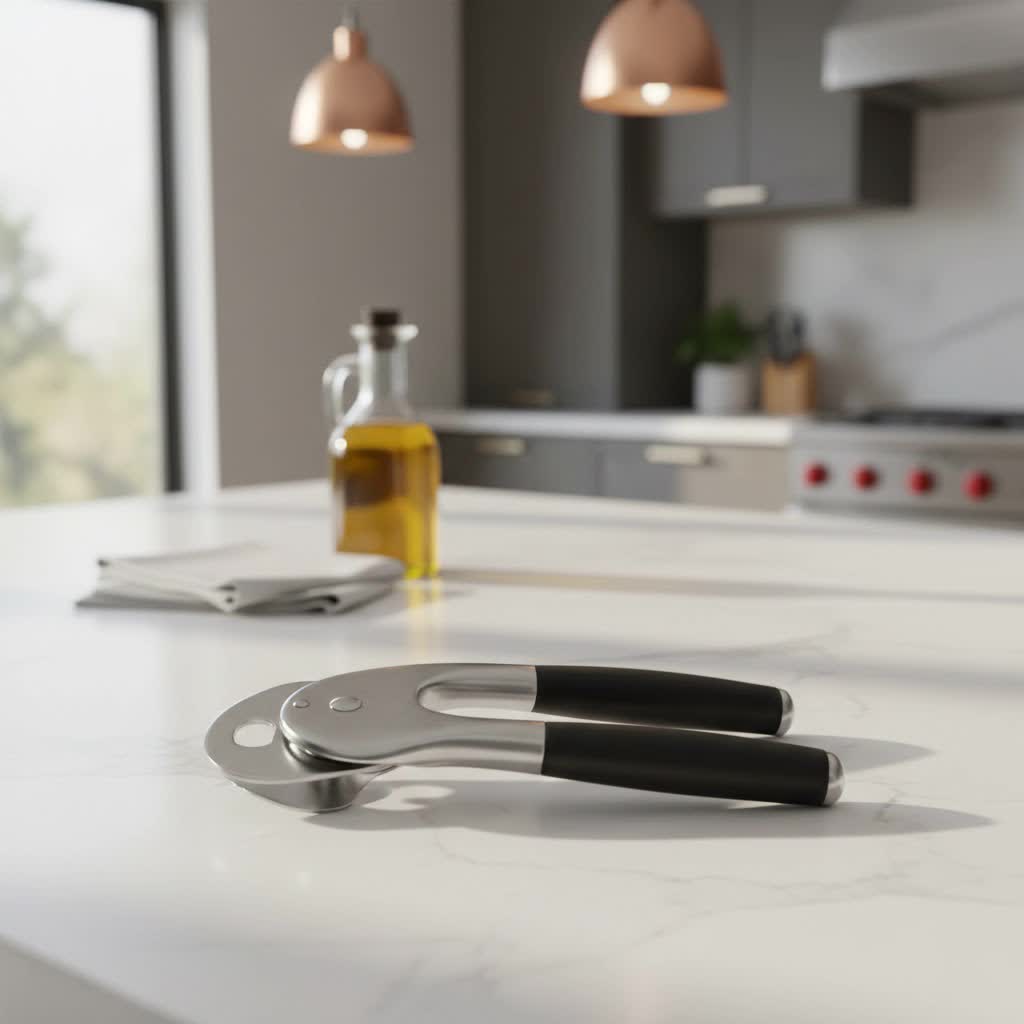
There’s a universally frustrating kitchen moment: standing over a can, ready to whip up a delicious meal, only to grapple with a manual can opener that slips, jams, or leaves behind dangerously jagged edges. You’re not alone in wishing for a simpler solution. Enter the automatic can opener – a modern kitchen marvel designed to transform this mundane task into a seamless, effortless experience. Whether you struggle with hand strength, frequently open cans, or simply crave a safer, more efficient kitchen, an auto can opener can be a game-changer. This comprehensive guide will walk you through everything you need to know, from understanding different types to picking the perfect model for your home.
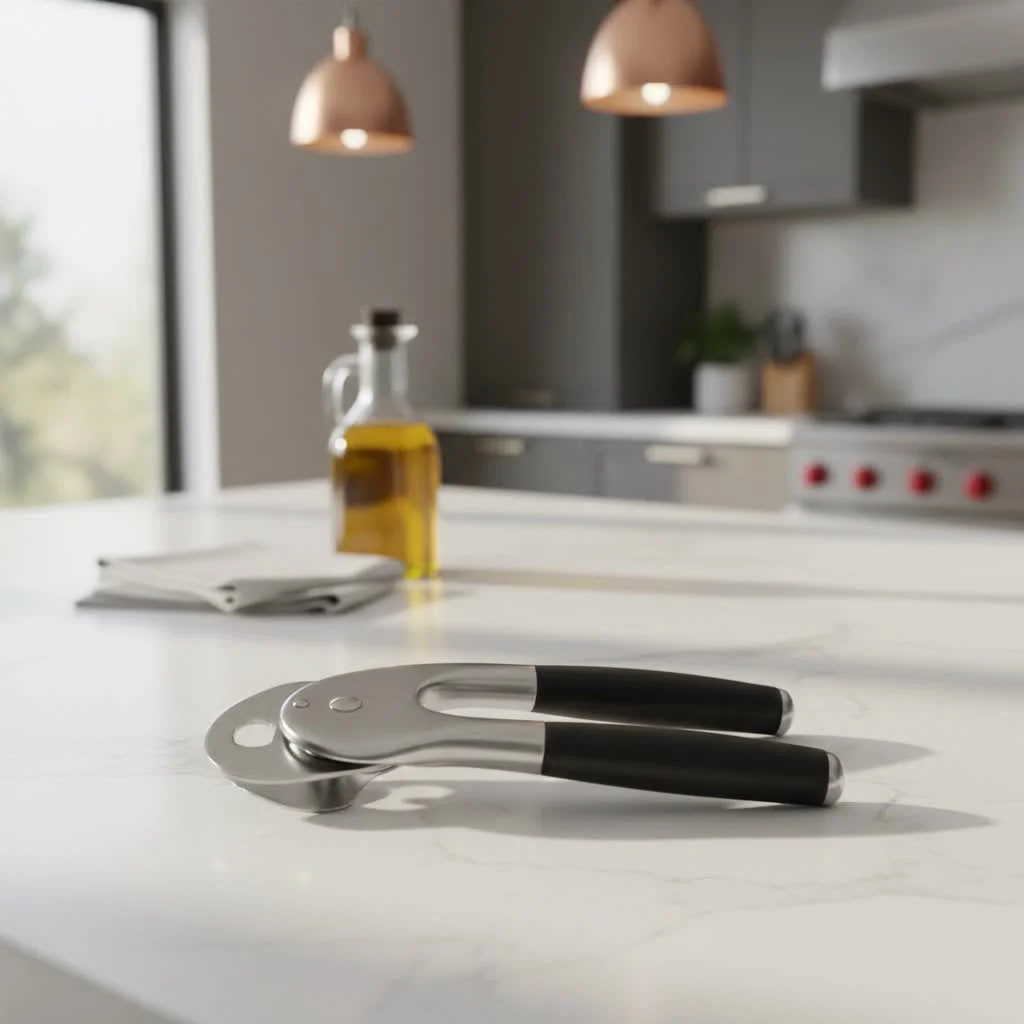
Understanding the World of Automatic Can Openers
Automatic can openers, often referred to as electric can openers, bring a new level of convenience and safety to your kitchen. They eliminate the physical strain and risk associated with traditional manual openers, making them an indispensable tool for many.
Types of Automatic Can Openers
The market primarily offers two main styles of automatic can openers, each with distinct advantages suited to different kitchen needs and user preferences.
-
Electric Countertop Can Openers
These stationary units are designed to reside on your kitchen counter, typically plugging into an electrical outlet. They often feature a sturdy base and a lever mechanism that holds the can securely in place as it cuts. Countertop models are known for their power and consistency, making them ideal for households that frequently open many cans, including larger or heavier ones. They are also an excellent choice for individuals with limited hand mobility, as they require minimal effort. The main considerations for this type are the counter space they occupy and the need for an available power source. -
Handheld Automatic Can Openers
Offering superior portability, handheld automatic can openers are usually battery-operated. These compact devices “walk” around the rim of the can with a simple press of a button, making them easy to store in a drawer and ideal for smaller kitchens, RVs, or even outdoor use where outlets are scarce. Many handheld models are praised for their side-cutting mechanism, which we’ll discuss next, as it often produces a smooth, safe edge. However, users should be mindful of battery life and ensure the opener is properly aligned to prevent spills, especially with very full or liquid-heavy cans.
How Automatic Can Openers Work: Top-Cut vs. Side-Cut
The method an automatic can opener uses to remove a lid significantly impacts the safety and usability of the opened can.
-
Top-Cut Mechanism
Traditional can openers, and some electric models, employ a top-cut mechanism. This involves puncturing the top of the can’s lid and then rotating to cut just inside the rim. While effective, this method often leaves behind a sharp, jagged edge on both the lid and the can. This can pose a safety hazard, increasing the risk of cuts during food preparation or disposal. Additionally, the cut lid can sometimes fall into the food. -
Side-Cut (Smooth-Edge) Mechanism
Increasingly popular, the side-cut mechanism is a hallmark of many advanced automatic can openers. Instead of cutting through the top, these openers clamp onto the can’s side and cut below the rim, effectively unsealing the top from the body of the can. The result is a remarkably smooth, safe edge on both the can and the lid, eliminating sharp risks. A significant benefit is that the removed lid can often be inverted and placed back on the can as a temporary cover, a handy feature for storing leftovers. This method also minimizes contact between the cutting blade and the food, promoting better hygiene.
Your Ultimate Guide to Choosing the Best Auto Can Opener
Selecting the right automatic can opener involves weighing various factors against your personal needs and kitchen habits.
Key Factors to Consider When Buying an Auto Can Opener
|
Our Picks for the Best Can Opener in 2026
As an Amazon Associate I earn from qualifying purchases.
|
||
| Num | Product | Action |
|---|---|---|
| 1 | MARSWELL Hand Crank Can Opener Manual Heavy Duty, Commercial Can Openers with Ergonomic Rubber Coated Extra-Long Handles, Oversized Knob, Large Can Opener for Big Cans, Black |

|
| 2 | KitchenAid Classic Multifunction Can Opener and Bottle Opener Easy to Use, Razor Sharp Stainless Steel Cutting Wheel, Soft Ergonomic Handles, Empire Red |
|
| 3 | OXO Good Grips Smooth Edge Can Opener |
|
| 4 | GORILLA GRIP Heavy Duty Stainless Steel Smooth Edge Manual Can Opener, Soft Comfortable Handle, Large Handheld Turn Knob, Built-In Bottle Openers, US Designed, Holiday Prep Kitchen Essential, Black |
|
| 5 | Zulay Kitchen Heavy Duty Stainless Steel Can Opener Manual with Bottle Opener - Rust Proof Manual Can Opener With Turn Knob & Comfy Soft Grip Handles - Black |
|
| 6 | Beneno Heavy Duty Hand Can Opener Manual with Magnet, Durable Sharp Carbon Steel Blade Smooth Cutting, Big Effort-Saving Knob & Soft Grip Handle, Multifunctional Kitchen Tool with Bottle Opener, Green |
|
| 7 | Good Cook Can Opener, Safe Cut Manual Can Opener, no Sharp Can Edges, Black |
|
| 8 | Commercial Can Opener, UHIYEE Hand Crank Can Opener Manual Heavy Duty with Comfortable Extra-long Handles, Oversized Knob, Large Handheld Can Open Easy for Big Cans, Black |
|
| 9 | Beneno Can Opener, Manual Side Safe Cut Can Opener Smooth Edge with Durable Sharp Blade, Effort-Saving Knob & Comfortable Non-slip Handle, Brown |
|
| 10 | KitchenAid Classic Multifunction Can Opener and Bottle Opener Easy to Use, Razor Sharp Stainless Steel Cutting Wheel, Soft Ergonomic Handles, Pistachio |
|
Making an informed decision ensures you choose a tool that will serve you well for years to come.
-
Ease of Use
For many, the primary reason to choose an automatic can opener is ease. Look for models with one-touch operation, where a single press of a button initiates the cutting process. An ergonomic design ensures a comfortable grip for handheld models, while countertop versions should have an intuitive lever system. Features like automatic shut-off and a built-in magnetic lid lifter further enhance user convenience by safely detaching the lid without you having to touch it. -
Safety Features
Safety is paramount in any kitchen tool. Prioritize models that offer a smooth-edge cutting mechanism (side-cut) to eliminate sharp edges, which significantly reduces the risk of accidental cuts. For countertop models, a sturdy, non-slip base is crucial to prevent tipping during operation, especially when opening heavier cans. -
Durability and Material
A can opener is an investment in your kitchen’s efficiency. Opt for models constructed with high-quality materials, such as stainless steel for blades and gears, which resist rust and ensure longevity. Reading user reviews can provide valuable insights into a product’s long-term reliability and how it stands up to regular use. -
Versatility
Consider the variety of cans you typically open. While most automatic can openers handle standard sizes, some excel at opening unusually shaped, very small, or extra-large cans (like a #10 can). If you often encounter dented cans, some high-performance models are better equipped to handle them without stalling. -
Power Source & Portability
Decide between a corded (AC powered) countertop model or a battery-operated handheld unit. Corded models are always ready to go and often more powerful, but they are fixed to an outlet and take up counter space. Battery-operated units offer portability and are great for small spaces or travel, but you’ll need to keep spare batteries on hand or ensure they are regularly recharged. -
Cleaning and Maintenance
Hygiene is important. Look for can openers with removable cutting mechanisms or blades, as these are much easier to clean thoroughly, preventing food buildup and potential contamination. For models where parts aren’t removable, ensure the design allows for easy wiping and access to crevices for a proper clean. -
Price and Value
Automatic can openers come in a range of price points, from budget-friendly options to premium models with advanced features. While it’s tempting to go for the cheapest option, consider the balance between cost and the features, durability, and performance you receive. Sometimes, spending a little more upfront can save you frustration and replacement costs in the long run.
> “The true value of an automatic can opener isn’t just in its ability to open a can; it’s in the effortless, safe experience it provides, especially for those who cherish convenience or require assistance due to physical limitations.” – Maria Sanchez, Culinary Ergonomics Specialist.
Comparison Table: Automatic Can Opener Types
To help you visualize the differences, here’s a quick comparison of the two main types:
| Feature | Electric Countertop Can Opener | Handheld Automatic Can Opener |
|---|---|---|
| Power Source | Corded (AC) | Battery-operated |
| Portability | Stationary (Countertop) | Highly Portable |
| Effort Required | Minimal to None | Minimal |
| Space | Takes Counter Space | Compact, stores in drawer |
| Common Cut Type | Both top-cut & side-cut | Mostly side-cut |
| Ideal For | Frequent use, large cans, limited hand strength, stable operation | Small kitchens, travel, camping, smooth edges, quick tasks |
Where to Purchase Your Automatic Can Opener
Once you’ve narrowed down your preferences, finding your ideal auto can opener is straightforward. You can typically purchase them at:
- Specialty kitchenware stores: These stores often have knowledgeable staff who can offer personalized recommendations and demonstrations.
- Large retail chains: Stores like Walmart or Target offer a wide selection of brands and price points, making comparison shopping easy.
- Online marketplaces: Websites such as Amazon, Best Buy, or the manufacturers’ own sites provide an extensive range, often with customer reviews and detailed product specifications to aid your decision.
Expert Tips for Using and Maintaining Your Auto Can Opener
To ensure your automatic can opener remains a reliable kitchen companion, proper usage and maintenance are key.
- Proper Placement and Alignment: For countertop models, always place them on a stable, flat surface to prevent wobbling or tipping. When using a handheld opener, ensure it’s correctly aligned with the can’s rim before activating to achieve a clean cut and prevent spills.
- Cleaning After Each Use: Food residue can accumulate on the cutting mechanism, leading to dullness or rust over time. Make it a habit to wipe the blade and surrounding area with a damp cloth immediately after each use.
- Deep Cleaning: If your model has removable parts, carefully disassemble them and wash with warm, soapy water or a vinegar solution. For fixed parts, use a small brush or cotton swab to clean hard-to-reach areas. Always ensure all components are completely dry before reassembling or storing to prevent moisture-related damage.
- Battery Management (for handheld models): Use fresh, high-quality batteries and replace them as soon as you notice a decrease in performance. For rechargeable models, follow the manufacturer’s charging guidelines to maximize battery life.
- Storage: Store your automatic can opener in a dry place to prevent rust. Handheld models fit neatly in a drawer, while countertop units should have a designated spot.
- Blade Sharpening (if applicable): While most automatic can opener blades are designed for long-term sharpness, some users find that running a folded piece of aluminum foil through the cutting mechanism a few times can help maintain the blade’s edge. If performance significantly declines, it might be time to consider a replacement or professional servicing if available.
Conclusion: Embrace Effortless Can Opening
An automatic can opener is more than just a kitchen gadget; it’s an enhancement to your culinary experience, offering convenience, safety, and accessibility. By understanding the different types, considering crucial factors like ease of use and safety, and committing to simple maintenance, you can select a tool that perfectly aligns with your lifestyle. Whether you prioritize a sleek countertop staple or a portable handheld wonder, upgrading to an auto can opener will undoubtedly streamline your meal prep and bring a touch of modern efficiency to your kitchen.
Ready to say goodbye to struggling with cans? Upgrade your kitchen experience today and enjoy the ease an automatic can opener brings! Which automatic can opener feature matters most to you in your daily kitchen routine?
Frequently Asked Questions
Are automatic can openers good for people with arthritis?
Yes, automatic can openers are often highly recommended for individuals with arthritis or limited hand strength, as they eliminate the need for manual twisting or squeezing. Many models require only a simple button press to operate, with ergonomic designs that minimize strain on joints and wrists.
Do automatic can openers leave smooth edges?
Many modern automatic can openers, particularly those utilizing a side-cut mechanism, are specifically engineered to cut along the can’s side, just below the rim. This advanced method effectively unseals the lid and ensures a smooth, safe edge on both the can and the lid, significantly reducing the risk of cuts.
How do I clean my electric can opener?
For most electric can openers, it’s best practice to wipe down the cutting mechanism and the body with a damp cloth immediately after each use. Some models offer removable cutting levers or blades that can be safely washed separately with soap and water, or even soaked in a vinegar solution for a deeper clean. Always ensure all parts are completely dry before reassembling or storing to prevent rust and maintain hygiene.
Can an automatic can opener open all can sizes?
While the majority of automatic can openers effortlessly handle standard can sizes, their capability to open very small, unusually shaped, or exceptionally large cans (such as a #10 size) can vary significantly between models. If your kitchen frequently uses non-standard can dimensions, it’s advisable to carefully check product specifications and user reviews to ensure compatibility.
What’s the difference between a top-cut and side-cut electric can opener?
A top-cut electric can opener punctures the lid and makes a cut just inside the rim, which can leave a sharp, exposed edge. In contrast, a side-cut electric can opener operates by cutting below the can’s rim, unsealing the top and creating a smooth, safe edge on both the lid and the can itself. Side-cut models are generally favored for their enhanced safety features and cleaner results.
Get our weekly buyer guide
Practical specs, not advice. Unsubscribe anytime.
