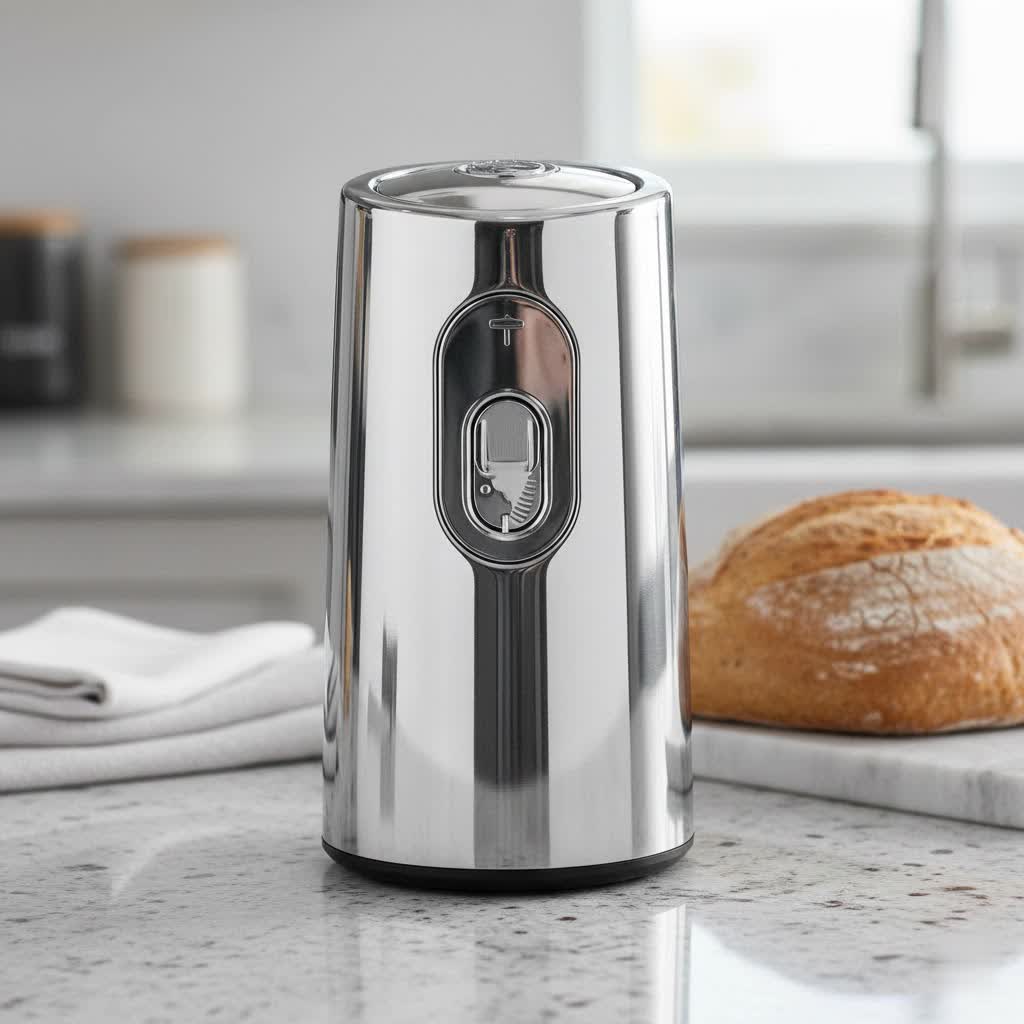
Navigating the world of kitchen gadgets can be daunting, but few tools are as essential yet overlooked as the humble can opener. This small device saves us time and effort daily, transforming meal prep from a struggle to a smooth process. Whether you’re a culinary enthusiast or someone who simply needs to get dinner on the table, finding the right can opener is crucial for safety, efficiency, and comfort. This comprehensive guide will equip you with the knowledge to select the best can opener for your kitchen, covering everything from diverse types to key buying considerations and maintenance tips.
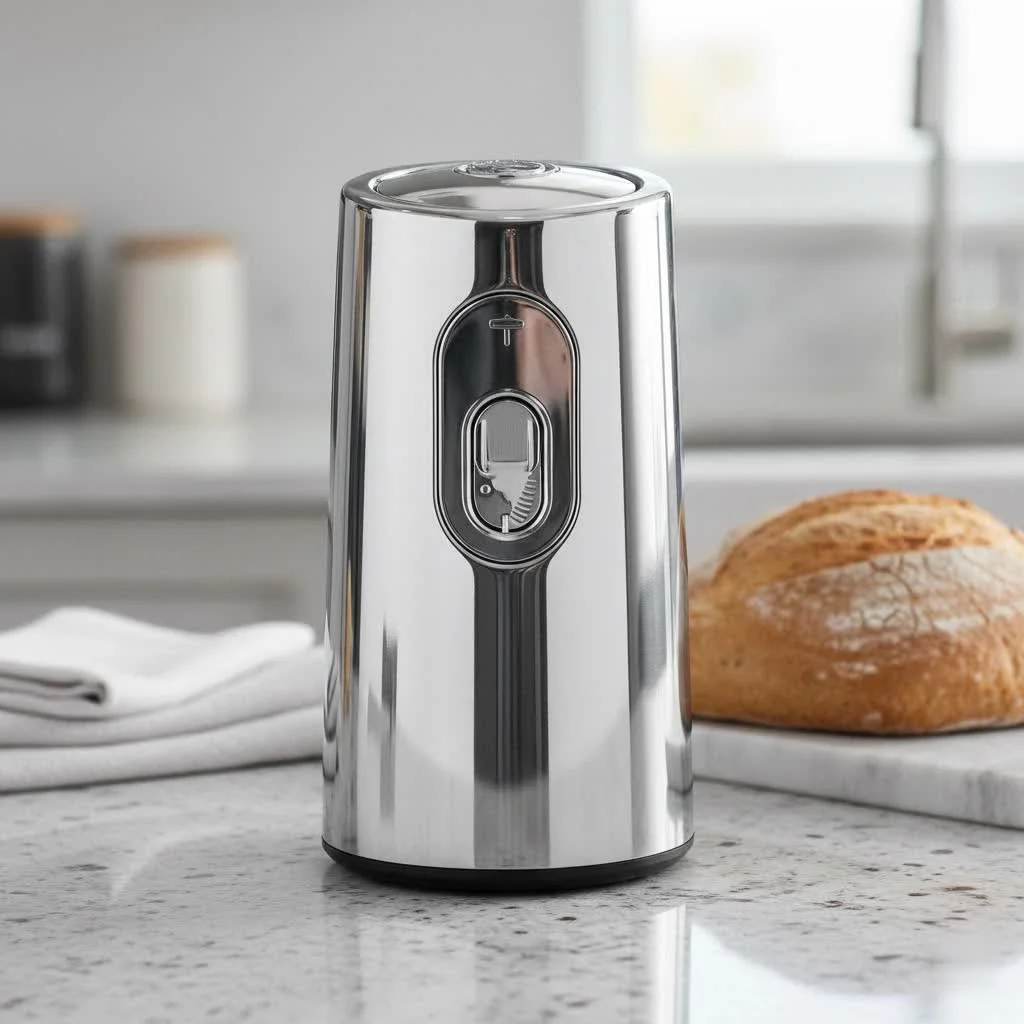
Your Guide to Selecting the Best Can Opener
A great can opener can significantly enhance your kitchen experience, making quick work of sealed cans and often doubling up to tackle other common kitchen tasks like opening bottles. Understanding the variety available and what makes each type unique is the first step in finding your ideal match.
Popular Can Opener Types
The evolution of the can opener has led to a range of designs, each offering distinct advantages. From classic manual models to advanced electric versions, there’s a can opener tailored for every need and preference.
- Traditional Handheld Can Opener: These are the most common and recognizable can openers. They feature two handles, a cutting wheel, and a gear that grips the can’s rim. You squeeze the handles onto the can and turn a crank to rotate the cutting wheel, slicing through the lid. They are generally affordable, compact, and reliable, often incorporating a simple bottle opener on one of the handles, making them a versatile tool for both cans and bottled beverages.
- Rotary Can Opener: Often a subset of traditional handhelds, rotary can openers are characterized by a smooth turning mechanism. They typically require less grip strength than older lever-style manual openers. Many modern rotary models are designed with ergonomic handles and larger knobs for comfortable use, and frequently include a bottle opener as an integrated feature.
- Electric Can Opener: For those seeking maximum convenience or with limited hand strength, electric can openers are a game-changer. These devices automatically grip the can and cut the lid with the touch of a button, requiring minimal physical effort. They come in countertop models or battery-operated handheld versions. Some electric models also offer integrated bottle openers or even knife sharpeners, adding to their multifunctionality.
- Safety Can Opener (Side-Cutting): Unlike traditional openers that cut into the top of the lid, safety can openers cut along the side of the can, beneath the rim. This leaves a smooth, safe edge on both the can and the removed lid, significantly reducing the risk of accidental cuts. These are particularly popular for households with children or individuals concerned about sharp edges. While primarily designed for cans, some advanced models may feature additional tools.
- Multipurpose Can Opener (Church Key Style): This refers to simpler, often older designs that serve multiple functions. The “church key” is a classic example, known for its ability to puncture cans (like juice cans) and pry open bottle caps. Modern variations might combine the functions of a traditional can opener, a bottle opener, and even a jar lid gripper into a single, compact tool, appealing to those who value space-saving and versatility.
Essential Factors to Consider When Buying a Can Opener
|
Our Picks for the Best Can Opener in 2026
As an Amazon Associate I earn from qualifying purchases.
|
||
| Num | Product | Action |
|---|---|---|
| 1 | Good Cook Can Opener, Safe Cut Manual Can Opener, no Sharp Can Edges, Black |

|
| 2 | OXO Good Grips Smooth Edge Can Opener |
|
| 3 | GORILLA GRIP Heavy Duty Stainless Steel Smooth Edge Manual Can Opener, Soft Comfortable Handle, Large Handheld Turn Knob, Built-In Bottle Openers, US Designed, Holiday Prep Kitchen Essential, Black |
|
| 4 | KitchenAid Classic Multifunction Can Opener and Bottle Opener Easy to Use, Razor Sharp Stainless Steel Cutting Wheel, Soft Ergonomic Handles, Pistachio |
|
| 5 | KitchenAid Classic Multifunction Can Opener and Bottle Opener Easy to Use, Razor Sharp Stainless Steel Cutting Wheel, Soft Ergonomic Handles, Empire Red |
|
| 6 | Zulay Kitchen Heavy Duty Stainless Steel Can Opener Manual with Bottle Opener - Rust Proof Manual Can Opener With Turn Knob & Comfy Soft Grip Handles - Black |
|
| 7 | Commercial Can Opener, UHIYEE Hand Crank Can Opener Manual Heavy Duty with Comfortable Extra-long Handles, Oversized Knob, Large Handheld Can Open Easy for Big Cans, Black |
|
| 8 | Beneno Can Opener, Manual Side Safe Cut Can Opener Smooth Edge with Durable Sharp Blade, Effort-Saving Knob & Comfortable Non-slip Handle, Brown |
|
| 9 | MARSWELL Hand Crank Can Opener Manual Heavy Duty, Commercial Can Openers with Ergonomic Rubber Coated Extra-Long Handles, Oversized Knob, Large Can Opener for Big Cans, Black |
|
| 10 | Beneno Heavy Duty Hand Can Opener Manual with Magnet, Durable Sharp Carbon Steel Blade Smooth Cutting, Big Effort-Saving Knob & Soft Grip Handle, Multifunctional Kitchen Tool with Bottle Opener, Green |
|
Choosing the right can opener involves more than just picking the first one you see. Thoughtful consideration of several factors will ensure you get a durable, efficient, and safe tool that perfectly fits your kitchen habits.
- Material:
- Stainless Steel: Often found in the cutting blades and sometimes the body, stainless steel is prized for its corrosion resistance and durability. A can opener with stainless steel components is likely to withstand frequent use and resist rust, especially when exposed to acidic foods.
- High-Quality Plastic: Used for handles and certain body parts, high-grade plastic can provide a comfortable, non-slip grip. When paired with sturdy metal mechanisms, durable plastic ensures the opener remains lightweight and easy to handle without sacrificing strength.
- Durability: A can opener should be a long-term investment.
- Check User Reviews: Online reviews can offer valuable insights into a product’s longevity and common issues. Look for comments on how well the opener holds up over time and after repeated use.
- Choose Reputable Brands: Brands known for kitchenware often produce reliable can openers. Investing in a product from a trusted manufacturer typically means better quality control and customer support.
- Features: Modern can openers come with various features designed to improve user experience.
- Opens Multiple Can Types: Ensure the opener can handle standard cans, different sizes, and potentially pop-top cans if you encounter them frequently.
- Easy to Clean: Some manual can openers can be rinsed easily, while others may have removable parts for thorough cleaning. Electric models might have removable blades. Rust resistance is also a key aspect of easy maintenance.
- Smooth Edges: Safety can openers are specifically designed to leave no sharp edges, a critical feature for preventing cuts.
- Magnetic Lid Holder: Many electric and some manual models include a magnet to hold the lid after it’s cut, preventing it from falling into the can or onto the counter.
- Ergonomic Design: Soft, comfortable handles and an easy-to-turn knob (for manual models) reduce hand fatigue, making the opener user-friendly, especially for those with arthritis or limited hand strength.
- Integrated Bottle Opener: For maximum utility, many manual can openers come with a built-in bottle opener, allowing a single tool to handle both cans and capped bottles.
- Price: Can openers range widely in price, from budget-friendly manual options to more expensive electric or high-end safety models.
- Different Price Segments: Manual can openers can cost anywhere from a few dollars to twenty or thirty. Electric models typically start around $20-30 and can go higher for advanced features.
- Compare Prices Across Suppliers: Always compare prices from various retailers to ensure you’re getting the best deal for your chosen model. Remember that a slightly higher initial investment often translates to better durability and performance over time.
Comparing Popular Can Opener Styles
| Feature | Traditional Handheld (Rotary) | Safety Can Opener (Side-Cutting) | Electric Can Opener |
|---|---|---|---|
| Pros | Affordable, portable, often includes bottle opener, simple to use. | Leaves smooth edges, hygienic (doesn’t touch food), reduced injury risk. | Automatic, effortless, ideal for limited mobility, fast. |
| Cons | Can leave sharp edges, requires manual effort, may slip. | Can be more expensive, sometimes harder to position correctly, slower operation. | Requires power outlet (or batteries), takes up counter space, generally higher price. |
Where to Purchase Your Can Opener
Finding a can opener is easy, but finding the right one means knowing where to look for quality and selection.
- Home Goods Stores: Retailers specializing in kitchenware and home essentials often have a good selection of various can opener types, allowing you to physically inspect them before purchase.
- Supermarkets/Grocery Stores: Most large supermarkets carry basic to mid-range manual and sometimes electric can openers, convenient for quick purchases.
- E-commerce Websites: Online marketplaces offer the widest selection of can openers from countless brands, often at competitive prices. You can easily compare features, read extensive reviews, and find niche products.
Tips for Using and Maintaining Your Can Opener
Proper usage and regular maintenance will extend the life of your can opener and ensure it performs optimally every time.
- Clean After Each Use: Food residue can accumulate on the cutting wheel and gears, leading to rust or bacterial growth. Hand wash your manual can opener with warm, soapy water immediately after use. For electric models, follow the manufacturer’s instructions, often involving wiping down the cutting mechanism with a damp cloth (ensure it’s unplugged).
- Store in a Dry Place: Moisture is the enemy of metal. After cleaning, dry your can opener thoroughly before storing it in a drawer or on a hook. This prevents rust and keeps the mechanism moving smoothly.
- Lubricate Periodically (If Needed): For manual can openers with exposed moving parts, a tiny drop of food-grade mineral oil on the gears every few months can keep them operating smoothly. Consult the manufacturer’s guide to see if this is recommended for your specific model.
- Safe Lid Disposal: Whether you use a traditional or safety can opener, always handle removed lids with care. For traditional openers, the lid can be sharp, so it’s best to dispose of it immediately, perhaps by placing it inside the empty can before recycling.
> “A well-chosen can opener is more than just a convenience; it’s a safety tool. Investing in a model that fits your needs can prevent accidents and make everyday cooking a far more enjoyable experience.” – Chef Antoine Dubois, Culinary Equipment Specialist
Conclusion
Choosing the ideal can opener for your kitchen, whether it’s a simple manual model with an integrated bottle opener or an advanced electric version, ultimately comes down to understanding your specific needs and priorities. By considering factors like material, durability, key features such as smooth edges or magnetic lid holders, and ease of cleaning, you can make an informed decision. With the right can opener, you’ll open cans effortlessly and safely, making your time in the kitchen more efficient and enjoyable.
What features do you value most in your can opener – speed, safety, or versatility?
Frequently Asked Questions
What is the primary difference between a top-cutting and a side-cutting can opener?
A top-cutting can opener slices through the top of the can lid, often leaving a sharp edge. A side-cutting or safety can opener cuts along the side of the can, beneath the rim, creating a smooth, re-sealable edge on the can and a blunt lid, greatly enhancing safety and hygiene.
Can electric can openers also open bottles?
While many manual can openers feature an integrated bottle opener, fewer electric models include this specific function. Some electric countertop units may have a separate bottle opener attachment or a dedicated prying edge. It’s best to check the product specifications for multipurpose capabilities.
How do I clean a manual can opener to prevent rust?
After each use, wash your manual can opener with hot, soapy water, paying close attention to the cutting wheel and gears to remove food particles. Rinse it thoroughly and dry it immediately with a towel. Storing it in a dry environment further helps prevent rust.
Get our weekly buyer guide
Practical specs, not advice. Unsubscribe anytime.
